
Mortgage Rates Jump Unexpectedly After Fed Rate Cut, Defying Market Expectations


In a surprising twist that has caught many borrowers off guard, mortgage rates surged higher today immediately following the Federal Reserve’s latest rate cut. The move underscores a familiar but often misunderstood dynamic in financial markets: lower Fed policy rates don’t always translate to cheaper mortgage rates.
While many assumed the Fed’s quarter-point reduction would ease borrowing costs, the opposite occurred. The average lender reported the sharpest single-day rate increase since the day after the Fed’s previous meeting, reminding observers that the relationship between central bank policy and long-term mortgage rates is far more complicated than it appears.
A Classic Case of “Good News” Turning Bad
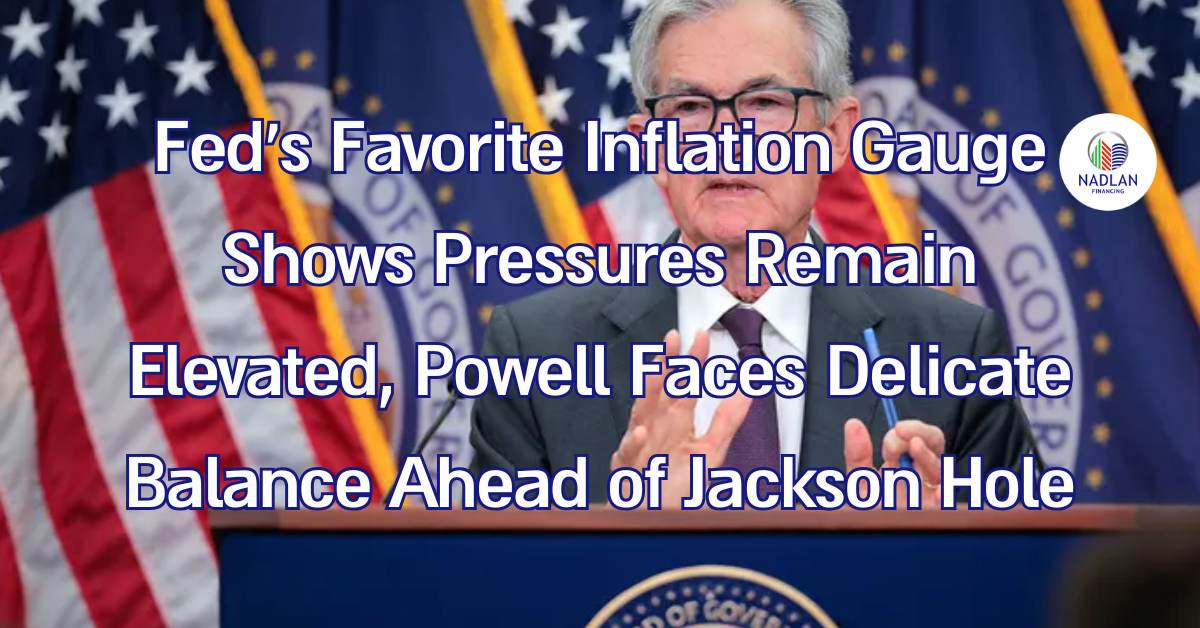
The volatility had little to do with the rate cut itself, but rather with how investors interpreted Fed Chair Jerome Powell’s comments during his post-meeting press conference. Powell struck a cautious tone, suggesting that while the central bank remains committed to supporting the economy, another rate cut in December is not guaranteed.
That one remark was enough to jolt markets. Traders who had already priced in another cut scrambled to adjust their expectations, pushing Treasury yields and mortgage rates up sharply.
“The Fed’s decision was widely expected, but the tone from Powell was more hawkish than markets anticipated,” said one bond strategist. “Essentially, investors had bet on a dovish Fed that wasn’t fully delivered, and rates reacted in real time.”
This reaction highlights a paradox that confuses many consumers: mortgage rates are influenced more by future expectations of inflation and economic growth than by the Fed’s immediate rate decisions. When markets sense that the Fed may slow or stop cutting, long-term rates often rise, even as short-term rates fall.
Why Mortgage Rates Move Differently
The Federal Reserve’s rate cuts directly affect short-term borrowing costs, such as credit cards, auto loans, and certain adjustable-rate mortgages. But fixed-rate mortgages, like the popular 30-year loan, are tied instead to long-term Treasury yields and mortgage-backed securities (MBS).
When investors think inflation will stay elevated or the economy will remain resilient, they demand higher returns on these securities pushing mortgage rates up. In contrast, if investors expect slower growth or a possible recession, yields tend to fall.
“What matters most is not what the Fed does today, but what markets think it will do next,” said another analyst. “Mortgage rates move on expectations, not the headlines.”
That’s precisely what happened today. Powell’s hesitation about future easing led markets to pull back from earlier assumptions of continued rate cuts through year-end, sparking a selloff in bonds and an upward swing in yields.
Where Rates Stand Now
Despite today’s jump, mortgage rates remain below the highs seen earlier this year, when 30-year fixed loans briefly touched the mid-7% range. After recent declines, the average rate is now roughly back to levels last seen around October 14–15, erasing much of the progress made in the days leading up to the Fed meeting.
Lenders are adjusting quickly to the shifting bond market. Some issued mid-day repricings, though the bulk of the increase will likely show up in tomorrow’s rate sheets if bond yields hold steady overnight.
Borrowers who were hoping to lock in at the week’s lows may have missed their window at least for now. Market participants are already looking ahead to economic data releases and Fed communications in November to gauge whether today’s surge represents a temporary spike or the start of a broader rebound in borrowing costs.
The Takeaway: Rate Cuts Don’t Guarantee Lower Mortgage Costs
For homeowners and prospective buyers, today’s developments serve as another reminder that Fed rate cuts and mortgage rate movements aren’t directly linked. The Fed influences overnight lending rates—the cost banks charge each other but mortgage rates respond to broader market forces like inflation expectations, bond supply and demand, and investor sentiment.
“Consumers often assume lower Fed rates mean cheaper mortgages, but that’s a myth,” said a senior mortgage advisor. “Sometimes, the opposite happens as we saw today because markets care more about what the Fed might do next than what it just did.”
For now, mortgage rates remain relatively favorable compared to much of the past year, but continued volatility is likely. With inflation data, employment reports, and additional Fed commentary still to come, borrowers should expect more fluctuations—and act quickly when opportunities to lock in lower rates arise. For direct financing consultations or mortgage options for you visit 👉 Nadlan Capital Group.






















Responses