
U S Metro Growth Faces Threat as Immigration Slows

The U.S. government is exploring the potential for initial public offerings (IPOs) of Fannie Mae and Freddie Mac, the two government-sponsored enterprises (GSEs) under federal conservatorship since 2008. Leading financial institutions like J.P. Morgan, Goldman Sachs, and Morgan Stanley have been approached to advise on this potential move, which could rank among the largest IPOs in U.S. history. This exploration aligns with President Donald Trump’s call for the GSEs to partner with large homebuilders to develop the nation’s two million empty lots and rejuvenate the housing market.
The combined IPOs could raise $30 billion or more, recapitalizing the GSEs, increasing operational flexibility, and enabling innovative mortgage products. However, analysts warn that privatization could introduce volatility, as federal backing would no longer guarantee stability, potentially affecting mortgage rates and affordability.Population growth in many U.S. metropolitan areas is facing significant challenges as immigration rates have sharply declined in 2025. Historically, immigration has been a major contributor to population expansion, particularly in large urban centers and regions outside the Sunbelt, where natural growth and domestic migration alone have often been insufficient to sustain population increases. In 2024, immigration was the leading source of population growth in nearly two-thirds of metro areas, and in roughly 40% of large metropolitan regions, it alone prevented population decline. With these inflows slowing dramatically, many cities now face stagnating or even declining populations.
The slowdown in immigration has direct implications for housing markets. Lower population growth translates into reduced household formation, which in turn decreases demand for rental units and owner-occupied homes. Regions that already experience domestic outmigration and an aging population—particularly in the Northeast, Midwest, and West—are most at risk. Slower household growth could lead to weaker housing markets, slower property value appreciation, and challenges for developers and local governments who may need to adjust construction plans, zoning policies, and infrastructure investments to align with reduced demand.
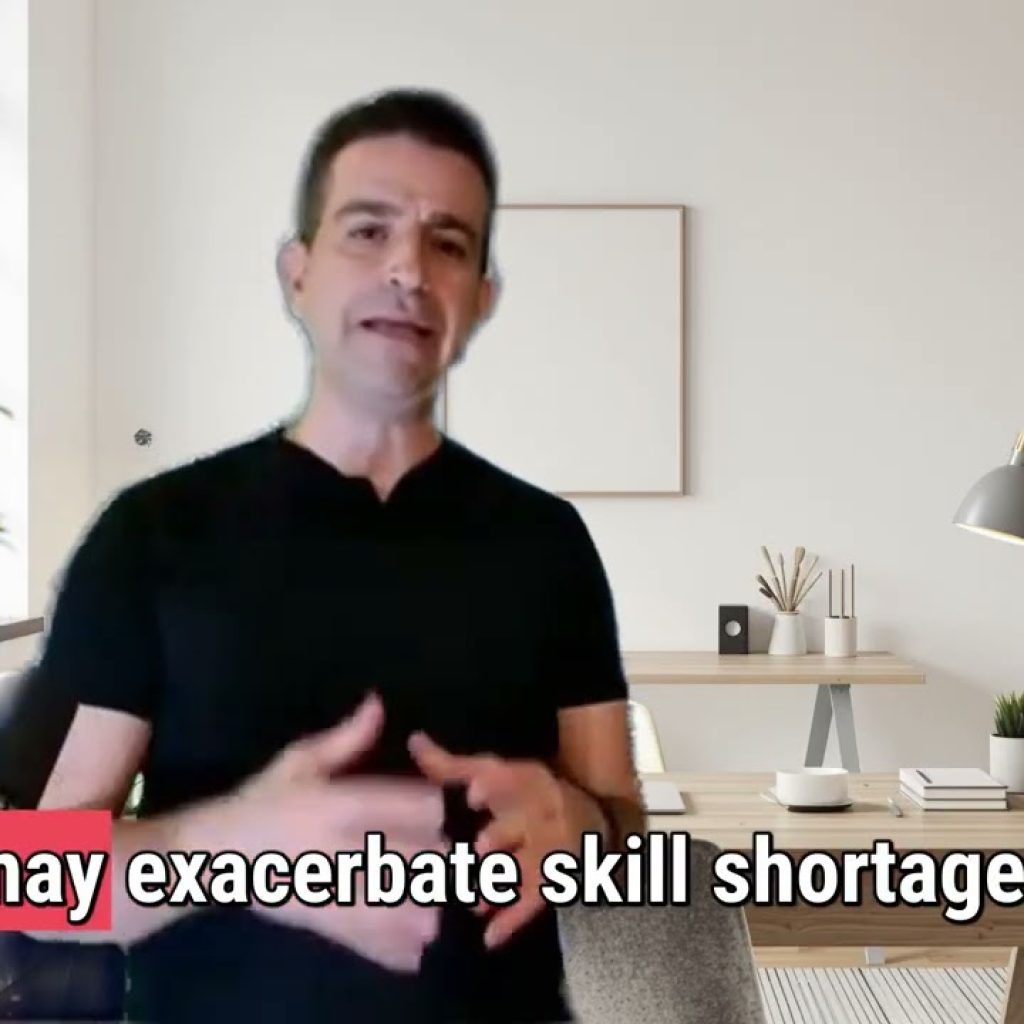
Economic and workforce impacts are also significant. Immigrants contribute disproportionately to labor markets, entrepreneurship, and innovation, filling critical roles in healthcare, technology, manufacturing, and other key sectors. A decline in immigration may exacerbate skill shortages and slow regional productivity, making it harder for businesses to attract and retain workers. This, in turn, could affect the economic vitality of cities that rely on a steady flow of international talent to support local industries. Additionally, slower household formation reduces property tax revenue, potentially constraining city budgets and limiting public services, further straining urban economies.
While Southern metros like Austin, Dallas, and Charlotte remain relatively resilient due to natural growth and domestic migration, cities in the Northeast, Midwest, and West face heightened vulnerability. The combination of aging populations, domestic outflows, and diminished international migration could lead to long-term stagnation if strategic interventions are not implemented. Policymakers, urban planners, and developers may need to focus on policies that retain existing residents, attract domestic migrants, and expand access to affordable housing to maintain economic growth and urban vitality.
Overall, the slowdown in immigration underscores a critical vulnerability for many U.S. metros: population growth can no longer be taken for granted. The ability of cities to adapt through housing policy, workforce development, and economic incentives will likely determine their success or decline over the next decade.
🔍 If you’re looking to get the best possible mortgage in the U.S. for Foreign Nationals and Americans, and want to run an auction between more than 3,000+ lenders, click here👇
Creative Financing – Nadlan Capital Financing for Foreign Nationals & Americans
Continue reading on our site:
https://www.forumnadlanusa.com/2025/10/u-s-metro-growth-faces-threat-as-immigration-slows/
#USHousing #PopulationGrowth #ImmigrationImpact #UrbanEconomy #HousingMarket

















Responses