
Apartment Rents Fall Again as Vacancies Hit Highest Level on Record

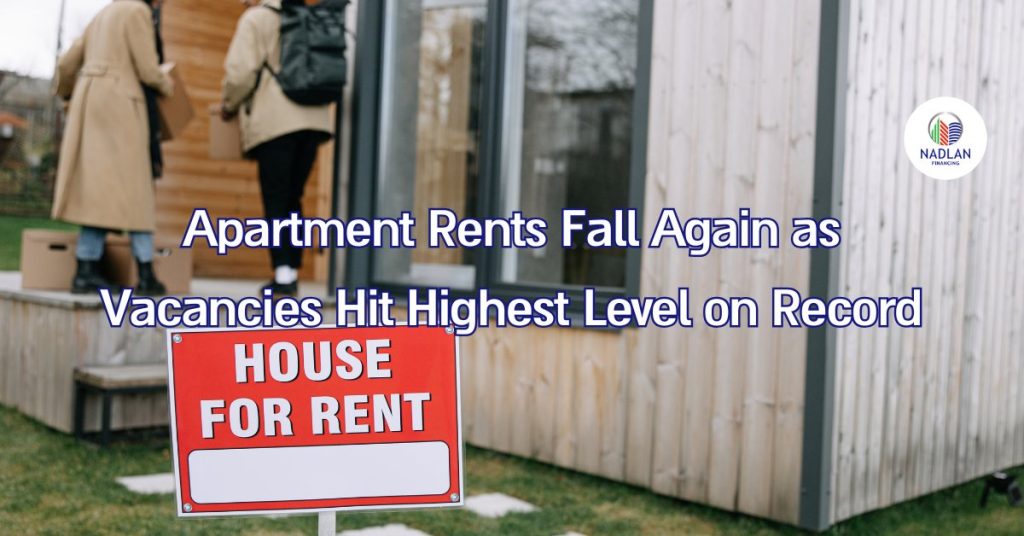
Apartment rents continued their downward slide in November as a wave of new rental units collided with cooling demand, pushing the national vacancy rate to its highest point since tracking began. According to a new report from Apartment List, the combination of elevated supply and softer household formation is reshaping the rental landscape across the country.
Vacancies Hold at 7.2% as Rents Decline Once More
Apartment List reported that the national median rent dropped 1% in November compared with October, bringing the U.S. median to $1,367. This marked the fourth straight month of declines. Rents are now:
- 1.1% lower than November 2024
- 5.2% below their 2022 peak
Meanwhile, the national multifamily vacancy rate stayed at 7.2%, matching October’s level and setting a new record for the index, which dates back to 2017.
Earlier this year, analysts expected annual rent growth to return to positive territory for the first time since mid-2023. Instead, that momentum faded over the summer and reversed, leading to a noticeable cooling in the rental market.
New Supply Meets Weaker Demand
One of the biggest drivers of falling rents is the flood of new multifamily units coming online. Even though construction has eased from pandemic-era highs, thousands of newly completed apartments are still hitting the market at a time when renter demand is slowing.
Fall is normally a soft season for apartment leasing. But this year’s decline is sharper than usual. CoStar data shows that median monthly rents recently recorded their biggest drop in 15 years.
A major factor behind weaker demand: fewer young adults are forming new households.
Grant Montgomery, CoStar’s national director of multifamily analytics, noted that 32.5% of people aged 18 to 34 now live with family, the highest share in years. Rising rental prices, a tougher job market for recent graduates, and slower wage growth are all contributing to this shift.
“Young adults are the core of rental demand,” Montgomery explained. “When that group pulls back, the market feels it quickly.”
Some Markets See Steeper Rent Drops Than Others
While rents are softening nationwide, several cities are feeling the slowdown more intensely due to local economic pressures.
Markets Seeing Faster Rent Declines Include:
- Las Vegas: Slower tourism is weakening job growth
- Boston: Lower federal funding for biotech and fewer international students
- Austin: The largest decline nationally, driven by a surge in new apartment construction
On the other hand, many renters are taking advantage of falling rents to relocate to more affordable cities.
Midwest Markets Gain Popularity With Renters
Yardi, a major property management software company, reported that Midwest cities are drawing more renter interest than ever before. The most-searched rental markets heading into 2026 are:
- Cincinnati, Ohio
- Atlanta, Georgia
- Kansas City, Missouri
Yardi’s report found that 11 of the top 30 renter demand markets are located in the Midwest—highlighting how these “hidden gems” have become attractive alternatives for renters priced out of coastal cities.
Yardi also increased its projections for new rental supply through 2026, noting that the under-construction pipeline remains sizable despite a slowdown in new starts. As a result:
- 2025 supply forecasts increased by 6.8%
- 2026 supply forecasts increased by 2.5%
This additional supply will likely keep vacancy rates elevated in the near term.
Looking Ahead: Stabilization Possible, but Risks Remain
Apartment List expects the multifamily market to gradually stabilize as construction activity slows in 2026. However, researchers caution that the supply boom still has momentum, and weakening economic conditions especially in the job market could hold demand down.
“Even with construction cooling, there is still a significant amount of new inventory set to hit the market,” Apartment List researchers said. “At the same time, job market uncertainty is shaping renter behavior in a way that could keep demand softer than normal.”
For now, renters benefit from more choices, more concessions, and lower rents. For landlords, however, the combination of high vacancies and slowing demand points to a more challenging environment as the new year approaches. For direct financing consultations or mortgage options for you visit 👉 Nadlan Capital Group.





















Responses