
Homebuyer Affordability Improves, but the Down Payment Gap Still Hurts

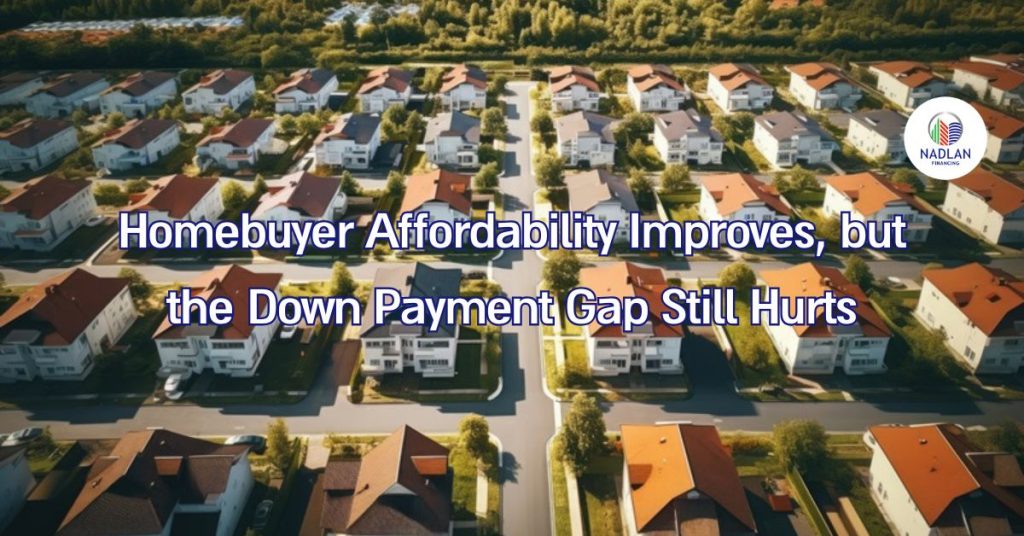
Homebuyers are finally seeing signs of relief after years of high costs. Mortgage rates are lower, home prices have cooled, and more homes are coming onto the market. These changes are helping affordability move in the right direction. Still, one major obstacle remains in the way for many buyers: saving enough cash for a down payment.
A recent report from CNBC shows that while buying conditions are better than they were a year or two ago, first-time buyers continue to struggle with upfront costs. Even with lower monthly payments, the amount of time it takes to save for a down payment is still far from normal.

Home Prices Mostly Flat, With Big Local Differences
Nationally, home prices have been mostly steady. Data from Parcl Labs shows prices are only about 0.3% higher than a year ago, after briefly turning negative earlier this month. This is a sharp slowdown compared to the rapid growth seen during the pandemic years.
The latest S&P Dow Jones Indices Case-Shiller index also highlights how uneven the market has become. Cities like Chicago, New York, and Cleveland posted the strongest gains, while prices fell in places such as Tampa, Phoenix, and Dallas. In several large metros, buyers now have more negotiating power than they did just a year ago.
Because home prices are rising more slowly than overall inflation, real home values have actually slipped slightly over the past year. That means homes are not getting more expensive in inflation-adjusted terms, which helps affordability on paper.
Lower Mortgage Rates Are Helping Monthly Costs
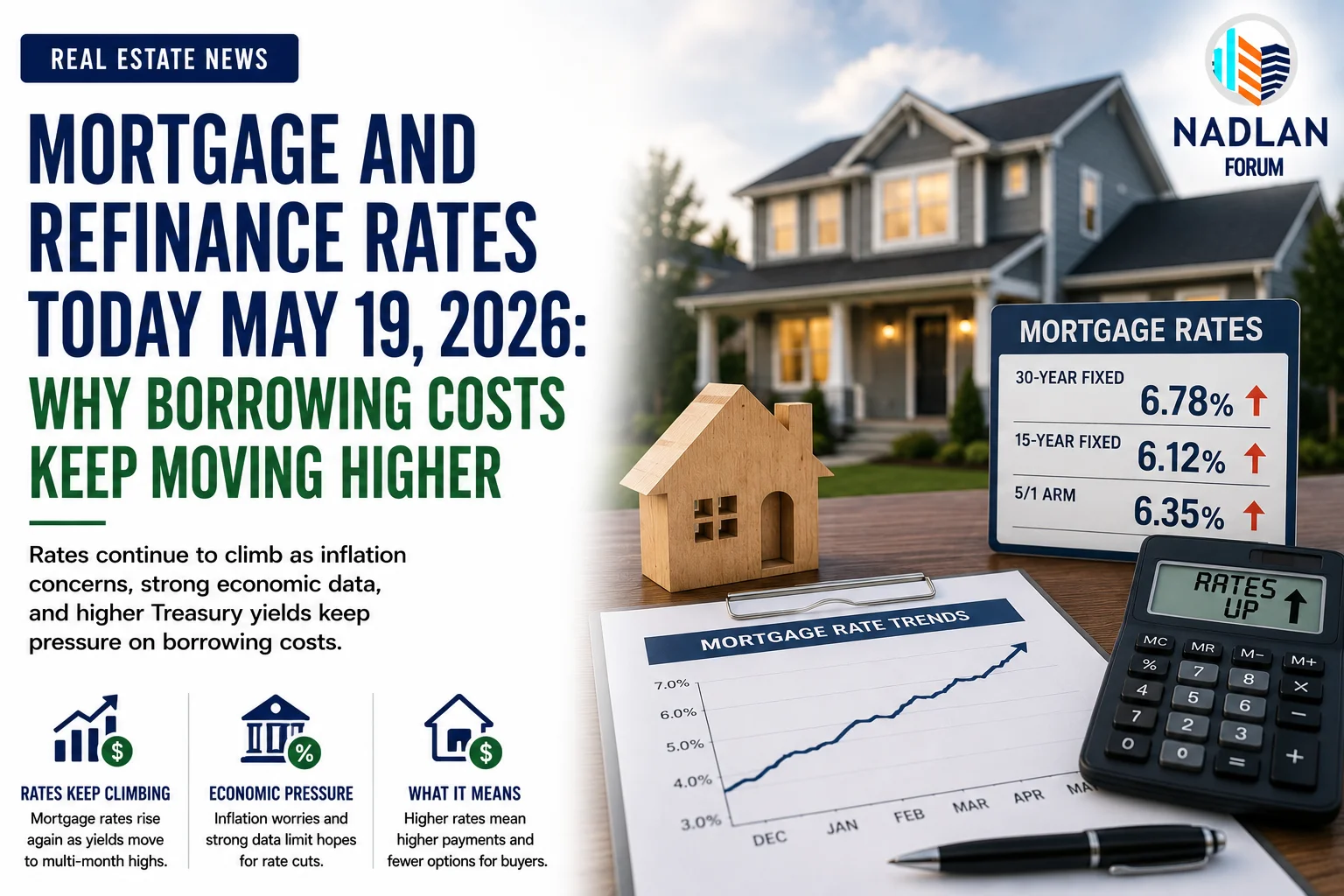
Mortgage rates have also moved lower. The average 30-year fixed mortgage is now around 6.19%, down from well above 7% at the start of 2025. That drop can translate into hundreds of dollars in monthly savings for buyers, especially on higher-priced homes.
Lower rates, combined with steady wage growth, are making monthly payments more manageable. This has encouraged more buyers to start looking again, even if they are not quite ready to make an offer.
Down Payments Remain the Biggest Barrier
Despite these improvements, saving for a down payment is still the toughest part of buying a home. According to Realtor.com, the typical buyer now needs about seven years to save enough for a down payment. That’s better than the 12-year peak seen in 2022, but still about twice as long as before the pandemic.
One reason is that the personal savings rate is much lower than it was in 2020. Even with stable incomes, many households are spending more on everyday costs, leaving less room to save.
This challenge is showing up in ownership data. Homeownership fell to 65% in the second half of 2025, according to the U.S. Census, the lowest level since 2019.
More Homes for Sale Are Bringing Buyers Back
On a more positive note, housing supply is improving. Active listings are now about 12% higher than a year ago, based on Realtor.com data. While inventory is still below pre-pandemic levels, buyers clearly have more choices than they did in recent years.
That increase in supply is starting to show results. Pending home sales jumped 3.3% in November from October and were 2.6% higher than a year earlier, reaching their strongest level in nearly three years, according to the National Association of Realtors.
“Improving housing affordability driven by lower mortgage rates and wage growth rising faster than home prices is helping buyers test the market,” said NAR Chief Economist Lawrence Yun. “More inventory choices compared to last year are also pulling more buyers back in.”
The Bottom Line
Buying a home is getting easier than it was at the height of the affordability crunch. Monthly payments are more reasonable, prices are calmer, and listings are rising. But until buyers can more easily save for down payments, many will remain stuck on the sidelines. As 2026 approaches, the housing market is improving but it’s not fully healed yet. For direct financing consultations or mortgage options for you visit 👉 Nadlan Capital Group.


















Responses