
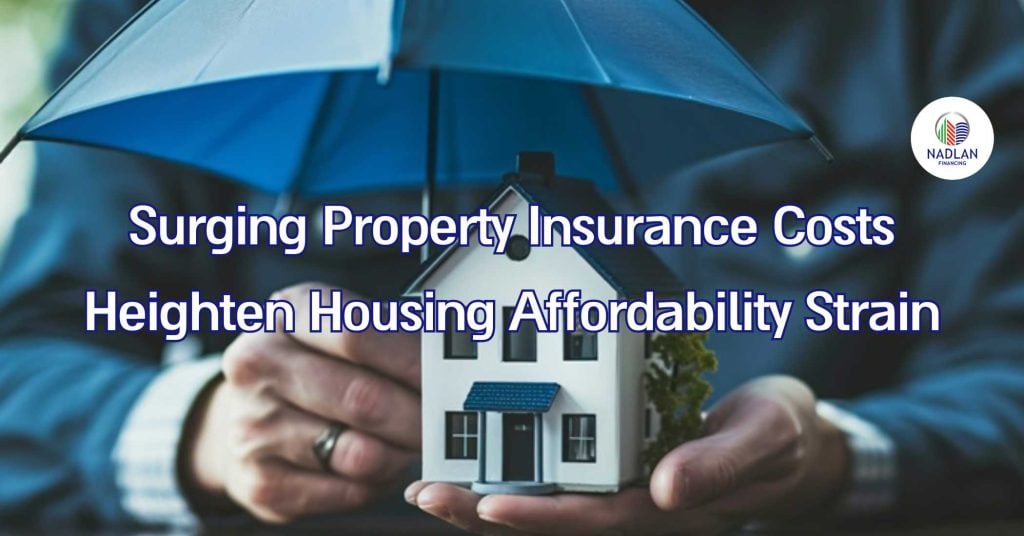
Rising Insurance Costs Could Add Pressure to Homebuyers Over the Next Two Years


Homeowners across the U.S. are bracing for a potential rise in insurance premiums, with projections indicating that premiums could climb by as much as 16% over the next two years. This is primarily driven by an uptick in natural disasters and the higher costs of rebuilding, which are putting additional pressure on the housing market.
According to Cotality, a real estate analytics firm, the average homeowner’s insurance premium is expected to rise by 8% in 2026, followed by another 8% increase in 2027. The rising cost of premiums is a growing concern, with some areas seeing double-digit growth in recent years. Currently, insurance accounts for 9% of the average homeowner’s total payment, including principal, interest, and property taxes.
John Rogers, Cotality’s Chief Data and Analytics Officer, noted that the combination of rising costs for rebuilding homes, frequent natural disasters, and increasing claims is putting significant strain on the insurance market. Rogers stated, “Insurance now accounts for the highest average on record in terms of outlay for a typical U.S. homeowner.”
Key Takeaways
- Insurance premiums are projected to rise by 16% over the next two years, driven by higher rebuilding costs and frequent natural disasters.
- Many U.S. homes are exposed to severe or extreme climate risks, putting trillions of dollars of real estate at risk.
- Rising insurance costs could further dampen buyer demand, especially in already struggling housing markets.
- Coastal areas like Miami and Fort Lauderdale are particularly vulnerable to flooding, which is driving up insurance premiums in these regions.
- Potential buyers should be aware of the added costs when calculating their monthly housing expenses, as insurance premiums could become a significant part of their overall housing budget.
As the housing market continues to adjust to rising costs and economic uncertainty, understanding the impact of insurance premiums will be crucial for both current homeowners and potential buyers.
Why Are Insurance Premiums Rising?
The main reason for the rising premiums is the higher cost of rebuilding, which has been affected by both overall inflation and specific trends in the housing supply chain. Additionally, the increasing frequency of natural disasters such as wildfires, floods, and windstorms has led to more damage and a higher number of insurance claims.
Danielle Hale, Chief Economist at Realtor.com, explained that these trends are forcing insurers to raise premiums in an effort to cover the mounting costs of claims. Hale also pointed out that a significant portion of the U.S. housing market faces severe or extreme climate risk. For example, 6% of homes are at risk of flooding, 18% face wind risks, and 6% are at risk of wildfires. This exposure to climate-related risks is putting trillions of dollars worth of real estate at risk, further exacerbating the need for higher premiums.
High-Risk Areas See the Biggest Impact
Coastal markets are particularly vulnerable to flood risk, with the Miami–Fort Lauderdale–West Palm Beach area in Florida leading the nation. In this area, a staggering $306.8 billion worth of homes are at risk, which accounts for 23.2% of the region’s total housing value. These figures highlight the growing concerns for homeowners and the broader housing market, particularly in areas where properties are prone to extreme weather events.
The rise in insurance costs is likely to have a far-reaching impact on the housing market, especially for potential homebuyers already facing an affordability crisis. The combination of high mortgage rates and rising housing costs has made it difficult for many individuals to afford homes, and the increased cost of insurance may push even more potential buyers to the sidelines.
The Impact on Housing Demand
As Hannah Jones, Senior Economic Research Analyst at Realtor.com, pointed out, rising insurance premiums could further discourage homebuyers who are already struggling to estimate their total monthly housing expenses. “Climbing insurance costs can contribute to weaker buyer demand, especially in markets that are already vulnerable,” Jones said.
In regions where insurance premiums are rising quickly, buyers may find it even more difficult to afford homes, as the additional cost of insurance could make it harder to keep up with mortgage payments and other housing-related expenses.
What Does This Mean for the Housing Market?
The projected rise in homeowner insurance premiums adds another layer of pressure to an already fragile housing market. With insurance costs set to increase over the next few years, potential buyers could become even more hesitant to enter the market. For those already owning homes, higher insurance premiums could squeeze their budgets further, reducing their purchasing power in the market.
The housing market is already experiencing challenges, with low inventory and rising mortgage rates putting a strain on affordability. The anticipated increase in insurance premiums could worsen these conditions, making it even harder for individuals to buy homes, especially in areas with high natural disaster risks. For direct financing consultations or mortgage options for you visit 👉 Nadlan Capital Group.



















Responses