
U.S. Housing Market Expected to Level Out in 2026 as Buyers Shift to Value Cities


After years of rising prices and tight supply, the U.S. housing market is expected to find firmer ground in 2026. According to new projections from Realtor.com, home prices are likely to rise at a slower pace, and sales activity should improve slightly as mortgage rates ease and incomes slowly catch up.
While the national outlook points to more balance, not all markets will move in the same direction. Certain metro areas mainly in the Northeast and Midwest are projected to outperform others. These locations are often described as “value hubs,” where buyers can still find homes priced below nearby major cities.
These markets offer better affordability, limited new construction, and steady demand, making them attractive to buyers who are priced out of larger and more expensive urban centers.
Housing Markets That Could Stand Out in 2026
Realtor.com ranked the 100 largest U.S. metro areas based on expected home sales growth and price increases. The top 10 markets share several traits: lower home prices compared to nearby cities, older but stable buyer populations, and limited housing supply.
These factors are expected to drive competition, pushing prices higher even as the national market cools slightly.
Top 10 Metro Areas Projected to Perform Well in 2026
| Rank | Metro Area | Region | Sales Growth YoY | Price Growth YoY | Combined Growth |
|---|---|---|---|---|---|
| 1 | Hartford-West Hartford-East Hartford, CT | Northeast | 7.6% | 9.5% | 17.1% |
| 2 | Rochester, NY | Northeast | 5.3% | 10.3% | 15.5% |
| 3 | Worcester, MA-CT | Northeast | 12.6% | 2.4% | 15.0% |
| 4 | Toledo, OH | Midwest | -1.2% | 13.1% | 11.9% |
| 5 | Providence-Warwick, RI-MA | Northeast | 7.1% | 4.1% | 11.2% |
| 6 | Richmond, VA | South | 3.6% | 6.9% | 10.6% |
| 7 | Grand Rapids-Wyoming, MI | Midwest | 6.9% | 3.7% | 10.6% |
| 8 | Milwaukee-Waukesha-West Allis, WI | Midwest | 3.5% | 7.0% | 10.5% |
| 9 | New Haven-Milford, CT | Northeast | 2.3% | 7.7% | 10.0% |
| 10 | Pittsburgh, PA | Northeast | 4.0% | 5.7% | 9.7% |
What These Markets Have in Common
Despite being spread across regions, these metro areas share several important traits:
- Lower home prices compared to nearby major cities
- Limited new housing construction
- Less mortgage rate lock-in, meaning more owners are willing to sell
- Older, financially stable buyers
- Older housing stock, which keeps prices lower than newer developments
One notable detail is age. Pittsburgh leads the list with a median age of 57, followed closely by Providence, New Haven, and Hartford at 55. Even the youngest metro on the list, Grand Rapids, has a median age of 52, well above the national median of 40. Older buyers often bring stronger financial profiles, which supports steady demand.
Affordability Still Drives Buyer Decisions
Affordability remains the top concern for homebuyers nationwide. These leading markets act as “refuge cities” for buyers leaving expensive metro areas such as New York, Boston, and Washington, D.C.
The median list price across the top 10 markets is about $384,000, well below the national median of roughly $415,000. That price gap makes these cities attractive to:
- First-time buyers
- Remote workers
- Buyers relocating from high-cost areas
Before mortgage rates rose, these metros attracted less attention from out-of-state buyers. In early 2022, out-of-state shoppers made up about 31% of listing views in today’s top 10 markets. As rates climbed and affordability worsened elsewhere, interest surged.
By mid-2023, 47% of listing views in these metros came from out-of-state buyers higher than the national average. That trend remains strong heading into 2026.
Low Inventory Keeps Prices Moving Higher
Another major factor supporting growth in these markets is limited supply. Inventory in many of these metros remains far below pre-pandemic levels:
- Hartford: 74% fewer active listings than before 2020
- Worcester and New Haven: similar shortages
- Richmond and Pittsburgh: still about 31% below pre-pandemic levels
For comparison, the national inventory gap is closer to 12%. With fewer homes available, competition stays strong, even as mortgage rates remain elevated.
Since rates jumped in 2022, prices in these value-focused markets have risen much faster than the national average. List prices across the top 10 have increased 16.3% on average, compared to nearly flat prices nationwide. Toledo alone saw prices jump more than 33%.
What to Expect in 2026
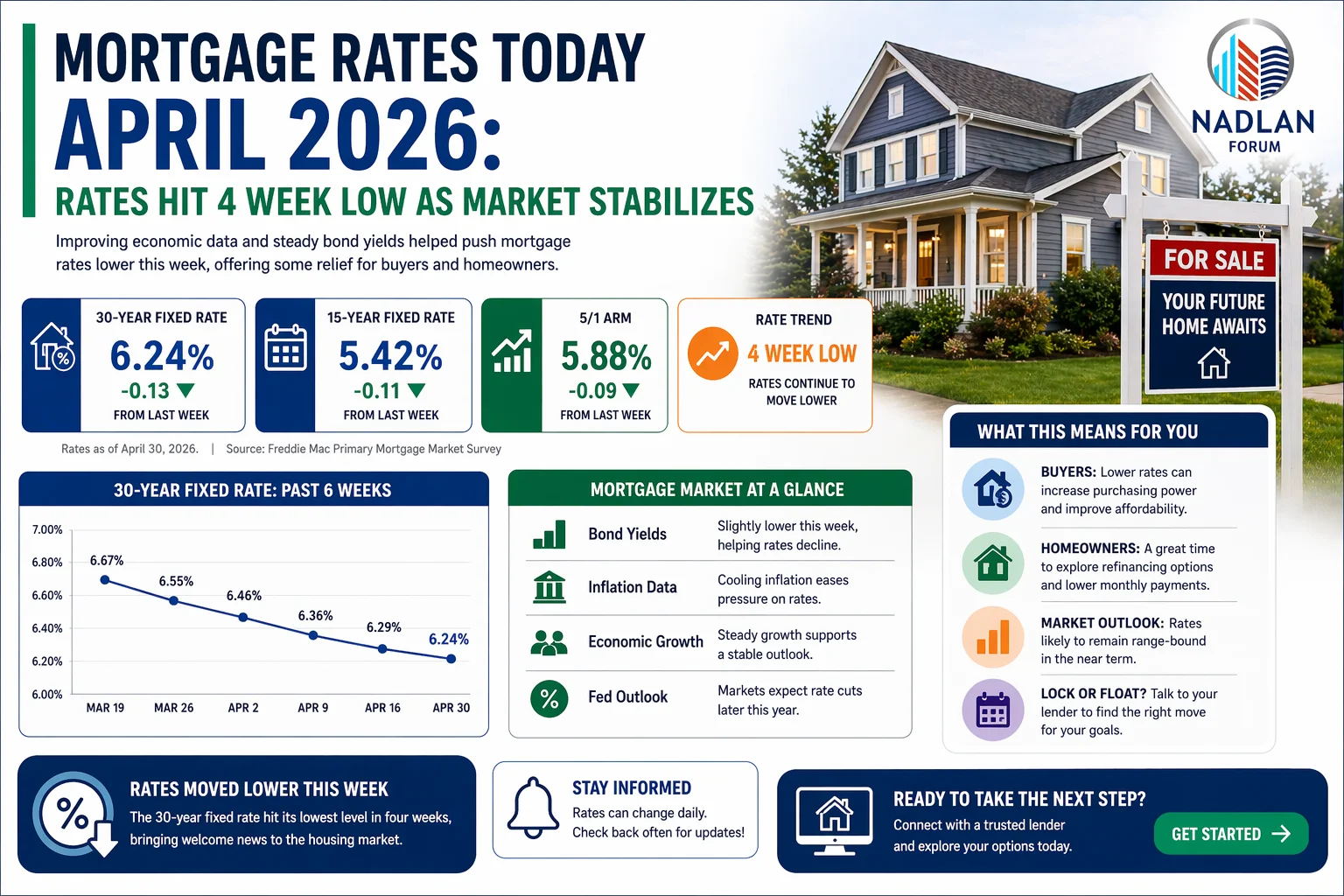
Realtor.com expects mortgage rates to decline modestly in 2026, likely settling near 6.3%. While that won’t return affordability to pre-pandemic levels, it may be enough to bring more buyers back into the market.
As long as supply remains tight and prices stay lower than nearby major metros, these value hubs are expected to remain highly competitive. Buyers looking for more space and lower prices will continue to push demand toward these smaller cities.
In 2026, the national housing market may calm but for these overlooked metro areas, momentum is expected to continue. For direct financing consultations or mortgage options for you visit 👉 Nadlan Capital Group.























Responses