
Minneapolis Fed Signals Possible Pause on Interest Rate Cuts in 2026

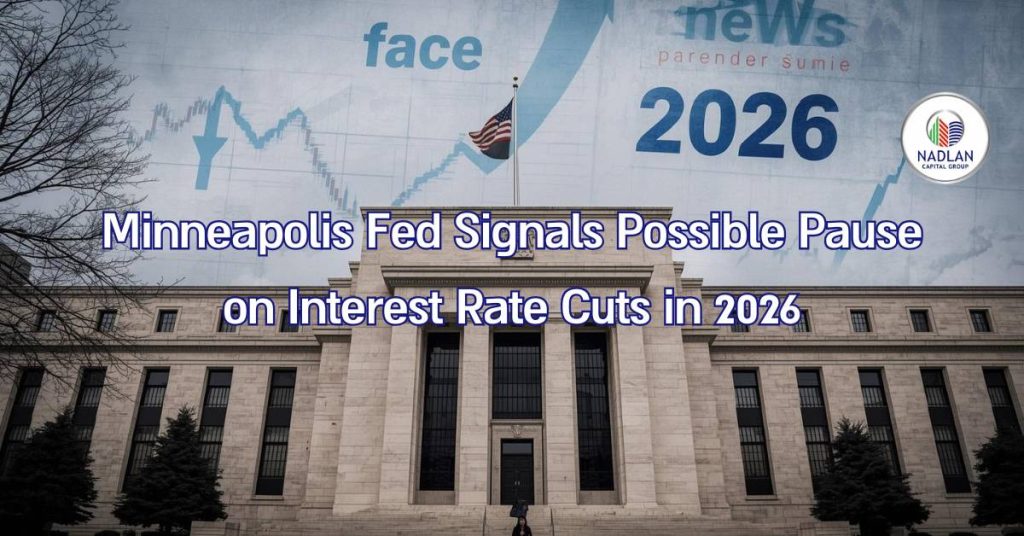
The Federal Reserve may be nearing a turning point on interest rates, according to comments made this week by Neel Kashkari, president of the Minneapolis Federal Reserve.
In a Monday interview on Squawk Box, Kashkari said the central bank is close to a level where it may no longer need to keep cutting rates and should instead wait for clearer economic signals.
“My guess is we’re pretty close to neutral right now,” Kashkari said. “We need more data to understand what’s the bigger force inflation or the labor market and then move from there.”
What ‘Neutral’ Means for Rates
A neutral interest rate is one that neither pushes the economy forward nor slows it down. According to projections from the Fed’s December meeting, the current federal funds rate set between 3.5% and 3.75% is only about half a percentage point away from where policymakers believe neutral sits.
That closeness explains why some officials are questioning whether more rate cuts are still needed after three reductions in late 2025.
The challenge now is balance. Inflation remains above the Fed’s 2% goal, while job growth has slowed and unemployment has drifted higher.
Inflation vs. Jobs: The Core Debate
“I think inflation is still too high,” Kashkari said. “The big question is how tight monetary policy really is.”
He noted that many economists expected the economy to cool more over the past two years, but growth has held up better than anticipated. That resilience, in his view, suggests policy may not be restraining demand as much as previously thought.
At the same time, Kashkari acknowledged concerns about the labor market. The unemployment rate has climbed to 4.6%, and further increases remain possible.
Inflation, meanwhile, remains sticky. The Fed’s preferred core inflation measure was recently reported at 2.8%, though some data accuracy issues remain following the government shutdown.
Tariffs and Long-Term Inflation Risk
Kashkari also warned that inflation risks may linger longer than expected, especially from tariffs tied to Donald Trump’s trade policies.
“Tariff effects can take years to fully move through the system,” he said, adding that inflation could prove more persistent than many forecasts assume.
That risk is one reason Kashkari has expressed hesitation about recent rate cuts, even as he recognizes that job losses could accelerate if conditions worsen.
Kashkari’s Role Carries Weight in 2026
Kashkari’s comments are especially important this year because he is a voting member of the Federal Open Market Committee, the group that decides interest rate policy.
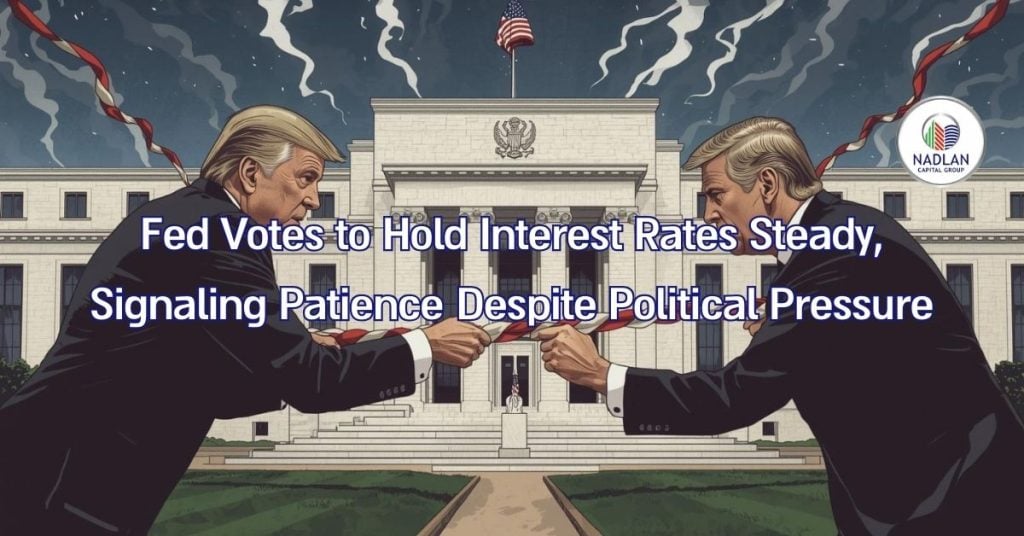
While the committee remains divided, his remarks suggest momentum toward a pause rather than continued cuts in early 2026
Support for Powell’s Continued Presence
Kashkari also weighed in on the future of Jerome Powell, whose term as Fed chair ends in May.
Although Powell is expected to be replaced as chair, his term as a Fed governor runs through January 2028. Kashkari said he hopes Powell stays on.
“I think he’s done an excellent job,” Kashkari said. “I would love to see him remain as a colleague for as long as he likes.”
What Comes Next
With inflation still elevated, unemployment edging higher, and economic data slowly normalizing after reporting disruptions, the Fed appears set to take a wait-and-see approach.
For now, Kashkari’s message is clear: the era of steady rate cuts may be close to ending, and the next move if any will depend on which risk becomes more urgent. For direct financing consultations or mortgage options for you visit 👉 Nadlan Capital Group.





















Responses