
U.S. Forecast Points to Potential Housing Market Rebalance


After years of volatility, the U.S. housing market might finally be inching toward something that resembles balance. According to Realtor.com’s latest 2025 Housing Forecast, economic resilience and stabilizing financial indicators are setting the stage for a slow but steady shift in market conditions that could favor both buyers and sellers in different ways.
Economic Stability Lays the Groundwork
The national economy is holding up better than many expected. With the unemployment rate falling to 4.1% in June and inflation remaining in check hovering in the 2%–3% range for over a year experts believe the Federal Reserve now has more breathing room. Since slashing interest rates by 100 basis points in late 2024, the Fed has left rates unchanged throughout 2025, signaling confidence that both price stability and employment levels are on solid footing.
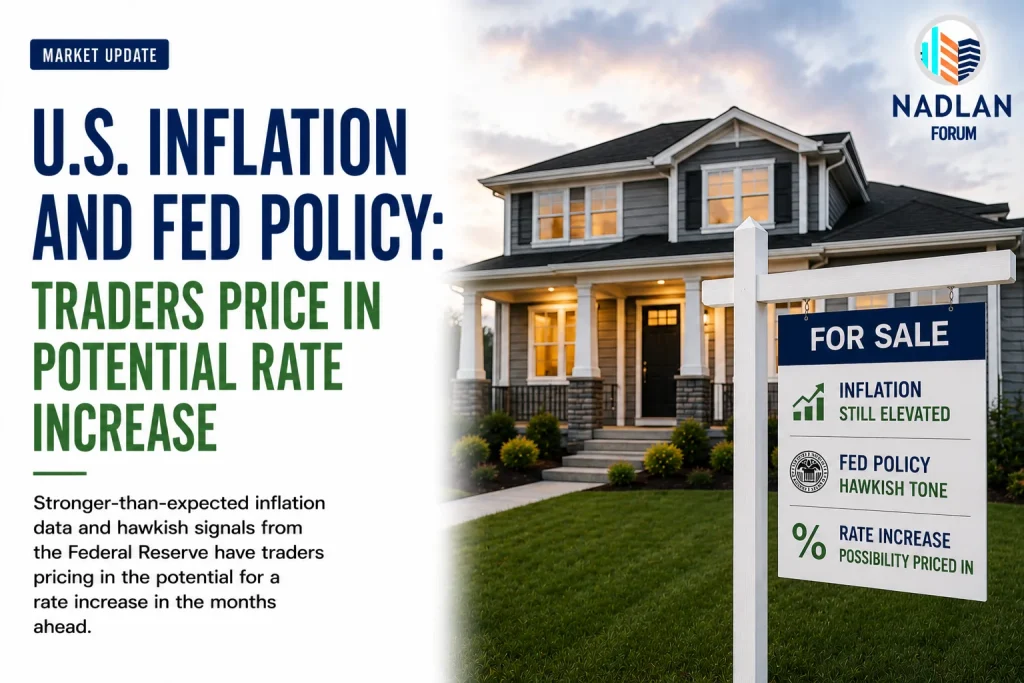
Still, the central bank remains watchful. Rising tariffs and federal spending under legislation like the Big Beautiful Bill Act could trigger another inflation wave, which may limit how far mortgage rates can fall in the near term.
Key 2025 Market Projections
- Home Sales: About 4 million homes are expected to be sold this year just behind the record lows of 2024.
- Home Prices: Price growth is slowing, with a projected national increase of around 2.5%.
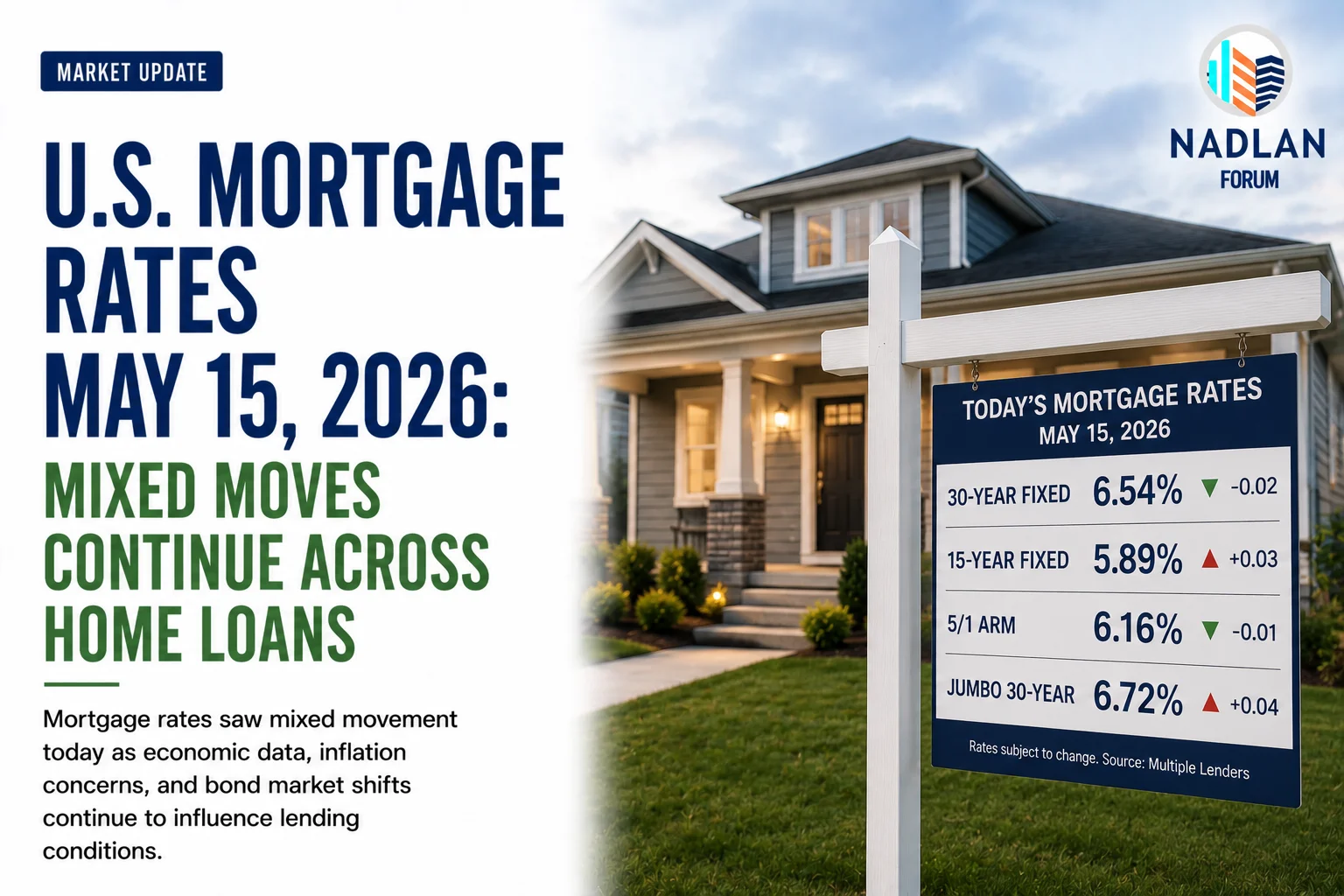
- Mortgage Rates: Average mortgage rates may end the year at 6.4%, slightly below 2024’s 6.7%, translating to meaningful savings for buyers.
- Renting Still Popular: Despite modest home price relief, renting remains the more cost-effective option in most markets.
Mortgage Relief, But Caution Remains
While a 0.3% drop in interest rates may seem modest, it can make a difference. On a $350,000 loan roughly 80% of the median list price of $440,950 that drop reduces monthly payments by around $70, or nearly $830 annually. That’s not life-changing, but it’s enough to draw in more buyers.
Even so, Realtor.com economists say this year’s home sales will likely end slightly below last year’s, despite a stronger-than-expected first quarter. Spring’s momentum faded, and a more subdued pace is now expected into the fall.

Supply Shortages & Price Moderation
The U.S. housing shortage continues to be the major obstacle. For over a decade, limited new construction and lagging supply have pushed prices higher. While some markets especially in the South and West have seen inventory recover, prices remain stubbornly high.
That said, price growth is softening in some areas, particularly where inventory has improved. Realtor.com data shows median sale prices in these markets are starting to level out or decline, especially where competition is less fierce.
- Seller’s Market: Less than 4 months of inventory; homes move fast and command top dollar.
- Balanced Market: 4–6 months of supply; buyers and sellers negotiate on more equal footing.
- Buyer’s Market: Over 6 months of inventory; sellers offer price cuts, concessions, or contingencies to attract interest.
The national supply level recently hit its highest point since 2016, suggesting the market is becoming more favorable for buyers.
Rental Market Sees Ongoing Declines
Renting remains more affordable than owning in most metro areas. In fact, rents have declined for nearly two straight years down 2.1% in the last 12 months, and 2.7% since their 2022 peak. The only city where buying a starter home is cheaper than renting? Pittsburgh.
This has led to many would-be buyers staying put in rentals, delaying their jump into homeownership and saving money in the process.
Sellers Adjust Strategies Amid Shifting Market
Sellers have taken notice of the changing landscape. In June, more than 20% of home listings saw price cuts, while time on market decreased and inventory climbed nearly 30%. Some sellers, unwilling to compete or compromise, have chosen instead to delist their homes. Delistings are up 47% over the past year shrinking supply and potentially stalling buyer momentum.
The growing trend of delistings could hinder a buyer-friendly shift if it continues. For now, homes that remain listed longer are more likely to see price reductions, offering opportunities for savvy buyers.
Homeownership Outlook: Mixed Signals
Despite the improvements, affordability challenges remain entrenched. The national homeownership rate is expected to fall to 65.3% this year reflecting both high prices and limited access for younger buyers. Without significant changes in inventory and affordability, this could have long-term effects on wealth-building for future generations.
What’s Ahead for the Remainder of 2025
Realtor.com’s forecast shows that 2025 is tracking close to projections just 2% below sales pace expectations. However, after a strong start, the spring market underperformed. Experts believe sales will remain flat or slightly below 2024 levels into the fall.
Still, rising buyer activity in recent weeks hints at a possible late-summer rally. If that interest holds and mortgage rates remain relatively low the second half of the year could end on a stronger note than expected.
Bottom Line:
While the housing market still faces headwinds from high costs and limited access, gradual shifts in inventory, price growth, and mortgage rates could finally set the stage for a more balanced market. For buyers, renters, and sellers alike, the rest of 2025 may offer new opportunities if they know where to look. For direct financing consultations or mortgage options for you visit 👉 Nadlan Capital Group.






















Responses