
Fidelity REIT ETF Guide: Your 2026 Investment Roadmap

As real estate markets shift and interest rates continue to change, investors are searching for stability and growth. Many are looking toward REIT ETFs as a way to access diversified real estate returns, especially with the opportunities and challenges that 2026 may bring.
This guide will show you how to leverage the fidelity reit etf to build a resilient and balanced portfolio. You will learn what sets these ETFs apart, how to assess their performance, and the steps needed to invest with confidence.
We will explore how REIT ETFs work, highlight Fidelity’s offerings, examine the 2026 market outlook, and provide a step-by-step roadmap for investors. Along the way, you will find risk management strategies and key metrics designed to help you succeed.
Ready to make informed decisions in the evolving real estate landscape? Let’s get started.
Understanding REIT ETFs and Their Role in Modern Portfolios
Navigating the world of real estate investments requires a deep understanding of modern tools like the fidelity reit etf. Investors today seek accessible, diversified options to strengthen their portfolios. REIT ETFs, especially those from established providers, play a crucial role in this evolving landscape. Let’s break down what sets them apart and why they matter for 2026 and beyond.

What Are REIT ETFs?
REIT ETFs, or Real Estate Investment Trust Exchange-Traded Funds, are funds that own a basket of publicly-traded real estate assets. They trade on stock exchanges, providing investors with exposure to a variety of real estate sectors through a single security. Unlike traditional REITs, which may focus on specific property types or regions, REIT ETFs offer built-in diversification. For example, the fidelity reit etf tracks a broad index of real estate stocks, giving investors instant access to multiple companies. The liquidity of REIT ETFs means you can buy or sell shares throughout the trading day, just like stocks. Investors should also consider the unique tax implications, as REIT ETF dividends are generally taxed as ordinary income.
Why Real Estate Exposure Matters in 2026
Adding a fidelity reit etf to your portfolio can be a strategic move for the upcoming market cycle. Historically, real estate has outperformed or matched other asset classes during periods of inflation, offering a hedge against rising costs. According to NAREIT, real estate delivered competitive annual returns in 2023 and 2024, demonstrating resilience even in volatile markets. Real estate also enhances diversification by behaving differently than stocks and bonds, which can help smooth portfolio returns. In uncertain economic times, demand for tangible assets like property increases, making real estate ETFs particularly appealing for 2026.
The Unique Positioning of Fidelity REIT ETFs
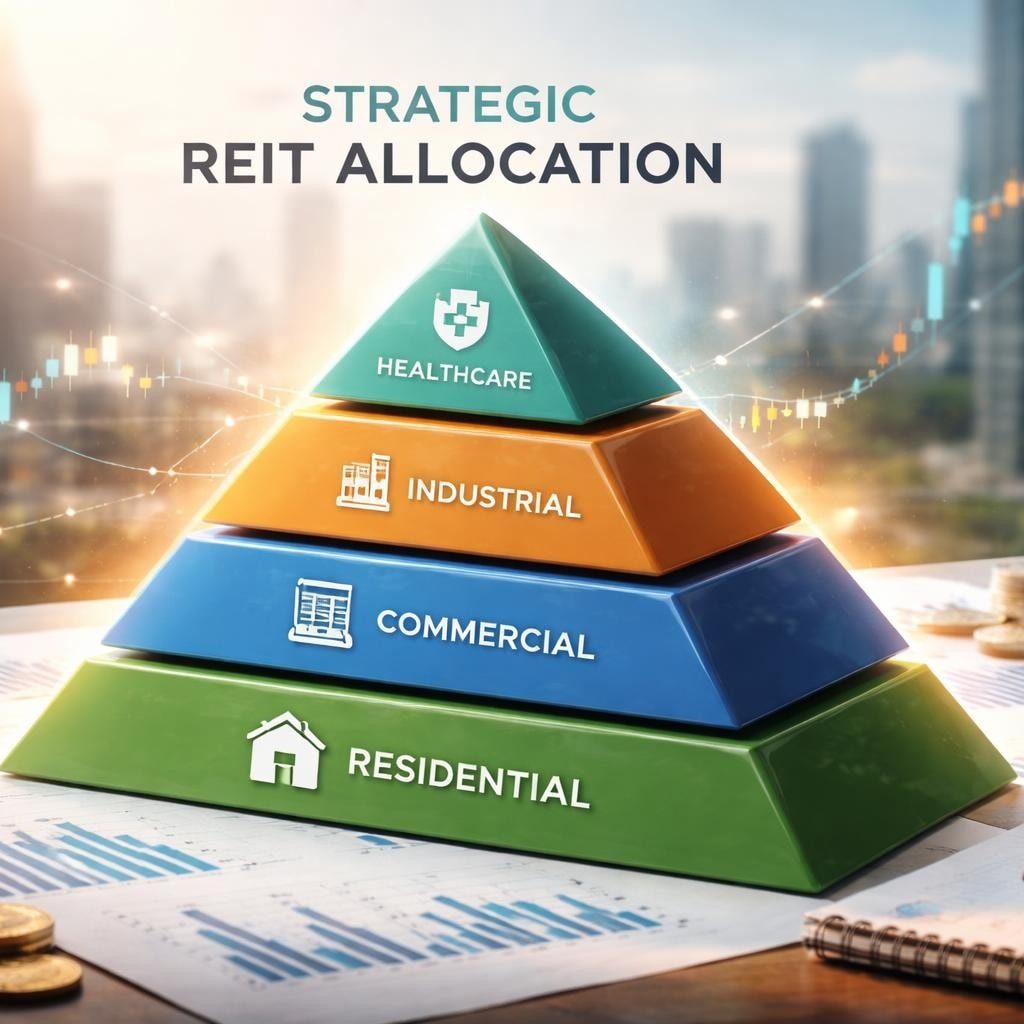
Fidelity is renowned for its expertise, and the fidelity reit etf lineup reflects this reputation. Fidelity’s offerings feature competitive expense ratios compared to peers like Vanguard and Schwab, making them attractive for cost-conscious investors. For instance, Fidelity MSCI Real Estate Index ETF (FREL) Overview shows the fund’s diversified holdings across sectors such as commercial, residential, and industrial properties. Top positions often include leading real estate companies, and both retail and institutional investors can access these funds with ease. Fidelity’s commitment to transparency and investor education further sets its REIT ETFs apart.
Investor Profiles: Who Should Consider REIT ETFs?
The fidelity reit etf appeals to a range of investors seeking different objectives. Long-term growth investors value the potential for capital appreciation, while income-focused retirees appreciate regular dividend payouts. Young professionals use REIT ETFs to diversify portfolios without large capital requirements. Both risk-tolerant and risk-averse individuals find options suitable for their comfort level. Minimum investment thresholds are typically low, and these ETFs can be held in various account types, including IRAs, 401(k)s, and standard brokerage accounts.
- Long-term investors
- Retirees seeking income
- Young professionals
- Risk-averse and risk-tolerant investors
Common Myths and Misconceptions
Despite their benefits, myths persist about the fidelity reit etf. Some believe REIT ETFs are too risky, but volatility data often shows they move in line with broader equity markets. Others argue that ETFs underperform direct real estate ownership, yet performance comparisons frequently favor ETFs due to diversification and liquidity. Concerns about high fees are also overstated, as modern REIT ETFs offer low expense ratios. Lastly, misconceptions about liquidity and dividend yields can be clarified by analyzing fund data and payout histories, which demonstrate strong, reliable performance for investors.
Fidelity REIT ETF Options: A Deep Dive
Choosing the right fidelity reit etf starts with understanding the breadth of options Fidelity offers. Their lineup caters to a wide range of investors, from those seeking broad real estate exposure to those interested in specific sectors or themes.
Fidelity’s REIT ETFs are built to provide liquidity, diversification, and ease of access. Each ETF has distinct features, including sector focus, fund size, and inception date. For example, the flagship FREL launched in 2015, has grown significantly in assets under management, reflecting investor confidence. Other options may target different property types or geographies, ensuring flexibility for tailoring your portfolio.
Overview of Fidelity’s REIT ETF Offerings
Fidelity’s REIT ETF family is designed to help investors capture the potential of the real estate market with minimal barriers to entry. The most prominent fidelity reit etf is FREL, the Fidelity MSCI Real Estate Index ETF, which tracks a broad real estate index.
Other Fidelity REIT ETFs may focus on specific market segments or offer unique thematic exposure. Each fund varies in total assets under management and inception date, allowing you to select according to your investment timeline and objectives. The diversity of offerings ensures that both new and experienced investors can find a fidelity reit etf aligned with their goals.
FREL: Fidelity MSCI Real Estate Index ETF
FREL stands out among fidelity reit etf choices due to its comprehensive approach. This ETF tracks the MSCI US IMI Real Estate 25/50 Index, providing exposure to a diversified mix of real estate companies, including REITs and real estate management firms.
The sector allocation includes office, retail, residential, and specialized real estate. FREL’s top holdings typically feature well-known REITs such as Prologis, American Tower, and Equinix, with a focus on both growth and income. Its dividend yield is competitive, paid quarterly, and historical performance from 2019 to 2024 demonstrates resilience through market cycles. FREL’s structure makes it a core building block for many real estate-focused portfolios.
Comparing Fidelity REIT ETFs to Competitors
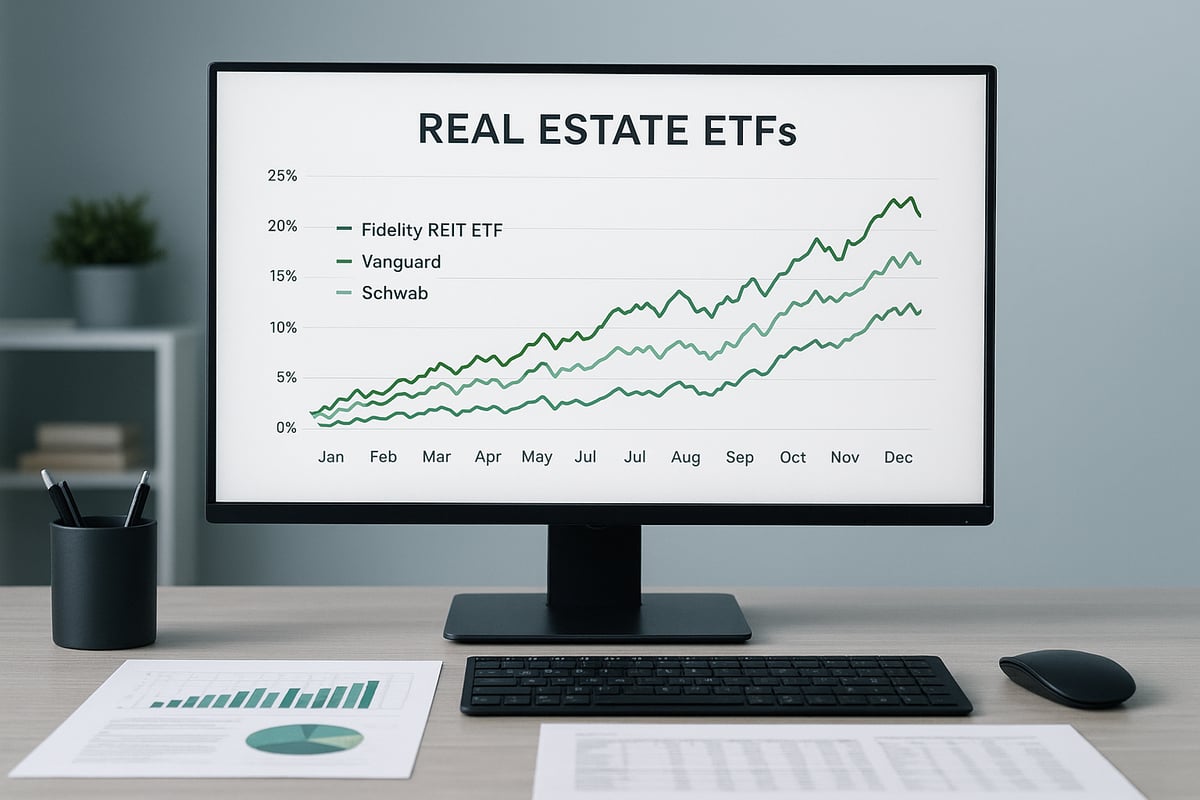
When evaluating a fidelity reit etf against alternatives like Vanguard’s VNQ or Schwab’s SCHH, it’s essential to compare key metrics. Fidelity’s ETFs generally offer competitive expense ratios, often lower than industry averages.
| ETF | Expense Ratio | AUM (Billion USD) | Liquidity | Analyst Ratings |
|---|---|---|---|---|
| FREL | 0.08% | 4.5 | High | Positive |
| VNQ | 0.12% | 34 | Very High | Highly Rated |
| SCHH | 0.07% | 7 | High | Positive |
Tracking error and performance can differ, with FREL offering robust returns and efficient tracking. For a deeper dive into cost and concentration factors shaping ETF selection, see Historical Lessons for REIT ETF Choice: Cost, Concentration, and the 2026 Outlook. Third-party reviews often praise Fidelity’s transparency and accessibility.
Fees, Liquidity, and Accessibility
Cost efficiency is a hallmark of any fidelity reit etf. With expense ratios as low as 0.08%, investors retain more of their returns. Trading costs are minimized through high average daily volumes and tight bid-ask spreads.
There are no minimum investment requirements, making entry easy for both retail and institutional investors. Fidelity’s ETFs are accessible via most major brokerages and offer tax-efficient structures. This combination of low fees, ample liquidity, and straightforward access makes a fidelity reit etf an attractive choice for building real estate exposure.
ESG and Thematic Investing in Fidelity REIT ETFs
Sustainable investing is gaining traction, and several fidelity reit etf options now integrate ESG criteria or thematic focuses. Investors can align their real estate exposure with values such as energy efficiency or green building practices.
Fidelity’s ESG-focused ETFs include holdings in companies recognized for environmental leadership, such as solar-powered commercial properties or LEED-certified buildings. These funds receive favorable ESG ratings, reflecting their commitment to responsible investing. As demand for sustainable real estate grows, a fidelity reit etf with a thematic or ESG tilt can play a vital role in a future-ready portfolio.
2026 Market Outlook for REIT ETFs
The landscape for real estate investment is shifting as we approach 2026. Investors are carefully watching how macro trends, sector dynamics, and policy changes will shape the performance of the fidelity reit etf and similar products. To position your portfolio for success, it is vital to understand the evolving market outlook.

Macroeconomic Trends Impacting Real Estate
Interest rates are a crucial driver for REIT performance. As forecasts anticipate moderate rate increases through 2026, the cost of capital for real estate firms may rise, influencing property values and yields. Inflation is expected to remain above pre-pandemic levels, making real assets attractive as a hedge.
Demographic shifts, including urbanization and population growth in Sun Belt regions, are expected to boost demand for both residential and commercial properties. For a deeper dive into these trends, review the 2026 Market Outlook and Positioning for expert insights. The fidelity reit etf is built to capture these macro drivers, offering investors exposure to broad real estate trends.
Sector-Specific Opportunities and Risks
Within the real estate universe, certain sectors are poised for outperformance. Industrial and logistics REITs are benefiting from the e-commerce boom, while data centers are in demand due to digital transformation. Healthcare REITs offer stability as the population ages, and select retail REITs are adapting to new consumer habits.
However, office and hospitality sectors face headwinds from remote work and changing travel patterns. Sector rotation within a fidelity reit etf can help balance these risks and opportunities, providing diversified exposure as the market evolves.
Regulatory and Taxation Changes
Potential changes in U.S. tax policy could impact REIT distributions and after-tax returns. Investors should monitor developments related to 1031 exchanges and any new SEC disclosure requirements. The global reach of many REIT ETFs means international tax considerations may also affect returns.
The fidelity reit etf structure offers tax efficiency, but it is crucial to stay informed about regulatory updates. This proactive approach ensures that investors can adjust strategies to maintain compliance and optimize after-tax income.
Analyst Forecasts and Consensus Performance Expectations
Industry analysts, including Morningstar and NAREIT, project steady total returns for real estate through 2026. Dividend yields for REIT ETFs are expected to remain attractive relative to other income-producing assets. Volatility may persist in the short term, but long-term Sharpe ratios indicate competitive risk-adjusted returns.
Comparing historical and projected performance, the fidelity reit etf is forecasted to deliver solid income and capital appreciation, aligning with diversified investor goals. Monitoring consensus estimates can help set realistic expectations for your portfolio.
Case Studies: REIT ETF Performance During Market Shocks
Past market shocks, such as the COVID-19 downturn in 2020, tested the resilience of REIT ETFs. While real estate values dipped sharply, recovery was swift for diversified portfolios. Lessons from these episodes highlight the importance of liquidity and sector diversification.
The fidelity reit etf demonstrated stability and a strong rebound, underscoring the value of a diversified approach during uncertain times. These case studies guide investors in preparing for potential volatility and capturing long-term growth.
Step-by-Step Roadmap: Investing in Fidelity REIT ETFs for 2026
Embarking on your investment journey with a fidelity reit etf in 2026 requires a clear, methodical approach. By following a structured roadmap, you can maximize your real estate exposure, manage risks, and set yourself up for sustainable returns. Let’s break down each step to make your path forward actionable and straightforward.

Step 1: Assess Your Investment Goals and Risk Tolerance
Before buying a fidelity reit etf, clarify your financial objectives. Are you seeking long-term growth, steady income, or portfolio diversification? Each goal shapes your investment approach.
Evaluate your risk tolerance honestly. Use online risk assessment tools or questionnaires to identify your comfort with market fluctuations. Consider factors like investment horizon, income needs, and your reaction to volatility.
Matching your goals to the right fidelity reit etf strategy ensures your portfolio aligns with your expectations. Remember, a thoughtful foundation increases your confidence and resilience as market conditions change.
Step 2: Research and Select the Right Fidelity REIT ETF
With your objectives in mind, compare the available fidelity reit etf options. Review sector focus, performance history, and fund fact sheets to understand each ETF’s strengths.
Leverage third-party research and analyst reviews for deeper insights. If sustainable investing matters to you, check for ESG or thematic options within the Fidelity lineup.
A side-by-side comparison table can clarify your choice:
| ETF Name | Sector Focus | Yield | Expense Ratio |
|---|---|---|---|
| FREL | Broad US | 3.4% | 0.08% |
| ESG REIT | ESG Focused | 2.9% | 0.12% |
Choosing the right fidelity reit etf is about matching fund characteristics to your unique profile.
Step 3: Open and Fund Your Investment Account
To invest in a fidelity reit etf, you’ll need an appropriate investment account. Decide whether a brokerage, IRA, or 401(k) best fits your tax and retirement planning needs.
Opening an account is straightforward:
- Choose a reputable brokerage platform.
- Complete the online application with your personal details.
- Verify your identity and link your bank account.
Minimum deposits vary, but many platforms let you start with modest sums. Funding your account promptly positions you to act when market opportunities arise—especially as 2026 approaches.
Step 4: Execute Your First REIT ETF Purchase
When ready to buy your fidelity reit etf, decide between a market order (buys instantly at the current price) or a limit order (lets you set your maximum price).
Timing matters. Some investors use dollar-cost averaging, spreading purchases over time to reduce the impact of market swings.
Avoid common mistakes, like placing large orders during low-volume periods, which can widen spreads. Consistent, disciplined execution helps you build your fidelity reit etf position effectively.
Step 5: Monitor and Rebalance Your Portfolio
Tracking your fidelity reit etf investments is crucial for long-term success. Use portfolio tracking tools to follow performance, yields, and sector allocations.
Set a rebalancing schedule—quarterly or annually—to ensure your holdings remain aligned with your goals. If your fidelity reit etf allocation drifts, adjust by buying or selling shares.
Stay alert to new opportunities or risks in real estate. Proactive monitoring helps you respond to market changes while keeping your investment plan on course.
Step 6: Tax Planning and Dividend Management
Understand how fidelity reit etf dividends are taxed in your account type. In taxable accounts, dividends may be taxed as ordinary income, so consider using IRAs or 401(k)s for tax advantages.
Explore dividend reinvestment plans (DRIPs) to compound returns. Many brokerages offer automatic DRIP enrollment, letting your fidelity reit etf dividends buy more shares without extra fees.
Strategic tax planning and dividend management can boost your after-tax returns, supporting steady growth through 2026 and beyond.
Step 7: Stay Informed and Adjust for 2026 Market Shifts
The real estate market evolves rapidly, especially as 2026 approaches. Stay updated on macro trends, policy changes, and new Fidelity offerings that could impact your fidelity reit etf strategy.
Leverage investor education resources and market updates. Following daily real estate news updates keeps you ahead of shifts that could affect your portfolio.
Review your allocations regularly and adjust as needed to capture new opportunities or reduce risk. Staying informed ensures your fidelity reit etf investments remain resilient and responsive in a changing market.
Managing Risks and Maximizing Returns with Fidelity REIT ETFs
Effectively navigating risk and return is crucial for any investor considering a fidelity reit etf. Understanding the challenges and opportunities, along with using the right strategies, can help you build a resilient and rewarding real estate portfolio.
Key Risks in REIT ETF Investing
Every fidelity reit etf carries unique risks that investors must recognize before investing. The most significant include:
- Interest rate sensitivity: Rising rates often put downward pressure on REIT prices. You can read more about recent trends in mortgage rates and REIT performance.
- Sector concentration: Overexposure to a single real estate sector, such as office or retail, can heighten volatility.
- Liquidity risk: Although REIT ETFs are generally liquid, some may have lower trading volumes.
- Regulatory and tax changes: Shifts in tax policy or regulations can impact distributions and fund structure.
Understanding these risks will help you make informed decisions and set realistic expectations when investing.
Proven Risk Management Strategies
Managing risk in your fidelity reit etf portfolio involves a multi-pronged approach. Effective strategies include:
- Diversifying across multiple real estate sectors and geographic regions
- Using stop-loss orders to limit downside exposure
- Allocating your assets thoughtfully between REITs and other investments
For a deeper dive into techniques, explore real estate investment strategies that can complement your ETF approach. By implementing these practices, you can better withstand market fluctuations and protect your capital.
Maximizing Returns: Dividend Growth and Capital Appreciation
A core benefit of a fidelity reit etf is the potential for both steady income and long-term growth. To enhance returns, identify ETFs focusing on high-quality, high-yield properties. Reinvesting dividends through a DRIP (Dividend Reinvestment Plan) can accelerate compounding.
Timing your ETF purchases and sales for maximum tax efficiency also boosts net returns. Monitoring sector trends and rotating exposure toward outperforming segments can further enhance your results over time.
Tools and Resources for Ongoing Success
Leveraging the right resources is essential for fidelity reit etf investors. Fidelity offers robust research platforms, portfolio analysis tools, and comprehensive educational content.
Consider third-party analytics, such as Morningstar or NAREIT, for deeper insights into fund performance and risk metrics. Participating in webinars and staying up to date with market outlook reports will keep you informed and ready to adapt your strategy as the market evolves.
How to Track Performance and Benchmark Your Fidelity REIT ETF Investments
Monitoring your fidelity reit etf investments is crucial for long-term success. A disciplined approach to performance tracking helps you stay aligned with your financial goals, respond to market shifts, and maximize returns.
Setting Realistic Performance Benchmarks
Establishing clear benchmarks is the first step to evaluating your fidelity reit etf results. Compare your ETF's returns to established indices like the MSCI US REIT Index or the FTSE Nareit All Equity REITs Index. This provides context for both absolute and relative performance.
It is important to understand tracking error, which measures how closely your fidelity reit etf follows its benchmark. Additionally, set both short-term and long-term return expectations based on historical averages and your personal objectives.
Use a table to compare benchmark returns:
| Benchmark | 3-Year Avg Return | 5-Year Avg Return |
|---|---|---|
| MSCI US REIT Index | 6.8% | 7.2% |
| FTSE Nareit All Equity | 7.1% | 7.5% |
By tracking these benchmarks, you can better judge whether your fidelity reit etf is meeting your investment goals.
Analyzing Historical and Real-Time Performance Data
To make informed decisions, regularly review both historical and current data for your fidelity reit etf. Access Fidelity's performance charts to analyze total return, yield, volatility, and Sharpe ratio. These metrics offer insight into risk-adjusted performance.
Third-party analytics platforms such as Morningstar also provide tools to dive deeper into fund data. For a real-world example, the Fidelity Real Estate Income Fund Q3 2024 Review highlights how Fidelity monitors fund strategy and performance, offering valuable context for ETF investors.
Keep in mind that past performance does not guarantee future results, but patterns can help identify trends and inform your strategy for fidelity reit etf investments.
Evaluating Portfolio Impact and Adjusting Strategy
Assessing the contribution of your fidelity reit etf to your overall portfolio is essential for balanced growth. Measure how the ETF affects diversification, yield, and total return. Identify any underperforming sectors or funds that may require reallocation.
Consider these steps:
- Review sector allocations and performance within your fidelity reit etf.
- Use portfolio analytics to spot potential overlaps or gaps.
- Adjust allocations to address changes in market outlook or personal goals.
By making data-driven adjustments, you can ensure your fidelity reit etf continues to support your broader investment objectives.
Staying Ahead: Continuous Learning and Market Adaptation
Staying informed is key to optimizing your fidelity reit etf strategy. Monitor updates from Fidelity and industry sources, and participate in investment communities to share insights. Leverage ongoing education such as webinars, market outlooks, and expert commentary.
For forward-looking perspective, explore the 2026 real estate market outlook to anticipate trends that could affect your REIT ETF holdings.
Continuous learning empowers you to adapt your fidelity reit etf allocations as market conditions evolve, helping you stay on track for 2026 and beyond.
As you plan your next steps toward building a robust real estate portfolio with Fidelity REIT ETFs, it’s important to consider the full investment picture—including how you’ll finance future property opportunities. At Nadlan Forum, we’re committed to empowering you with practical strategies and reliable resources for every stage of your investment journey. If you’re thinking about expanding your U S real estate holdings in 2026, now is the time to explore your financing options. Take the next step with confidence by learning how you can Get a mortgage in the US today.






















Responses