
Mortgage Rates Near 3-Year Lows Despite Strong Jobs Report


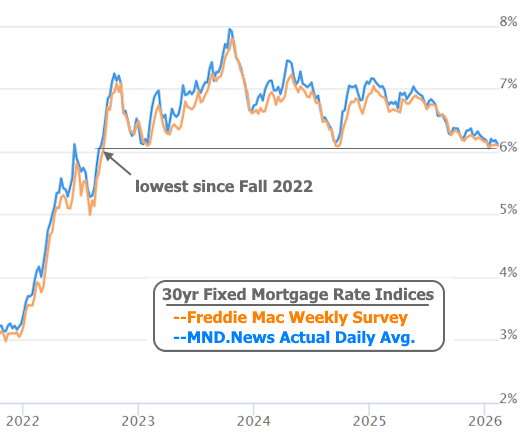
Mortgage rates are once again close to levels not seen in nearly three years and they got there in a way that surprised many market watchers.
Normally, a strong jobs report pushes interest rates higher. But this time, rates moved lower after only a brief spike, leaving many bond traders questioning what is driving the market.
Strong Jobs Data Didn’t Push Rates Higher
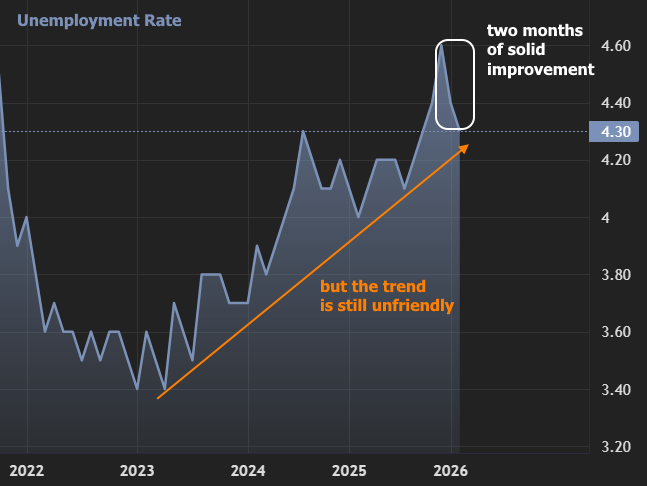
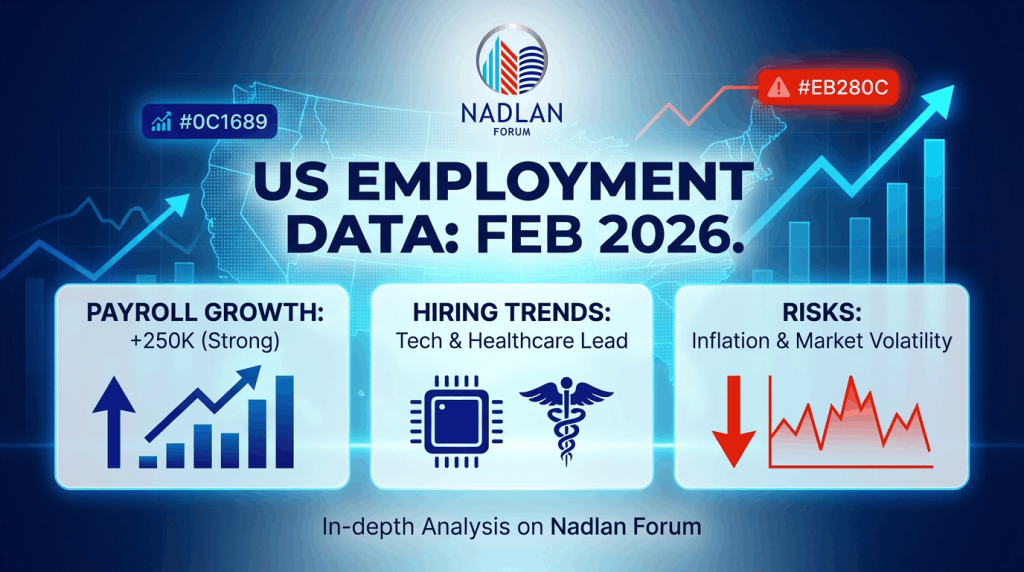
The U.S. Bureau of Labor Statistics reported that 130,000 jobs were added in January. Economists had expected around 70,000. The unemployment rate came in at 4.3%, slightly below the 4.4% forecast.
Under typical conditions, stronger job growth and lower unemployment suggest a solid economy. That usually means higher inflation risk and fewer rate cuts from the Federal Reserve. In turn, bond yields and mortgage rates tend to rise.
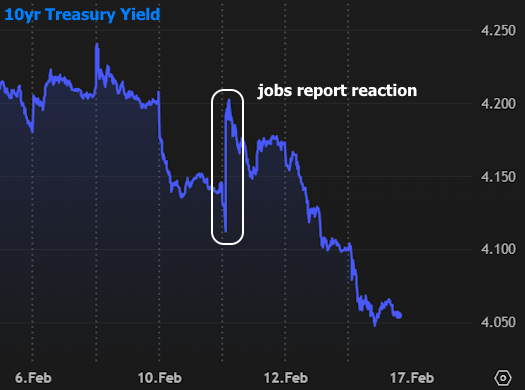
In fact, Treasury yields did jump immediately after the report was released. But within two days, those gains were erased.
By the end of the week, Treasury yields had fallen to some of the lowest levels seen in months. Mortgage rates followed, moving back near three-year lows.
Bond Market Reaction Was Unusual
Interest rates are driven by the bond market, especially U.S. Treasury yields. Mortgage rates tend to track the 10-year Treasury yield closely.
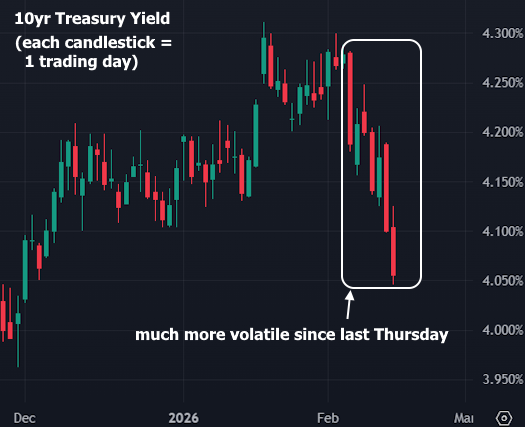
This week’s price action showed a sharp move up after the jobs report, followed by a steady move lower over the next two trading sessions. The result: rates ended the week lower instead of higher.
Even experienced bond market professionals have said the resilience was unexpected.
So what explains it?
Weak Economic Signals Outside the Headline
While the payroll number was strong, other data told a softer story.
Last Thursday, three labor-related reports showed signs of weakness. Then earlier in the week, retail sales came in lower than expected. Weak consumer spending can point to slower economic growth ahead.
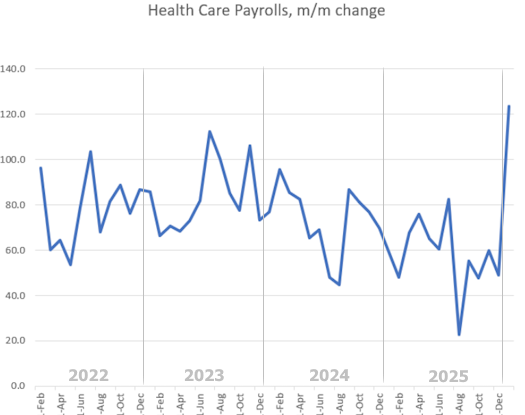
Looking deeper into the jobs report, there were also factors that may not repeat in future months:
- The healthcare sector added an unusually large number of jobs.
- That increase was more than double recent monthly averages.
- The unemployment rate trend remains gradually higher compared to past lows.
In other words, while the headline looked strong, underlying details were less clear.
Inflation Data Helped Push Rates Lower
Another key factor was inflation.
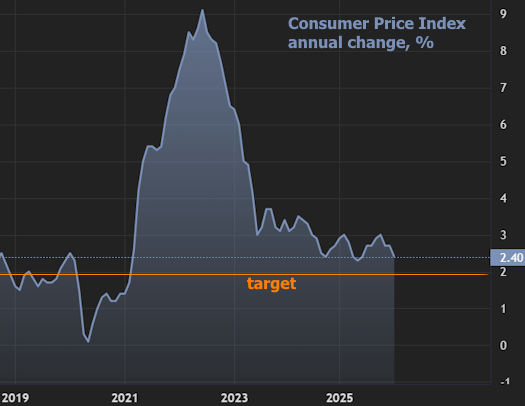
The Consumer Price Index (CPI), which measures inflation, came in lower than expected. Headline CPI was 0.2% below market forecasts. Inflation continues to move closer to the Federal Reserve’s 2% target.
Lower inflation reduces pressure on the Fed to keep rates high. That makes bonds more attractive and helps push yields lower.
Since mortgage rates are tied to bond yields, softer inflation data supports lower mortgage rates.
Stock Market Weakness Played a Role
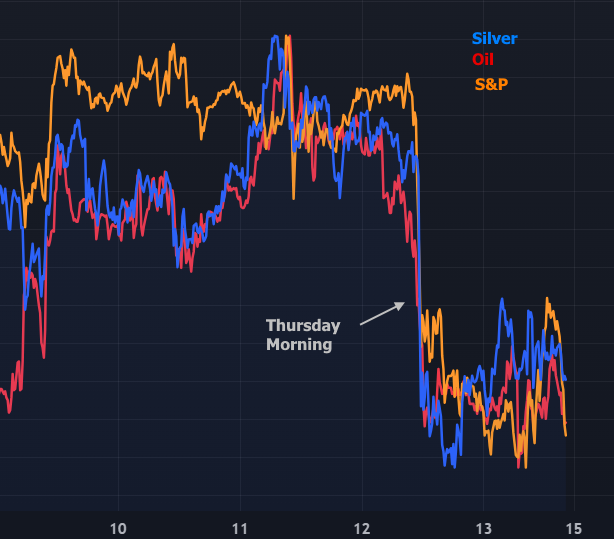
Thursday brought heavy selling in stocks and commodities. While stock declines do not always cause interest rates to fall, large market drops often push investors toward safer assets like U.S. Treasuries.
When investors buy bonds, bond prices rise and yields fall. That dynamic likely contributed to the drop in rates.
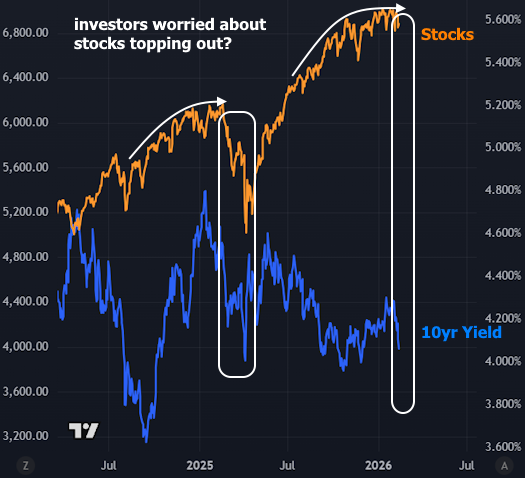
Some analysts believe investors may be growing cautious about the current stock market expansion. If markets sense that growth is slowing or risk is increasing, bonds tend to benefit.
Similar patterns have occurred in previous periods of volatility.
Holiday Weekend Volatility Adds Another Layer
Markets are heading into a three-day holiday weekend. Extended weekends can sometimes increase volatility as investors adjust positions ahead of lighter trading sessions.
That may have added to the unusual movement in yields this week.
What’s Next for Mortgage Rates?
When markets reopen next week, attention will shift to several new reports:
- Housing data throughout the week
- The first estimate of Q4 2025 GDP
- The Personal Consumption Expenditures (PCE) index, the Fed’s preferred inflation measure
If inflation continues to cool and economic growth slows, mortgage rates could remain near these recent lows. However, if data surprises to the upside, rates could move higher again.
For now, the key takeaway is simple: despite a stronger-than-expected jobs report, mortgage rates near 3-year lows show that bond markets are looking beyond headline numbers.
Investors appear focused on broader signs of slowing momentum, softer inflation, and shifting market sentiment.
Whether this trend continues will depend on upcoming economic data and how markets interpret it. For direct financing consultations or mortgage options for you visit 👉 Nadlan Capital Group.


















Responses