
Housing Market 2026: Renters Struggling with High Prices and Limited Mobility

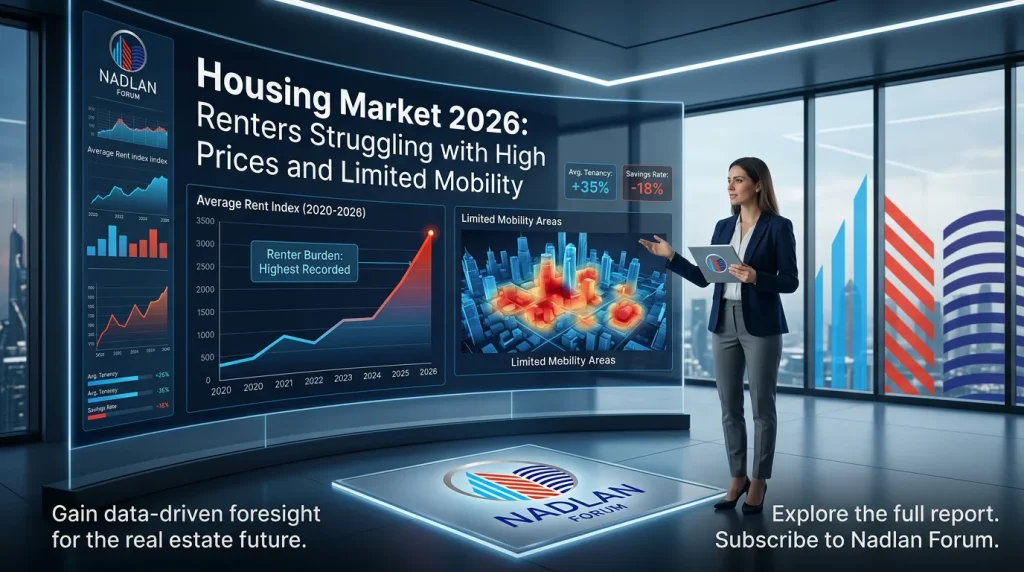
A new study from Realtor.com sheds light on the growing divides within the U.S. rental market, showing that affordability continues to be the primary issue for renters across the country. While homeownership remains out of reach for many, renters face different challenges depending on their household type, location, and income levels. The rental market is no longer a single, unified experience but has evolved into distinct segments where financial stability, location, and household demographics shape the renting experience.
Breaking Down the U.S. Rental Market: Young Renters, Family Renters, and Long-Term Renters
The report, which uses data from the 2024 American Community Survey, identifies three primary renter segments: young renters, family renters, and long-term renters. Each group experiences different pressures, with many unable to transition to homeownership due to rising costs and stagnant wages.
Young Renters: Facing Affordability in Coastal Markets
Young renters, who represent 31.9% of all U.S. renter households, are finding it increasingly difficult to navigate rising rent costs. While many have historically flocked to coastal cities like Los Angeles or New York, these markets are becoming less affordable for this group. As a result, young renters are flocking to more affordable inland cities that offer better job opportunities.
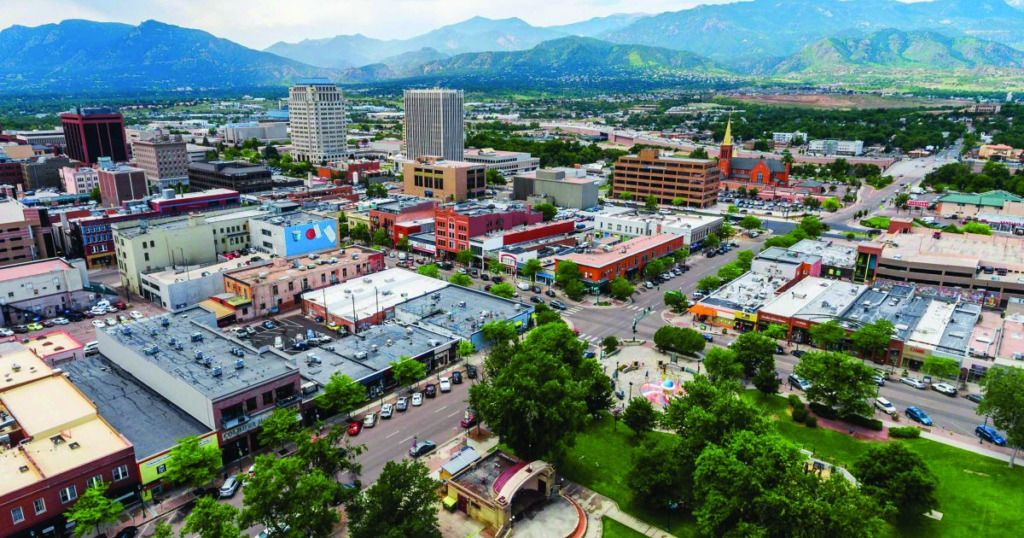
Cities like Colorado Springs, Austin, and Denver are leading the charge as the top destinations for young renters, with the average annual income for a young renter at $65,000. Despite these cities being more affordable than coastal areas, they still face rising housing costs, making it difficult for young individuals to save for homeownership.
Top 10 Metros for Young Renters
- Colorado Springs, CO: 45.7% of renters are under 34 years old
- Austin, TX: 44.6% of renters are under 34 years old
- Denver, CO: 43.5% of renters are under 34 years old
- Salt Lake City, UT: 41.7% of renters are under 34 years old
- Grand Rapids, MI: 41.7% of renters are under 34 years old
- Indianapolis, IN: 40.1% of renters are under 34 years old
- Des Moines, IA: 39.8% of renters are under 34 years old
- Columbia, SC: 39.5% of renters are under 34 years old
- San Antonio, TX: 38.7% of renters are under 34 years old
- Charleston, NC: 38.6% of renters are under 34 years old
These cities have become attractive due to their balance of affordability and strong job markets, with lower unemployment rates (3.6% in December 2025) than the national average (4.1%).
Family Renters: Struggling with High Home Prices and Low Mobility
Family renters account for the largest portion of renters at 44.3% of the market. However, these renters, often from minority backgrounds, face the highest barriers to homeownership. Family households are disproportionately concentrated in high-cost areas like Stockton, CA and Riverside, CA, where home prices have soared far beyond the reach of median-income families.
Additionally, systemic barriers like unequal access to credit and lower intergenerational wealth continue to perpetuate the homeownership gap. Many families feel “locked in place,” unable to afford homes in the markets where they currently reside.
Top Markets for Family Renters
- Stockton, CA: 63.3% of households are renters
- Riverside, CA: 61.7% of households are renters
- McAllen, TX: 61.0% of households are renters
These regions have the highest concentrations of family renters, where the demand for affordable housing continues to outstrip supply.
Long-Term Renters: Locked Into Below-Market Apartments
In the nation’s most expensive cities, long-term renters are becoming increasingly common. These tenants often stay in the same apartment for five or more years, unable to move due to the affordability gap. Renters in cities like New York and Los Angeles are particularly affected, with a high percentage of long-term tenants unable to vacate their apartments because they cannot afford the current market rates.
This “lock-in” effect is not limited to major cities. Overflow markets like Boston, Providence, and Worcester are also feeling the pinch as rising rents push tenants further away from their preferred locations.
The Cost of Living in Overflow Markets
- Bridgeport, CT: 43.9% of renters face affordability stress
- Providence, RI: 45.8% of renters face affordability stress
These areas are becoming overcrowded as tenants from expensive cities try to relocate to more affordable areas but find themselves stuck again due to rising rent prices.
Is Homeownership Still Within Reach?
While 75% of Americans still believe homeownership is part of the American Dream, the reality for many renters is that it’s becoming harder to achieve. The ongoing affordability crisis has created a situation where financial stability, not personal preference, determines where people live.
In conclusion, while some segments of the U.S. rental market may see more flexibility, the majority of renters are facing growing barriers to homeownership. Whether through rising rent prices, limited housing supply, or systemic barriers, renters across the country are finding it harder to break out of the cycle and achieve the dream of owning a home. For direct financing consultations or mortgage options for you visit 👉 Nadlan Capital Group.






















Responses