
Interest Rate Policy in 2026: Labor Market Slowdown Raises Pressure on the Fed

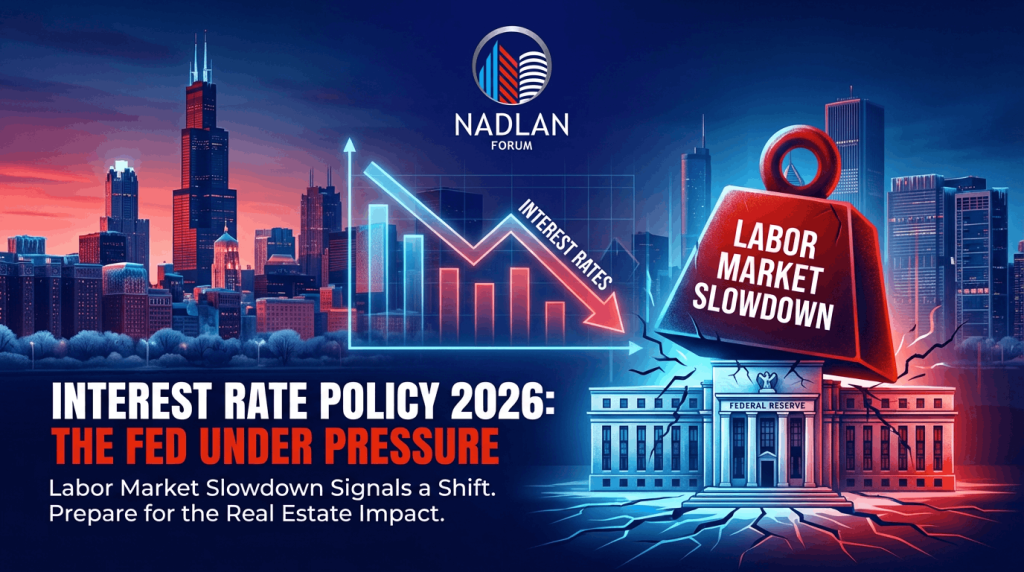
The latest U.S. employment data is increasing pressure on the Federal Reserve to consider additional interest rate cuts. After the February jobs report revealed a significant decline in payrolls, some policymakers believe the central bank should focus more on supporting the labor market.
The February employment report showed a loss of 92,000 jobs, raising concerns that hiring momentum may be slowing. Following the report, Federal Reserve Governor Stephen Miran said the weak labor data strengthens the argument for easing monetary policy.
Speaking in a recent television interview, Miran explained that current economic conditions suggest the central bank should move closer to a neutral interest rate stance, rather than maintaining a restrictive policy designed to fight inflation.
Weak Jobs Data Raises Questions About Economic Momentum
The U.S. Bureau of Labor Statistics reported that nonfarm payrolls declined by 92,000 in February, marking one of the weakest monthly job reports in recent months.
The decline surprised many economists who had expected moderate job growth.
While employment figures can fluctuate from month to month, the report suggested that the labor market may be showing signs of slowing, which could influence the Federal Reserve’s approach to interest rates.
According to Miran, the central bank should prioritize supporting employment conditions if the labor market begins to weaken.
He indicated that a slightly lower interest rate environment could help stabilize hiring and encourage continued economic growth.
Current Federal Reserve Interest Rate Levels
The Federal Reserve’s main policy rate currently sits within a target range of 3.5% to 3.75%. This follows three consecutive rate cuts during the second half of 2025, each reducing rates by a quarter percentage point.
Those reductions were intended to support economic activity after inflation showed signs of easing.
Miran believes the current policy stance remains somewhat restrictive and has suggested that interest rates should move closer to a neutral level, which he estimates to be about one percentage point lower than the current range.
Many Federal Reserve officials estimate the neutral interest rate to be around 3.1%, meaning additional rate cuts could still occur if economic conditions support that move.
Debate Within the Federal Reserve
The discussion about future rate cuts reflects a broader debate among Federal Reserve policymakers about how to balance inflation risks and economic growth.
While inflation has moderated compared with earlier years, policymakers remain cautious about lowering rates too quickly.
Miran has taken a more supportive stance toward additional rate reductions. Since joining the Federal Open Market Committee (FOMC), he has frequently advocated for more aggressive rate cuts than those approved by the committee.
In previous meetings, he supported larger half-percentage-point reductions rather than the smaller quarter-point adjustments adopted by most policymakers.
Even when the central bank chose not to cut rates earlier this year, Miran indicated he would have supported a reduction.
Inflation Concerns Still Part of the Discussion
Although Miran has expressed confidence that inflation is no longer the primary economic concern, some analysts remain cautious.
Inflation measures have slowed in recent months but have not fully returned to the Federal Reserve’s long-term target.
Miran argues that some inflation readings may be influenced by technical measurement factors rather than underlying economic pressures.
For example, he pointed to rising portfolio management fees as a component affecting inflation data. These fees are often calculated as a percentage of investment assets, meaning they increase when stock markets rise even if service rates remain unchanged.
In his view, this type of pricing change does not necessarily indicate broad inflation across the economy.
Oil Prices and Inflation Risks
Another issue influencing inflation expectations is the recent increase in global oil prices, which has been linked to geopolitical tensions in the Middle East.
Higher oil prices often lead to increased fuel costs for consumers and businesses, contributing to higher overall inflation readings.
However, Miran suggested that temporary spikes in energy prices may not require a strong policy response.
Historically, the Federal Reserve has focused more on core inflation, which excludes volatile food and energy prices and is considered a more reliable indicator of long-term price trends.
Short-term increases in oil prices typically have less impact on long-term inflation expectations unless they persist over extended periods.
Other Economic Views From Federal Reserve Officials
While Miran supports additional rate cuts, other Federal Reserve officials have offered different perspectives on the economic outlook.
Some policymakers believe the U.S. economy remains resilient and capable of maintaining steady growth.
For example, leaders within the Federal Reserve system have suggested that the economy could expand around or slightly above its long-term growth potential, which is generally estimated at about 2% annually.
Supporters of this view point to several factors supporting economic growth, including earlier interest rate reductions and changes in financial regulations.
These differing perspectives illustrate the ongoing debate about how quickly the central bank should adjust monetary policy.
Leadership Changes at the Federal Reserve
The Federal Reserve is also experiencing changes in leadership that could influence future policy discussions.
Miran joined the Federal Reserve Board after being nominated to fill the remaining term of a previous governor. Although that term has expired, he continues to serve until a permanent replacement is confirmed.
At the same time, discussions about future leadership of the central bank are underway.
A new nomination has been made for a position that could eventually replace the current Federal Reserve chair when the current term ends in the coming years.
Leadership transitions often bring new perspectives on economic policy and interest rate strategies.
What Comes Next for Interest Rates
Future interest rate decisions will depend on a combination of economic indicators, including:
- Employment growth
- Inflation trends
- Consumer spending
- Global economic conditions
The February jobs report may influence the Federal Reserve’s next policy meeting, but economists generally caution against drawing strong conclusions from a single month of data.
If future reports confirm a slowdown in hiring or economic growth, the case for additional interest rate cuts could strengthen.
For now, financial markets and policymakers will continue monitoring economic data closely as they assess the direction of U.S. monetary policy throughout 2026. For direct financing consultations or mortgage options for you visit 👉 Nadlan Capital Group.













Responses