
US Housing Finance Update: More Buyers Choose ARMs Over Fixed Rate Mortgages


US Housing Finance Update: More Buyers Choose ARMs Over Fixed Rate Mortgages
The U.S. housing market is seeing a shift in how buyers finance their homes, with more borrowers turning to adjustable-rate mortgages, or ARMs, even as overall mortgage rates show signs of easing.
Traditionally, ARMs become more popular when interest rates are rising. But in 2026, the trend is being driven less by rate direction and more by affordability challenges.
Recent data shows that ARMs now account for about 21 percent of mortgage activity, the highest level in several years.
The main reason behind this shift is simple—affordability.
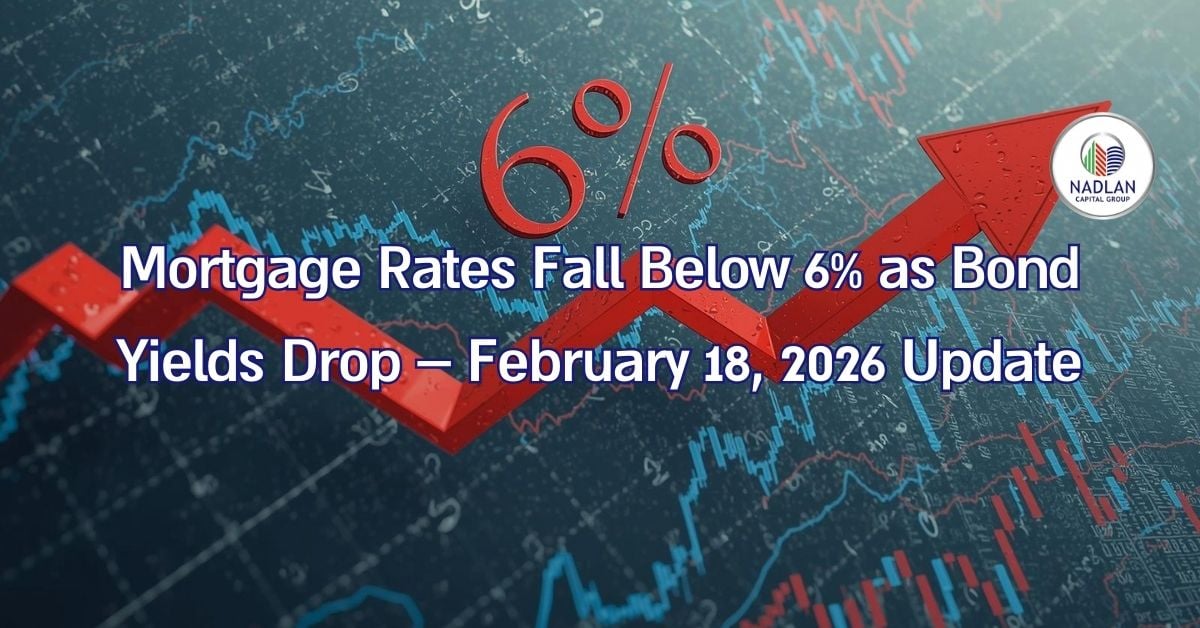
Even though 30-year fixed mortgage rates have moved closer to 6 percent, monthly payments remain high, especially in expensive housing markets. ARMs typically offer lower initial interest rates, which helps reduce monthly payments in the early years of the loan.
For many buyers, that lower upfront cost can make the difference between qualifying for a mortgage or not.
This is especially true in high-cost areas. In 2025, about 31 percent of mortgages in California were adjustable-rate loans, along with 24 percent in Massachusetts and nearly 28 percent in Washington, D.C.
In these regions, ARMs have become a practical solution rather than a niche product.
Many buyers are also changing their strategy. Instead of focusing on long-term rate stability, some are prioritizing short-term affordability and flexibility.
There’s an expectation that interest rates could decline in the future, making refinancing more attractive later on.
Modern ARMs also come with more safeguards than in the past. Most loans include fixed introductory periods—typically five or seven years—along with limits on how much rates can increase over time.
However, there are still risks to consider.
Once the fixed period ends, the interest rate can adjust based on market conditions, which means monthly payments could increase. This makes long-term financial planning more uncertain.
The trend is also strong in higher-priced homes. Nearly half of all mortgages above one million dollars are now adjustable-rate loans, showing that even higher-income buyers are looking for ways to manage costs.
Looking ahead, the popularity of ARMs will depend largely on where mortgage rates go next.
If fixed rates decline significantly, buyers may return to traditional 30-year loans. But if affordability challenges persist, ARMs are likely to remain an important option.
In simple terms, today’s buyers are adapting to a more expensive housing market—choosing flexibility and lower initial payments, while carefully weighing the risks for the future.
Our specialty is assisting you in easily obtaining the finest loan available, offering professional advice to help you reach your real estate investing objectives stress-free. Contact today for a tailored consultation, where our expert advice turns potential into profitable reality.
Continue reading on our site:
US Housing Finance Update: More Buyers Choose ARMs Over Fixed Rate Mortgages
#MortgageRates #HousingMarket #RealEstate #HomeLoans #Affordability
📊 Subscribe for Weekly Mortgage & Market Updates
We break down mortgage rate trends, inflation data, housing updates, and economic news backed by real numbers.
🔔 Start Here
📞 Free Investor Strategy Call
👉 https://calendly.com/contact-nadlancapitalgroup/nadlan-capital-group-free-consult-english-team
📝 Apply — One Application •🔍 If you’re looking to get the best possible mortgage in the U.S. for Foreign Nationals and Americans, and want to run an auction between more than 3,000+ lenders 👉https://nadlancapitalgroup.com/apply/
📲 Follow Nadlan Capital Group
LinkedIn: https://www.linkedin.com/in/forum-real-estate-usa/
Instagram: https://www.instagram.com/forumrealestateusa/
TikTok: @nadlancapital
Facebook: https://web.facebook.com/groups/769142779829550/
⚖️ Compliance
LiorLustig, CEO of NadlanCapitalGroup
For educational purposes only. Not financial advice.
Loan approval subject to underwriting guidelines.
Not a commitment to lend.




















Responses