
Cost-Conscious Renters: How Budget Pressure Is Changing the U.S. Rental Market

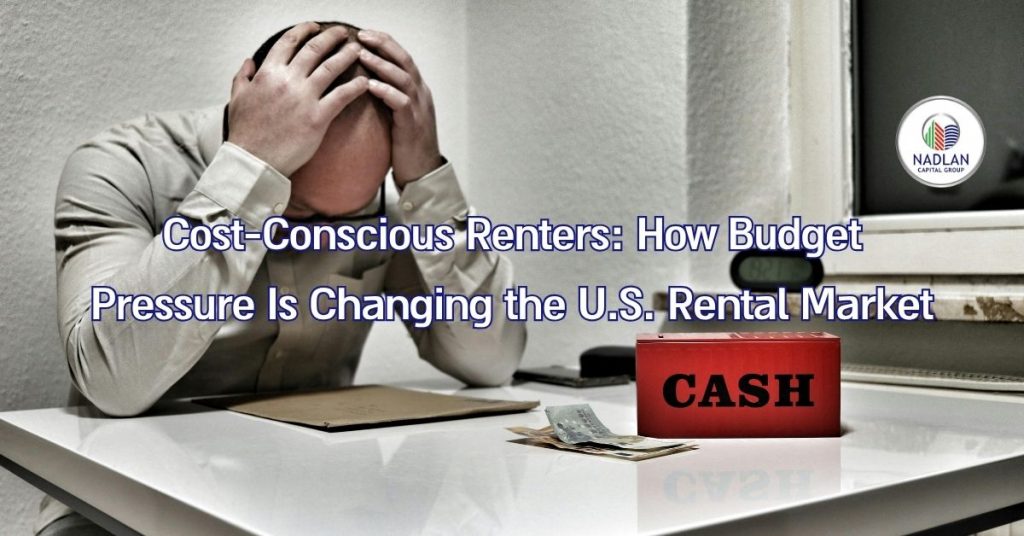
Changing Profile of U.S. Renters
The profile of renters in the United States is changing, and affordability is at the center of that shift. At the recent Multifamily Strategic Marketing Summit in Napa, housing expert Amanda Pendleton from Zillow shared insights that highlight how renters today are older, more settled, and more likely to stay in rental housing longer than before.
Data from Zillow’s latest Consumer Housing Trends Report shows that the median age of renters has reached 41. While younger renters still play an important role, their share is declining. At the same time, more people in their 40s, 60s, and even 70s are choosing to rent. Renting is no longer just a temporary step toward owning a home. Instead, it is becoming a long-term housing choice for many households.
Nearly 60% of renters who plan to move within the next year expect to continue renting. Even more notable, about one-third say they would still rent even if mortgage rates dropped. This signals a major shift in how people think about housing stability and financial planning.
Shifting Household Structure and Lifestyle Needs
Renters are not only getting older—they are also forming different types of households. Around 37% of renter households now include children, and many are searching for homes with partners or spouses. While Gen Z remains active in moving frequently, millennials and their families now represent a large portion of the rental market.
Pendleton explained that today’s renters are more likely to be parents, partners, or pet owners. Because of this, rental listings and marketing strategies must reflect a wider range of lifestyles. Properties that only target one group may struggle to attract long-term tenants.
Affordability Drives Rental Decisions
Rising Rent vs Income Growth
Despite slower rent growth in recent months, affordability continues to dominate renter decisions. Since the pandemic, average monthly rent has increased by about $400, or roughly 31%. However, income growth has not kept pace. Between 2019 and 2024, rent increased about 1.5 times faster than wages.
This gap has made renting more difficult for many households. In fact, the number of markets where renters need an income above $100,000 to afford housing has tripled. As a result, 93% of renters say staying within budget is their top priority.
Limited Mobility Among Renters
Financial pressure is also limiting mobility. About 69% of renters report that they cannot afford to move, even if they want to. This trend is contributing to longer lease durations and lower turnover in many rental markets.
New Expectations From Modern Renters
Demand for Pricing Transparency
While price is critical, renters are also placing more importance on value and transparency. Clear pricing is now a major factor in decision-making. Most renters prefer a single monthly payment that includes rent and essential fees, rather than dealing with unexpected costs later.
Trust plays a key role here. When renters understand exactly what they will pay, they feel more confident signing a lease. Hidden fees or unclear pricing can quickly turn potential tenants away.
Essential Amenities and Lifestyle Features
In addition to pricing, certain features are becoming standard expectations. Reliable internet access is now seen as essential rather than optional. Pet-friendly policies are also in high demand, reflecting the growing number of households with pets.
Community features are gaining attention as well. Renters are showing more interest in shared spaces, events, and opportunities to connect with neighbors. These elements can make a property stand out in a competitive market.
Mobile-First Search Behavior With Human Touch
Technology is changing how renters search for homes. About 73% of renters now use apps, and 81% rely on their phones during the search process. This shift toward mobile-first behavior means that property listings must be optimized for smaller screens and easy navigation.
However, digital tools do not replace the need for in-person experiences. More than half of renters say that visiting a property in person is still an important step before signing a lease. This shows that a balanced approach combining strong online presence with quality offline experiences—is key.
What Property Owners Should Do Next
The rental market is becoming more competitive, and renters have clearer expectations than ever before. To attract and retain tenants, property owners and operators need to focus on three main areas: affordability, transparency, and user-friendly digital experiences.
Understanding renter behavior is now essential. Those who adapt to these changes—by offering clear pricing, meeting lifestyle needs, and improving the overall rental experience—will be better positioned to succeed.
The message is simple. Cost-conscious renters are making careful financial decisions, and they expect real value. Property owners who respond to these needs will build stronger, longer-lasting relationships with their tenants. For direct financing consultations or mortgage options for you visit 👉 Nadlan Capital Group.






















Responses