
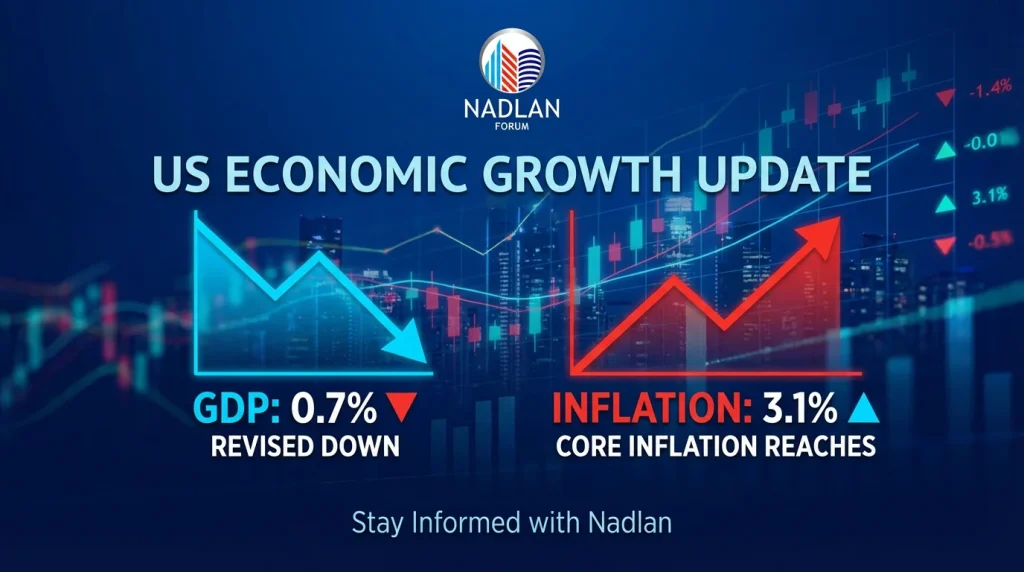
Core Inflation Hits 3.4% in May 2026: Fed’s Preferred Gauge Reaches Highest Level Since 2023

Inflation remained one of the biggest economic concerns in May 2026 as the Federal Reserve’s preferred price measure showed that underlying inflation continued to move higher. Although energy prices began easing later in June, the latest data indicates that inflationary pressures remained stronger than expected during May.
The newest Personal Consumption Expenditures (PCE) report shows that overall prices increased at the fastest annual pace in more than three years, reinforcing the Federal Reserve’s cautious approach toward future interest rate decisions.
At the same time, consumer spending remained resilient, suggesting that households continued to support economic growth despite higher prices and elevated borrowing costs.
Headline Inflation Accelerated in May
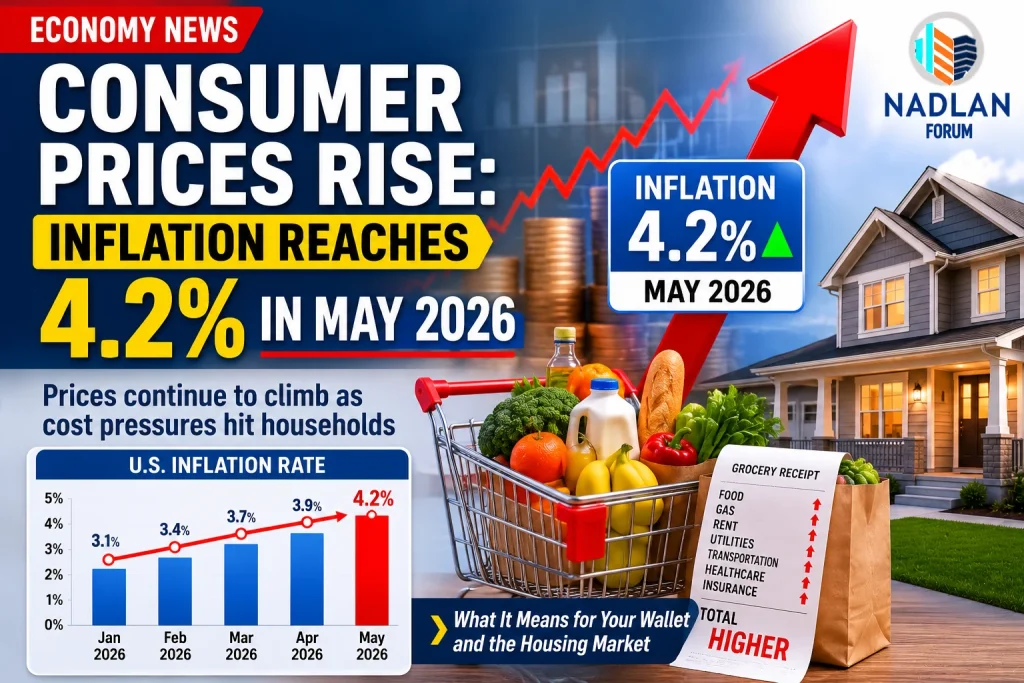
According to the latest economic data, the Personal Consumption Expenditures (PCE) Price Index increased 4.1% year over year in May 2026, matching economists’ expectations.
The reading was higher than April’s 3.8% annual increase and marked the strongest annual inflation rate since April 2023.
The increase highlights that inflation remains above the Federal Reserve’s long-term target despite several years of tighter monetary policy.
The PCE Price Index receives close attention because it measures changes in consumer spending across a broad range of goods and services while accounting for changing purchasing habits. For this reason, Federal Reserve officials generally rely on PCE more than the Consumer Price Index (CPI) when evaluating inflation trends.
Core PCE Also Moved Higher
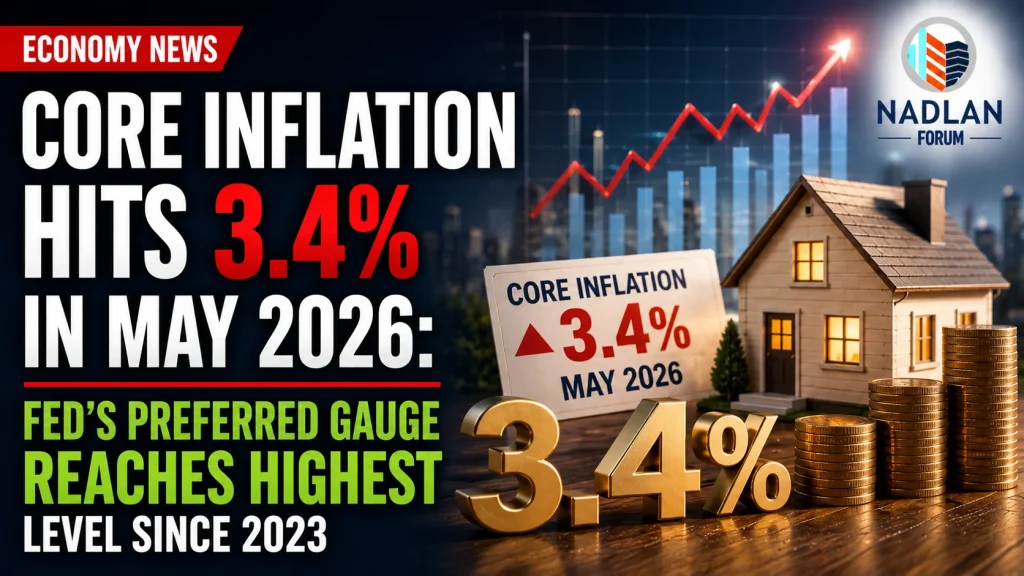
The Core Personal Consumption Expenditures (Core PCE) Index, which excludes the more volatile food and energy categories, increased 3.4% compared with one year earlier.
Economists had expected a slightly lower reading of approximately 3.3%, making the latest report another sign that underlying inflation remains persistent.
Core inflation is considered one of the most important indicators because it provides a clearer picture of long-term pricing trends without the short-term swings caused by fuel and food prices.
Although inflation has moderated significantly from its peak in previous years, current readings suggest that price pressures have not fully returned to levels consistent with the Federal Reserve’s inflation objective.
Energy Prices Could Help Lower Future Inflation
While May’s inflation numbers were stronger than expected, economists believe conditions improved during June.
Oil prices declined after geopolitical tensions eased and shipping activity through the Strait of Hormuz began stabilizing.
Because roughly one-fifth of the world’s oil supply passes through this important shipping route, any disruption can quickly affect global energy prices.
Lower crude oil prices generally reduce transportation, manufacturing, and operating costs across the economy. Those savings can gradually filter through to consumers in the form of slower price increases for gasoline, goods, and services.
Since the May inflation report does not include these more recent energy price declines, economists expect upcoming inflation reports to better reflect the improvement.
Federal Reserve Continues to Watch Inflation Closely
The latest inflation data reinforces the Federal Reserve’s cautious position on interest rates.
Although inflation has fallen considerably from the highs experienced in 2022 and 2023, officials continue emphasizing that they need stronger evidence showing inflation is moving consistently toward their long-term target before considering additional rate cuts.
Higher-than-expected inflation could encourage policymakers to keep benchmark interest rates elevated for a longer period.
That decision would likely influence borrowing costs across the economy, including mortgages, auto loans, business financing, and credit cards.
Financial markets will closely monitor upcoming inflation reports to determine whether May represented a temporary increase or the beginning of another period of persistent inflation.
Consumer Spending Remains Strong
Despite higher prices, American consumers continued spending throughout May.
After adjusting for inflation, real consumer spending increased 0.3% from April, indicating that households continued purchasing goods and services at a healthy pace.
Consumer spending remains one of the largest contributors to U.S. economic growth, accounting for roughly two-thirds of overall economic activity.
Steady spending suggests that many households continue benefiting from a relatively strong labor market, stable wage growth, and ongoing demand for goods and services.
As long as consumers remain active, the economy is likely to continue expanding, although stronger demand can also make inflation more difficult to reduce.
Personal Income Also Improved
The report included another encouraging development.
After several months of little improvement, inflation-adjusted personal income increased 0.3% during May, marking the first monthly gain in four months.
Higher real incomes give consumers additional purchasing power after accounting for inflation.
If income growth continues alongside moderating inflation, households could experience gradual improvements in overall financial conditions during the second half of 2026.
Stronger incomes may also help support continued consumer spending without relying as heavily on savings or credit.
What This Means for Mortgage Rates
Inflation remains one of the biggest factors influencing mortgage rates.
When inflation runs above expectations, bond yields often move higher because investors demand greater returns to offset future inflation risks.
Since mortgage rates generally follow movements in the 10-year U.S. Treasury yield, persistent inflation can keep home financing costs elevated even if the Federal Reserve eventually lowers short-term interest rates.
For prospective homebuyers, that means borrowing costs may remain relatively high until inflation shows more consistent improvement over several months.
Mortgage lenders and financial markets will continue watching inflation reports closely before adjusting long-term rate expectations.
Markets Are Watching the Second Half of 2026
Although May’s inflation report came in stronger than expected, many economists believe it could represent the peak of the latest inflation cycle.
Lower energy prices, improving supply chains, and easing geopolitical tensions may help slow inflation during the second half of the year.
However, inflation trends remain highly dependent on several factors, including:
- Oil prices
- Consumer spending
- Labor market conditions
- Wage growth
- Global trade
- Federal Reserve policy
- International geopolitical developments
If inflation begins slowing again over the coming months, financial markets may become more confident that interest rates can gradually decline.
Final Thoughts
The May 2026 inflation report shows that price pressures remain stronger than many economists had hoped, with headline PCE inflation reaching 4.1% and Core PCE rising to 3.4%, the highest underlying inflation reading in several years.
Even so, there are signs that inflation could begin easing in the months ahead as energy prices fall and supply conditions improve.
For consumers, businesses, investors, and homebuyers, future inflation reports will play a critical role in shaping expectations for interest rates, mortgage costs, and the broader U.S. economy throughout the remainder of 2026. For direct financing consultations or mortgage options for you visit 👉 Nadlan Capital Group.

















Responses