
Mortgage Rates Move Higher Again: 30-Year Fixed Climbs to 6.37% on June 3, 2026

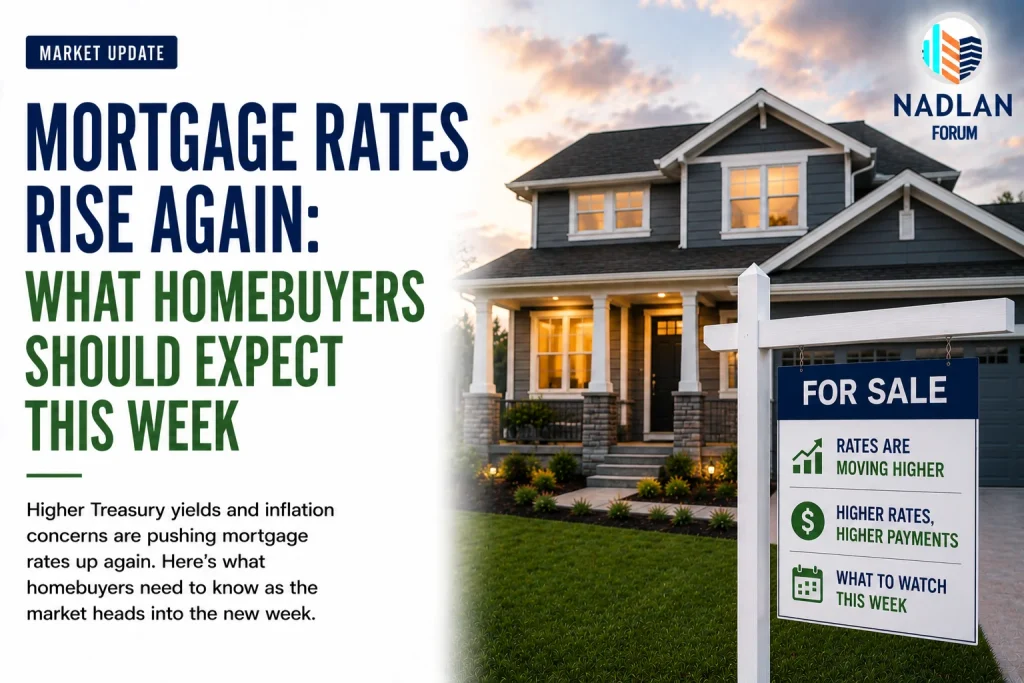
Mortgage rates moved higher on Wednesday, reversing part of the improvement borrowers saw earlier in the week. The latest increase pushed both purchase and refinance rates upward, adding new affordability pressure for homebuyers already facing elevated home prices and tight household budgets.
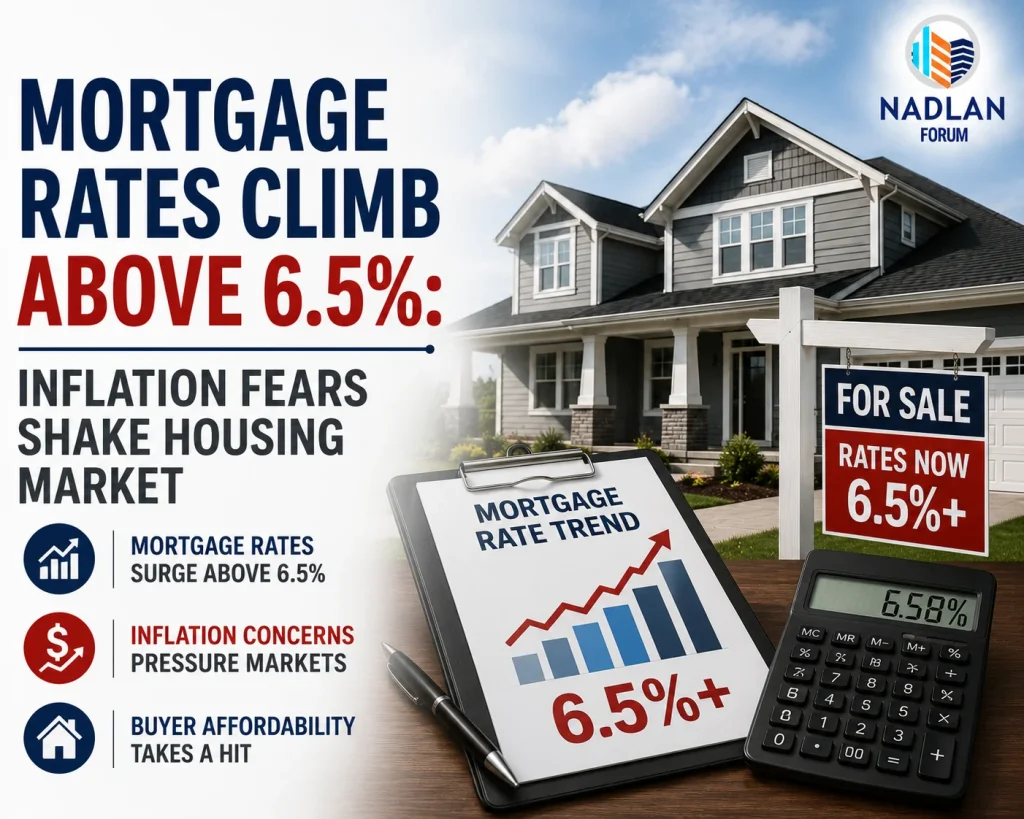
According to recent market data, the average 30-year fixed mortgage rate climbed to 6.37%, while shorter-term and adjustable-rate products also moved higher.
Although rates remain below some of the peaks seen earlier this year, the latest increase serves as a reminder that mortgage markets remain highly sensitive to economic data, inflation expectations, Treasury yields, and Federal Reserve policy outlooks.
Current Mortgage Rates on June 3, 2026
National average mortgage rates moved higher across several major loan products:
- 30-year fixed: 6.37%
- 20-year fixed: 6.17%
- 15-year fixed: 5.76%
- 5/1 ARM: 6.54%
- 7/1 ARM: 6.29%
- 30-year VA: 5.84%
- 15-year VA: 5.47%
The increase follows a brief period of declining rates that gave buyers some relief after several weeks of volatility.
Refinance Rates Also Increased
Homeowners considering refinancing also saw rates move upward.
Current average refinance rates include:
- 30-year fixed refinance: 6.34%
- 20-year fixed refinance: 6.17%
- 15-year fixed refinance: 5.76%
- 5/1 ARM refinance: 6.36%
- 7/1 ARM refinance: 5.85%
- 30-year VA refinance: 5.82%
- 15-year VA refinance: 5.43%
While refinance rates are often slightly higher than purchase rates, that relationship can vary depending on market conditions and lender pricing.
What the Latest Increase Means for Buyers
Even small rate increases can have a noticeable impact on monthly housing costs.
For example, a borrower financing a $340,000 mortgage after a 20% down payment on a $425,000 home would now face a monthly principal and interest payment of approximately $2,117 at current rates.
When property taxes, homeowners insurance, and other housing expenses are added, total monthly housing costs can exceed $2,600.
For many households, these higher borrowing costs continue to create affordability challenges despite modest improvements seen earlier this year.
Why Mortgage Rates Are Moving
Mortgage rates are influenced by several key factors, including:
Treasury Yields
Mortgage pricing closely follows movements in U.S. Treasury yields, particularly the 10-year Treasury note. When yields rise, mortgage rates often move higher as lenders adjust pricing.
Inflation Expectations
Persistent inflation remains one of the biggest concerns for financial markets. Investors continue to monitor energy prices, consumer spending, and inflation reports for clues about future Federal Reserve policy.
Federal Reserve Outlook
Although the Federal Reserve does not directly set mortgage rates, its decisions heavily influence borrowing costs throughout the economy. Markets continue to debate whether policymakers will maintain current rates for an extended period or potentially tighten policy further if inflation remains elevated.
Economic Growth and Employment
Strong labor market data and resilient economic activity can place upward pressure on interest rates because they reduce expectations for future rate cuts.
Fixed-Rate Mortgages Remain the Most Popular Choice
Despite fluctuating interest rates, fixed-rate mortgages continue to dominate the market.
The primary benefits include:
- Predictable monthly payments
- Protection from future rate increases
- Easier long-term budgeting
A 30-year fixed mortgage remains the most common option because it provides lower monthly payments compared to shorter loan terms.
However, borrowers should understand that lower monthly payments come with a tradeoff: significantly higher interest costs over the life of the loan.
15-Year Mortgages Offer Long-Term Savings
Many borrowers continue to consider 15-year fixed mortgages because of their lower interest rates.
Advantages include:
- Lower interest costs
- Faster loan payoff
- Greater home equity accumulation
The challenge is affordability.
Because the loan is repaid over half the time, monthly payments can be substantially higher than those associated with a 30-year mortgage.
For buyers with strong income and stable finances, the long-term savings can be significant.
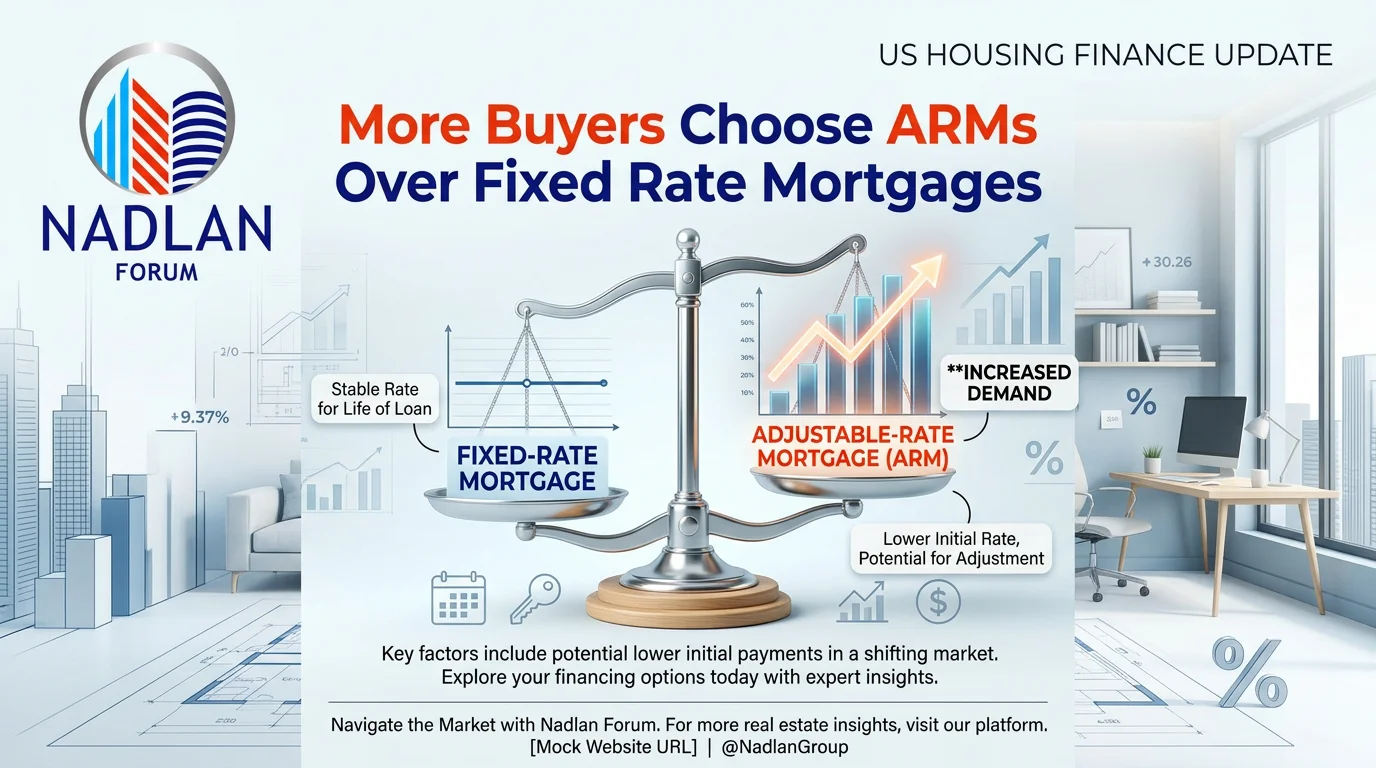
Adjustable-Rate Mortgages Face New Challenges
Adjustable-rate mortgages traditionally attract borrowers because of lower introductory rates.
However, current market conditions have narrowed or even eliminated that advantage.
In some cases, fixed-rate loans are now offering rates that are comparable to or lower than certain ARM products.
Borrowers considering an ARM should carefully review:
- Initial fixed period
- Adjustment schedule
- Rate caps
- Future payment risks
An ARM may still make sense for buyers planning to move or refinance before the adjustment period begins, but the decision requires careful evaluation.
Affordability Remains a Key Issue
The housing market continues to face affordability challenges despite recent improvements compared with last year.
Higher mortgage rates, elevated home prices, insurance costs, property taxes, and limited housing supply continue to affect many buyers.
While rates remain below some recent peaks, they are still significantly higher than the historically low levels seen during 2020 and 2021.
As a result, affordability remains one of the biggest obstacles for prospective homeowners in 2026.
Outlook for Mortgage Rates
Forecasts continue to suggest mortgage rates may remain relatively stable through the remainder of 2026, though volatility is expected.
Industry projections generally place average 30-year fixed rates in the low-to-mid 6% range over the coming months.
Future movements will likely depend on:
- Inflation trends
- Federal Reserve policy decisions
- Treasury market performance
- Economic growth
- Global geopolitical developments
For buyers and homeowners considering refinancing, rate changes can happen quickly. Monitoring market conditions and comparing offers from multiple lenders remains one of the most effective ways to secure favorable financing terms.
Bottom Line
Mortgage rates moved higher on June 3, 2026, with the average 30-year fixed rate rising to 6.37%. While the increase is modest, it highlights the ongoing volatility in the mortgage market and the continued affordability challenges facing homebuyers.
Borrowers who are actively shopping for a home or considering refinancing should continue monitoring rates closely, compare multiple lender offers, and evaluate both short-term affordability and long-term borrowing costs before making a decision. For direct financing consultations or mortgage options for you visit 👉 Nadlan Capital Group.












Responses