Dallas Fed President Signals Higher Interest Rates May Be Needed to Control Inflation

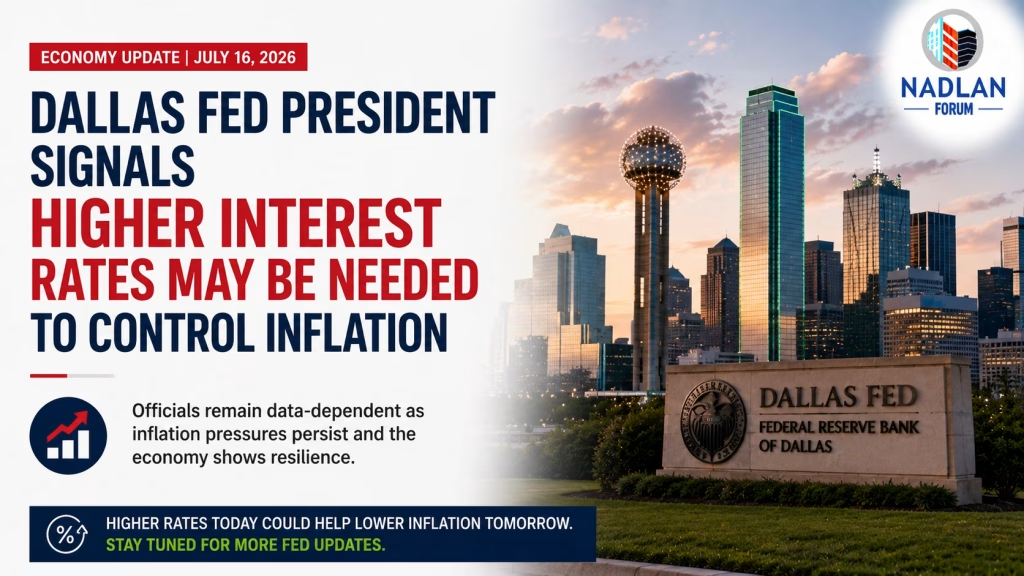
The Federal Reserve’s battle against inflation may not be over yet. Although the latest economic reports showed encouraging signs that price pressures are easing, Dallas Federal Reserve President Lorie Logan believes additional interest rate increases could still be necessary to fully restore price stability.
Her comments highlight the ongoing debate within the Federal Reserve as policymakers weigh whether recent improvements in inflation are enough to pause monetary tightening or whether additional action will be required later this year.
While some officials believe inflation has begun a lasting decline, others remain concerned that price growth is still too high and could become more persistent if interest rates are not kept restrictive.
Logan Says Inflation Remains Too High
Speaking in Houston, Logan said she currently supports modestly higher interest rates because inflation continues to place financial pressure on American households.
According to Logan, every month that inflation remains above the Federal Reserve’s long-term target reduces purchasing power and increases the cost of everyday living for consumers.
Although recent data has shown progress, she argued that one month of improvement is not enough to declare victory over inflation.
Instead, policymakers should remain focused on returning inflation to the Fed’s 2% target, even if doing so requires maintaining restrictive monetary policy for longer than markets currently expect.
June Inflation Data Showed Improvement
Logan’s comments came shortly after encouraging inflation reports for June.
The latest government data showed:
- Consumer prices declined 0.4% during June, marking the largest monthly decrease since April 2020.
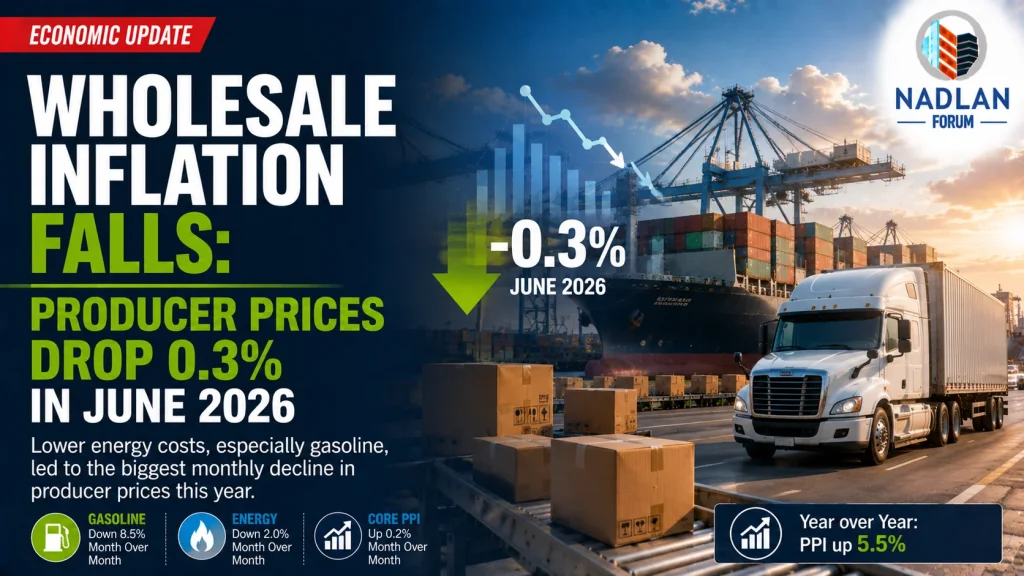
- Producer prices also fell 0.3%, reflecting lower wholesale costs.
- Falling energy prices played an important role in reducing overall inflation.
- Housing-related inflation also showed signs of easing after remaining elevated for an extended period.
These reports suggested that inflation pressures are gradually cooling after several years of unusually rapid price increases.
However, Federal Reserve officials continue to focus primarily on annual inflation rather than monthly changes.
Inflation Remains Well Above the Fed’s Goal
Despite June’s encouraging numbers, inflation remains significantly above the Federal Reserve’s long-term objective.
Compared with one year earlier:
- Consumer prices were still 3.5% higher.
- Producer prices remained 5.5% above year-ago levels.
Inflation has remained above the Fed’s 2% target since early 2021, making it one of the longest periods of elevated inflation in recent decades.
For that reason, Logan cautioned against assuming the problem has already been solved.
She emphasized that allowing inflation to remain elevated for too long could eventually require much more aggressive interest rate increases in the future, potentially creating greater risks for employment and economic growth.
Why Logan Supports Additional Rate Increases
Logan argued that modest policy tightening today could help prevent more severe action later.
If inflation expectations become permanently embedded in the economy, businesses may continue raising prices while workers seek larger wage increases, making inflation more difficult to control.
In that scenario, the Federal Reserve could eventually need to raise rates much more aggressively, increasing the risk of a sharper economic slowdown.
Her position reflects the Fed’s long-standing strategy of acting before inflation becomes deeply rooted rather than waiting until stronger measures become necessary.
Markets Still Expect Another Rate Hike
Financial markets continue to anticipate that the Federal Open Market Committee (FOMC) could raise interest rates once more before the end of 2026.
Current expectations suggest:
- The July 28–29 Federal Reserve meeting is unlikely to produce a rate increase.
- Investors see only a relatively small probability of action at the July meeting.
- Many analysts believe the next increase, if one occurs, is more likely during the September or October policy meetings.
Much will depend on upcoming inflation reports, employment data, consumer spending, and broader economic conditions during the coming months.
Fed Officials Continue to Debate the Outlook
While Logan favors keeping monetary policy restrictive, other Federal Reserve officials have expressed a more optimistic outlook.
New York Federal Reserve President John Williams recently said there are several reasons to believe inflation has already reached its peak.
Williams expects inflation to continue moving lower over the next several quarters without requiring significantly tighter monetary policy.
His forecast projects:
- Inflation easing to roughly 3.25% by the end of 2026.
- Continued progress toward the Fed’s 2% target during 2027.
- Inflation reaching approximately 2% by 2028.
Williams believes improving supply chains, moderating housing costs, and slower overall price growth should continue reducing inflation over time.
What Higher Interest Rates Mean for Consumers
If the Federal Reserve raises interest rates again later this year, borrowing costs across the economy could remain elevated.
Higher policy rates typically influence:
- Mortgage interest rates
- Auto loans
- Credit card rates
- Personal loans
- Business financing
- Home equity loans
Consumers considering major purchases may continue facing higher financing costs, while savers could benefit from stronger yields on savings accounts and certificates of deposit.
For the housing market, additional rate increases could further affect affordability by keeping mortgage rates above recent historical averages, even as inventory gradually improves.
Outlook
The Federal Reserve appears increasingly divided over how much additional policy tightening may be necessary.
Recent inflation reports have provided encouraging signs that price pressures are easing, but inflation remains above the central bank’s long-term target. As a result, upcoming economic data will play a critical role in determining whether policymakers decide to raise interest rates again later this year or leave them unchanged.
Until inflation moves closer to 2% on a sustained basis, Federal Reserve officials are expected to remain cautious, balancing the need to control prices while avoiding unnecessary harm to economic growth and the labor market. For direct financing consultations or mortgage options for you visit 👉 Nadlan Capital Group.
















Responses