
Property Tax Proposals Divide State Leaders: Voters Will Decide in November

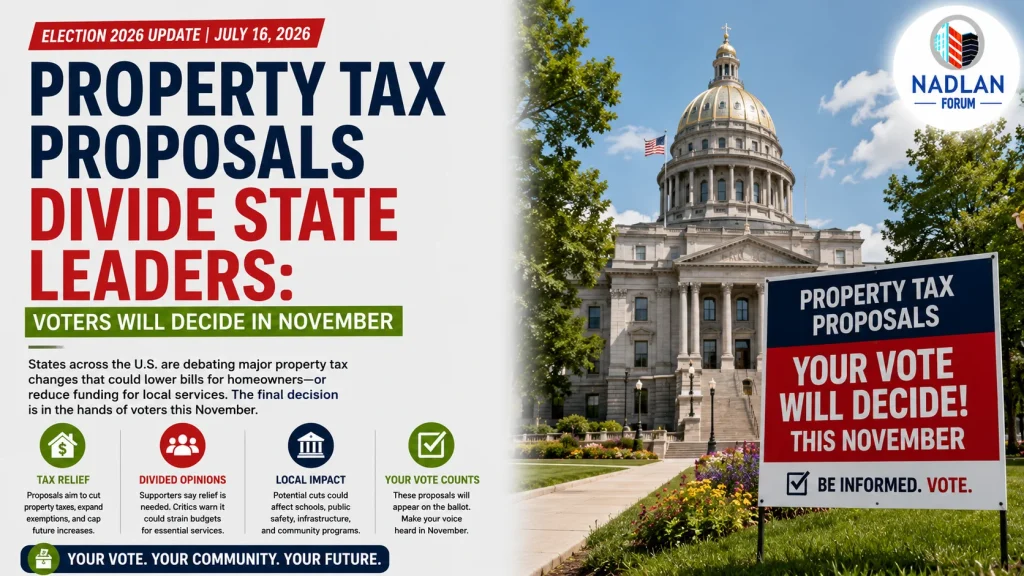
Property taxes are becoming one of the most important state and local issues heading into the November 2026 elections.
Voters across several states will consider proposals that could expand homeowner exemptions, limit future property tax increases, protect senior citizens, reduce taxes on certain types of property, or block states from creating new property taxes.
A broader review of the 2026 election cycle identified at least 27 state tax ballot measures, including proposals involving property taxes, income taxes, business taxes, and a proposed California wealth tax.
Many of the most closely watched measures focus on homeowners.
Supporters argue that property taxes have increased too quickly as home values, local assessments, and government budgets have grown. They say lower taxes would help working families, retirees, and homeowners who are struggling with high insurance, utility, maintenance, and mortgage costs.
Local leaders offer a different warning. Cities and counties rely heavily on property tax revenue to fund police, firefighters, roads, libraries, parks, schools, emergency services, and public infrastructure.
The November votes will therefore involve a difficult question: how much relief should homeowners receive, and which services should be reduced or funded through another source if local property tax revenue falls?
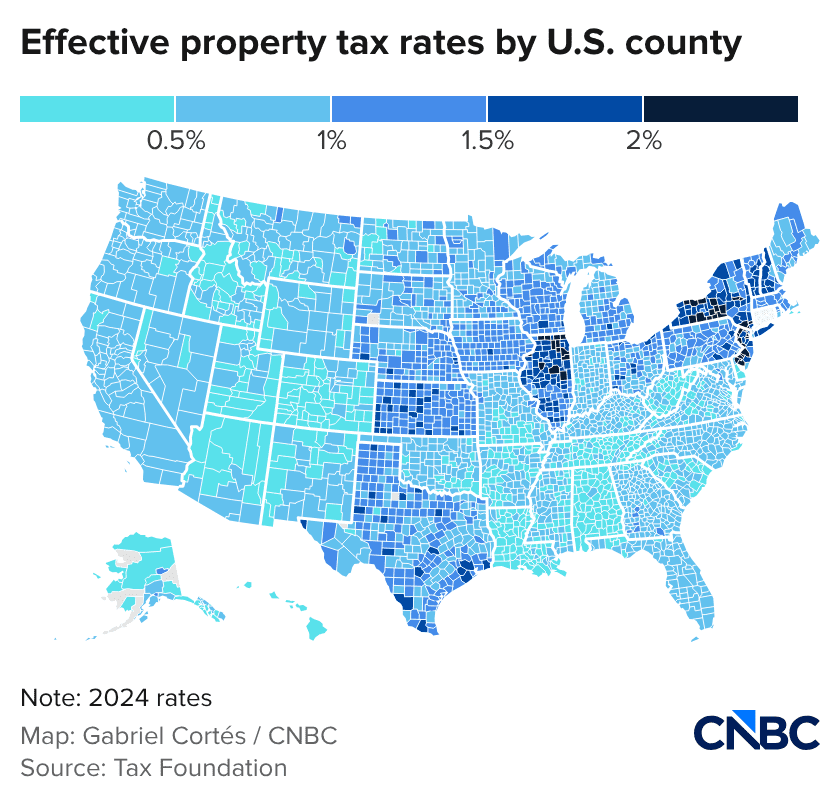
Property Taxes Become a Major Election Issue
Property taxes are primarily imposed by counties, cities, school districts, and other local government entities.
Unlike a mortgage payment, property taxes normally continue even after a homeowner fully repays the loan.
The amount owed usually depends on:
- The assessed value of the property
- Local tax rates
- Available exemptions
- Assessment limits
- School district taxes
- Special local levies
Home values increased rapidly in many areas after 2020. Even when local tax rates did not change, higher assessments caused many homeowners’ bills to rise.
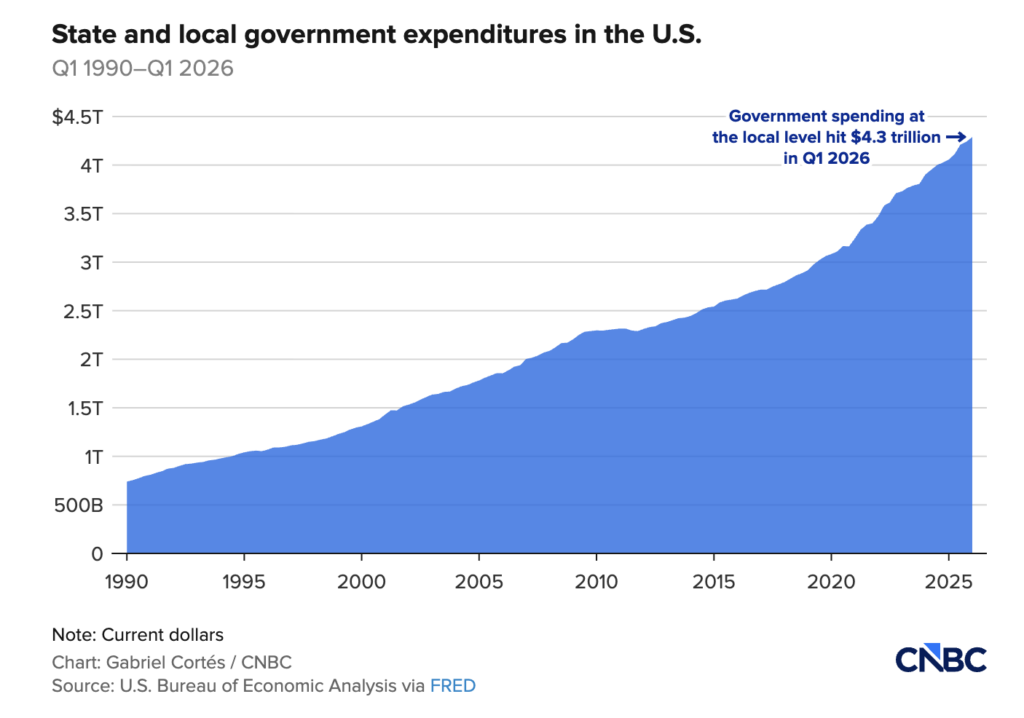
At the same time, some local governments increased spending because of higher employee wages, construction expenses, insurance costs, population growth, and demand for public services.
These combined pressures have made property taxes a growing concern for homeowners, especially those living on fixed incomes.
Several States Will Consider Tax Limits
Property-related ballot proposals are moving forward in states including Florida, Georgia, Louisiana, North Carolina, Oklahoma, Tennessee, and Wyoming.
The details vary significantly.
Some proposals would increase the amount of a home’s value that is exempt from taxation.
Others would limit how quickly local governments may increase property tax collections.
Several measures focus on older homeowners, agricultural property, business property, or primary residences.
Tennessee voters will consider a constitutional amendment that would prohibit the state government from imposing a property tax. The official proposal would amend Article II, Section 28 of the Tennessee Constitution.
North Carolina voters are also expected to decide whether the state constitution should require lawmakers to establish a limit on the growth of local property tax levies.
Tennessee Proposal Would Ban a State Property Tax
Tennessee’s proposed Amendment 2 would prevent the state from imposing a property tax in the future.
The state has not collected a state-level property tax for more than 75 years, so the measure would not immediately reduce the bills currently paid by homeowners.
Local governments would still be able to collect property taxes.
For that reason, the amendment is largely intended as a permanent constitutional protection rather than an immediate tax cut.
Supporters argue that placing the prohibition in the state constitution would prevent a future legislature from introducing a new statewide property tax.
Critics may view the amendment as unnecessary because Tennessee does not currently impose such a tax.
The measure is scheduled for the November 3, 2026 election.
Florida Amendment 3 Could Produce Large Savings
Florida’s Amendment 3 is one of the most significant property tax proposals expected on the November ballot.
The measure would create an additional homestead exemption for taxes collected by local governments other than school districts.
Under the proposal, the new exemption would be:
- $150,000 beginning in 2027
- $250,000 beginning in 2028
The amounts would apply to qualifying primary residences and would be added to existing exemptions.
The proposal would also reduce the annual assessment-growth cap for non-homestead property from 10% to 5%.
New Florida residents would generally need to satisfy a residency waiting period before receiving the full expanded exemption.
Because school taxes are excluded, homeowners would continue paying the school-related portion of their property tax bill.
Florida Voters Must Approve It by 60%
Florida constitutional amendments require approval from at least 60% of voters.
A simple majority would therefore not be enough for Amendment 3 to take effect.
Supporters say the measure would provide meaningful relief to homeowners who have experienced higher property taxes, insurance premiums, and general living costs.
Opponents are concerned about the scale of the revenue loss and how local governments would continue paying for services.
A Florida legislative analysis estimated that the proposal could reduce local government revenue by as much as $8.4 billion annually by 2028.
Over several years, the combined effect could reach tens of billions of dollars.
Florida Cities Warn About Service Cuts
Local government leaders in Florida have argued that the proposed exemption would remove a major part of their revenue base.
Property taxes support services such as:
- Police and fire departments
- Emergency medical services
- Roads and drainage
- Parks and recreation
- Libraries
- Affordable housing programs
- Homeless services
- Local government employees
Jacksonville Mayor Donna Deegan warned that a major reduction in property tax collections could create a large hole in the city budget.
Local officials argue that they may have limited options if the amendment passes.
They could reduce services, delay infrastructure projects, increase other fees, or seek replacement revenue from sales taxes and other sources.
The result may vary by city. Communities with strong tourism or commercial tax bases may have more alternatives than smaller cities that rely heavily on residential property taxes.
Supporters Say Local Spending Has Grown Too Fast
Supporters of Florida’s proposal argue that local government revenue has risen far faster than household incomes.
Gov. Ron DeSantis has repeatedly called for substantial property tax relief and has argued that local governments can provide essential services while spending less.
He has pointed to the large increase in local property tax collections and said homeowners should be allowed to keep more of their own money.
For a household paying several thousand dollars annually in non-school property taxes, a larger exemption could create meaningful yearly savings.
That money could be used for:
- Mortgage payments
- Home insurance
- Repairs and maintenance
- Food and utilities
- Healthcare expenses
- Retirement savings
- Consumer spending
DeSantis initially supported a broader plan that would have moved further toward eliminating property taxes on primary residences.
The proposal placed on the ballot is more limited and continues to protect school-related tax collections.
North Carolina Could Limit Local Tax Growth
North Carolina’s proposed constitutional amendment would require the General Assembly to establish a limit on the amount local property tax revenue could increase.
The ballot proposal itself does not establish the exact formula.
Instead, it would direct state lawmakers to create the limit through later legislation if voters approve the amendment.
Supporters say some counties and municipalities have increased property tax collections too aggressively after home values rose.
They argue that households should not automatically face large tax increases simply because their properties became more valuable on paper.
The proposal is intended to place stronger controls on future local tax growth.
Local Governments Say Flexibility Is Necessary
North Carolina counties and cities have raised concerns about losing control over their own budgets.
Property tax revenue is often the largest and most dependable source of local funding.
It helps governments borrow money for long-term projects and maintain strong credit ratings.
A state-imposed limit could make it harder for fast-growing communities to respond to increased demand for:
- Schools
- Fire stations
- Libraries
- Roads
- Public safety employees
- Water and sewer systems
- Parks
- Emergency services
Wake County officials have warned that property taxes fund a large majority of the county’s annual operations.
They argue that a strict limit could force service reductions or delay capital projects needed to support population growth.
Property Tax Growth Does Not Affect Every Owner Equally
Rising property taxes can be especially difficult for homeowners whose incomes do not increase with property values.
A retired homeowner may live in a house purchased decades ago that is now worth several times its original price.
Although the owner appears wealthier because of the home’s market value, that increase may not provide additional monthly income.
The homeowner may therefore struggle to pay higher taxes, insurance, repairs, and utility bills.
Younger homeowners may face a different challenge.
Many recently purchased homes at high prices and mortgage rates. A rising property tax bill can make an already expensive monthly payment even harder to manage.
Renters can also be affected because landlords may pass higher property taxes into monthly rent.
Tax Cuts May Shift Costs Elsewhere
Reducing property taxes does not always reduce the total cost of government.
If cities and counties continue providing the same services, they may need to replace the lost revenue.
Possible alternatives include:
- Higher sales taxes
- Increased utility charges
- New service fees
- Special assessments
- Higher business taxes
- Tourism taxes
- Reduced public employment
- Delayed infrastructure investment
Some of these alternatives may place a larger burden on renters or lower-income households.
Sales taxes, for example, consume a greater share of income for families that spend most of their earnings on basic goods and services.
Voters will therefore need to consider not only whether a proposal lowers property taxes, but also how governments may respond afterward.
Wyoming Proposal Targets Primary Residences
Wyoming voters are expected to consider a proposal involving property tax relief for owner-occupied primary residences.
The measure could create a substantial exemption for homeowners while reducing future revenue for state and local governments.
Estimates cited during the ballot debate suggest that the proposal could reduce public revenue by at least $188 million by 2030.
Supporters argue that Wyoming homeowners need protection from rapidly increasing assessments.
Opponents warn that local governments, schools, and public services may face funding difficulties unless the state replaces the revenue.
The debate reflects a broader national problem.
States want to protect homeowners from large tax increases, but local governments still need stable funding to operate.
Agricultural Property Is Also Part of the Debate
Another Florida proposal would exempt certain tangible personal property used in agriculture or agritourism from property taxes.
This could include eligible machinery, equipment, or other business property used in farming-related operations.
The measure is expected to reduce government revenue by approximately $96.9 million by 2030, based on estimates included in the policy discussion.
Supporters argue that farmers face high equipment, fuel, insurance, and land costs and should receive additional tax relief.
Critics may question whether the benefit should be targeted more narrowly or whether local governments can afford the reduction.
California Wealth Tax Draws National Attention
Although most of the 2026 tax proposals focus on reducing or limiting taxes, California’s Proposition 40 would move in the opposite direction.
The proposal would impose a one-time 5% tax on the wealth of qualifying billionaire residents.
The measure has attracted national attention because it represents a direct tax on accumulated wealth rather than annual income or property value.
Supporters argue that extremely wealthy residents should contribute more toward public programs.
Opponents warn that the tax could encourage wealthy residents to leave California, reduce investment, or create legal and administrative challenges.
The proposal differs significantly from the homeowner-focused property tax measures appearing in other states.
Homeowners Must Balance Savings and Services
For many voters, the immediate appeal of lower property taxes is easy to understand.
A lower bill can reduce the annual cost of owning a home and may help people remain in properties they might otherwise be forced to sell.
However, the effect on local services may be less visible at first.
A city may respond gradually by delaying road repairs, leaving open positions unfilled, reducing library hours, postponing park improvements, or slowing emergency response investments.
The central policy issue is whether governments can absorb the revenue loss through improved efficiency or whether residents will experience a noticeable decline in public services.
Previous Tax Measures Show Mixed Results
Recent election results show that voters do not automatically support every tax change.
In 2026, Oregon voters rejected a proposal involving higher fuel and public transportation payroll taxes.
Louisiana voters also rejected an amendment that would have allowed local governments to exempt certain business inventory from property taxes.
These results suggest that voters may be cautious when proposals significantly alter existing tax systems.
However, measures offering direct and easily understood homeowner relief have performed better in several recent elections.
Texas Voters Supported a Larger Homestead Exemption
In 2025, Texas voters approved Proposition 13, which increased the homestead property tax exemption from $100,000 to $140,000.
The proposal received support from nearly 80% of voters.
A homestead exemption reduces the taxable value of a qualifying primary residence.
For example, if a home is assessed at $400,000 and receives a $140,000 exemption, the applicable taxing authority calculates the covered tax using a lower value.
The actual savings depend on local tax rates and which taxes are covered by the exemption.
The strong result in Texas suggests that voters may respond favorably to measures that provide clear savings without fully eliminating a major source of local revenue.
Georgia Voters Also Approved Tax Relief
Georgia voters approved a 2024 proposal increasing the personal property tax exemption from $7,500 to $20,000.
More than 64% supported the change.
Arizona voters also approved a measure allowing some homeowners to request property tax refunds when local governments fail to enforce certain public nuisance laws.
These measures show that targeted relief may receive broad support when voters understand the benefit and believe the fiscal effect is manageable.
North Dakota Rejected a Broad Property Tax Ban
Not every conservative state has approved aggressive property tax limits.
North Dakota voters rejected a 2024 proposal that would have effectively prohibited local governments from collecting property taxes.
Opponents argued that eliminating such an important source of revenue would create too much uncertainty for schools, cities, counties, and emergency services.
The result suggests that voters may support tax relief while remaining cautious about measures that go too far.
Incremental reductions, exemptions, and limits may therefore be more politically attractive than full elimination.
Fiscal Information Can Change Voter Support
Public opinion may shift when voters learn how much a proposal could cost local governments.
A University of North Florida poll tested support for Florida’s property tax plan.
When respondents were initially told the measure would eliminate certain taxes on homestead property while protecting school taxes, 61% supported it and 32% opposed it.
After respondents received information about the potential local government budget effect, support fell to 45%, while opposition increased to 47%.
This result shows that the wording and explanation of a ballot measure may strongly affect how people vote.
Homeowners may initially focus on personal savings. Once they learn about possible service reductions or replacement taxes, the decision can become more difficult.
Property Tax Relief Could Affect Housing Affordability
Supporters often present property tax cuts as part of a broader response to the housing affordability crisis.
Monthly housing costs have increased because of:
- Higher home prices
- Mortgage rates above 6%
- Rising homeowners insurance
- Maintenance and repair expenses
- Homeowners association fees
- Higher property taxes
Reducing one of these costs could help existing owners and make monthly payments more manageable for buyers.
However, property tax reductions do not directly lower home prices.
In some cases, buyers may be willing to pay more for homes if future tax bills become lower, allowing part of the benefit to appear in higher property values.
The long-term affordability effect will depend on housing supply, insurance, mortgage rates, and the structure of each tax proposal.
Renters Could Also Feel the Impact
The debate is not limited to homeowners.
Landlords normally include property taxes when calculating rents.
If property taxes decline on rental property, some owners may face less pressure to raise rents. However, there is no guarantee that tax savings will be passed directly to tenants.
If tax cuts apply only to owner-occupied homes, renters may receive little direct benefit.
They could also face higher local sales taxes or service fees if governments seek replacement revenue.
At the same time, reduced funding for public transportation, parks, libraries, and other services may have a significant effect on renters who depend on those programs.
Senior Homeowners May Receive Special Protection
Several states are considering or expanding exemptions for older homeowners.
Senior-focused tax relief can help residents remain in their homes after retirement, particularly when they live on Social Security, pensions, or other fixed income.
Common forms of relief include:
- Freezing assessed values
- Increasing homestead exemptions
- Deferring taxes until the property is sold
- Limiting annual tax increases
- Providing income-based credits
These programs are more targeted than broad property tax cuts and may cost governments less.
However, they can also shift a greater share of the tax burden onto younger homeowners, renters, or businesses.
Local Control Is a Central Issue
Many property tax proposals would transfer some decision-making power from local governments to state legislatures or state constitutions.
Supporters say statewide limits are necessary because local officials may not voluntarily control tax growth.
Opponents argue that communities have different needs and should be allowed to set their own budgets.
A rapidly growing county may need new schools, roads, fire stations, and utility systems.
A rural county with little population growth may have very different financial requirements.
A single statewide limit may not respond equally well to both situations.
Voters Will Decide How Far Tax Relief Should Go
The November ballot measures represent different approaches to the same basic problem.
Homeowners want protection from tax bills that rise faster than their income.
State leaders want to respond to voter concerns about affordability.
Local governments want enough revenue to maintain services and infrastructure.
The strongest debate will likely center on whether proposed cuts are carefully targeted or too large to manage without serious consequences.
Measures that provide direct relief while preserving essential services may receive broad support.
Proposals associated with large or unclear budget losses could face more resistance.
Bottom Line
Property taxes are positioned to become a major issue during the November 2026 elections.
Voters in multiple states will consider proposals that could expand homestead exemptions, limit local tax growth, provide special relief, or prevent future state property taxes.
For homeowners, the measures could reduce one of the largest continuing costs of property ownership.
For cities and counties, the same proposals could remove billions of dollars used for roads, schools, public safety, libraries, housing programs, and other services.
The final outcome will depend on whether voters believe local governments can operate with less revenue—and whether the promise of lower property taxes outweighs concerns about the public services those taxes support. For direct financing consultations or mortgage options for you visit 👉 Nadlan Capital Group.





















Responses