
Sens. Booker and Cassidy Seek Public Feedback on Flood Insurance Reform

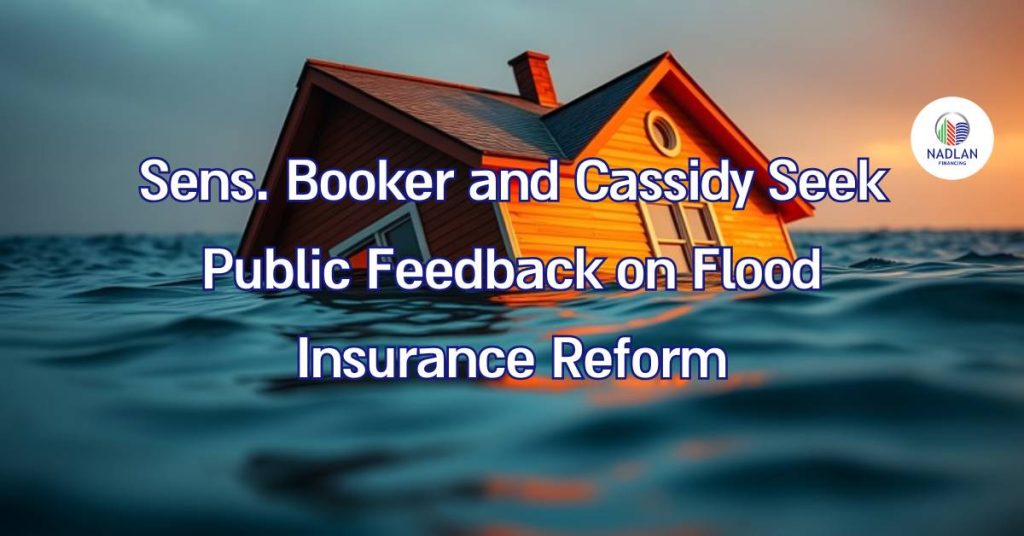
U.S. Senators Cory Booker of New Jersey and Bill Cassidy of Louisiana are actively requesting input from the public as they prepare a bipartisan proposal to modernize and reform the National Flood Insurance Program (NFIP). The initiative aims to make flood insurance more affordable, accessible, and effective for communities nationwide, particularly for low- and middle-income families who often face the steepest coverage costs.
The bipartisan legislation under consideration seeks a broad set of improvements to the NFIP, including strategies to reduce premiums, expand uninterrupted coverage, and encourage investments in pre-disaster mitigation. These measures are intended to strengthen the resilience of communities against increasingly frequent flooding events and severe weather, while also providing greater financial predictability for homeowners and small business owners.
“Rising flood insurance costs are a pressing concern for families and businesses across New Jersey,” said Senator Booker. “Through bipartisan collaboration, we aim to modernize the NFIP to make coverage more affordable and reliable. Public input is critical as we shape policies that reflect the experiences and priorities of those most affected. I encourage New Jersey residents to share their perspectives so we can develop commonsense solutions that protect families and communities from the devastating impact of floods.”
Public Participation and Feedback
Senators Booker and Cassidy have issued a detailed letter to stakeholders and interested parties outlining the NFIP’s current structure, the types of input sought, and proposed reforms. Citizens have until September 15 to submit feedback through an online portal that provides information on the NFIP and allows for direct public input. This feedback will help lawmakers ensure that policy decisions are informed by the real-world experiences of those living in flood-prone areas.
Proposed Changes to the NFIP
Among the proposals being considered as part of the program’s five-year reauthorization are:
- Caps on Yearly Premium Increases: Limiting the rate at which flood insurance premiums can rise to prevent sudden financial strain on policyholders.
- New Affordability Program: Offering direct financial assistance to households most in need, helping make coverage accessible to families who might otherwise go uninsured.
- Flexible Payment Options: Allowing policyholders to pay premiums in monthly installments to better manage household budgets.
- Expanded Coverage Limits: Increasing the amount of structural damage coverage to ensure families are adequately protected after a flood or storm event.
- Pre-Disaster Mitigation Investments: Funding projects that reduce the risk of future flooding, including infrastructure upgrades and natural barrier restoration, providing communities with long-term protection while reducing federal expenditures on disaster recovery.
- Transparency and Solvency Measures: Implementing reforms that make insurance costs, claims processes, and coverage levels clearer for policyholders, while addressing the NFIP’s long-term financial stability.
NFIP Background
Established under the National Flood Insurance Act of 1968, the NFIP serves as the primary source of flood insurance coverage for residential properties in the United States. Currently, the program provides more than $1.3 trillion in coverage across 4.7 million policies, spanning over 22,000 communities in 56 states and jurisdictions. The NFIP’s dual objectives are to provide accessible flood insurance to homeowners transferring some financial risk to the federal government and to mitigate flood risk nationwide through the implementation of floodplain management standards. Ultimately, the program also aims to reduce federal disaster assistance payouts following major flooding events.
In April 2022, the Federal Emergency Management Agency (FEMA) introduced Risk Rating 2.0, a new methodology that fundamentally changed how premiums are calculated. Unlike previous systems that relied primarily on flood zones, Risk Rating 2.0 bases premiums on the actual flood risk of each property, creating a more individualized and accurate pricing model. This approach ensures that policyholders pay rates that more closely reflect their property’s specific risk, incentivizing risk reduction efforts and more precise financial planning.
Looking Ahead
As extreme weather events become more frequent and severe, reforming the NFIP has taken on new urgency. By soliciting public input and pursuing bipartisan solutions, Senators Booker and Cassidy aim to create a system that balances affordability, access, and resilience. Communities that proactively manage flood risk, adopt modern building standards, and utilize pre-disaster mitigation strategies will not only protect lives and property but also reduce the long-term financial burden on taxpayers.
“The NFIP must evolve to meet the realities of today’s climate challenges,” said Senator Cassidy. “We want a system that provides families and communities with reliable, affordable protection and encourages investments that reduce future flood damage. Public engagement is vital to ensuring the reforms we adopt are practical, equitable, and effective.”
Public feedback submitted over the coming weeks will directly influence the development of the new NFIP reforms, providing lawmakers with valuable insights into how the program can better serve those most vulnerable to flooding while maintaining long-term fiscal responsibility. For direct financing consultations or mortgage options for you visit 👉 Nadlan Capital Group.





















Responses