
Inflation Eases to 3% in September, Raising Odds of Another Fed Rate Cut

Inflation cooled more than expected in September, offering some long-awaited relief to consumers and investors while reinforcing expectations that the Federal Reserve could cut interest rates again next week.
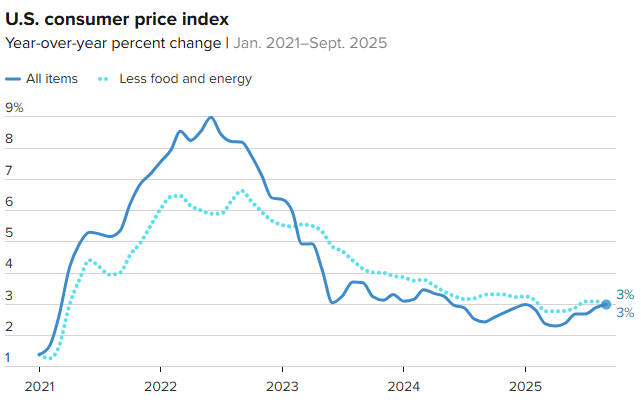
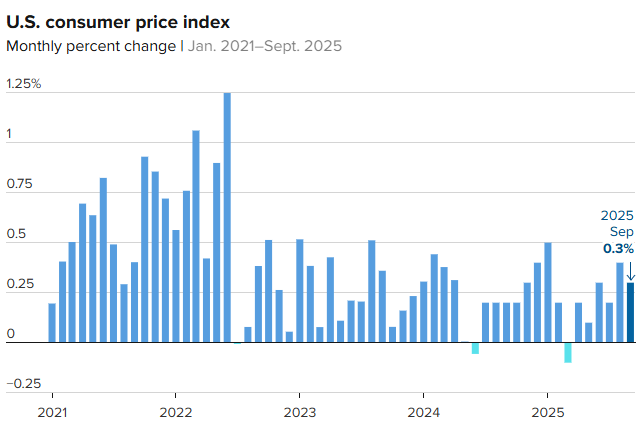
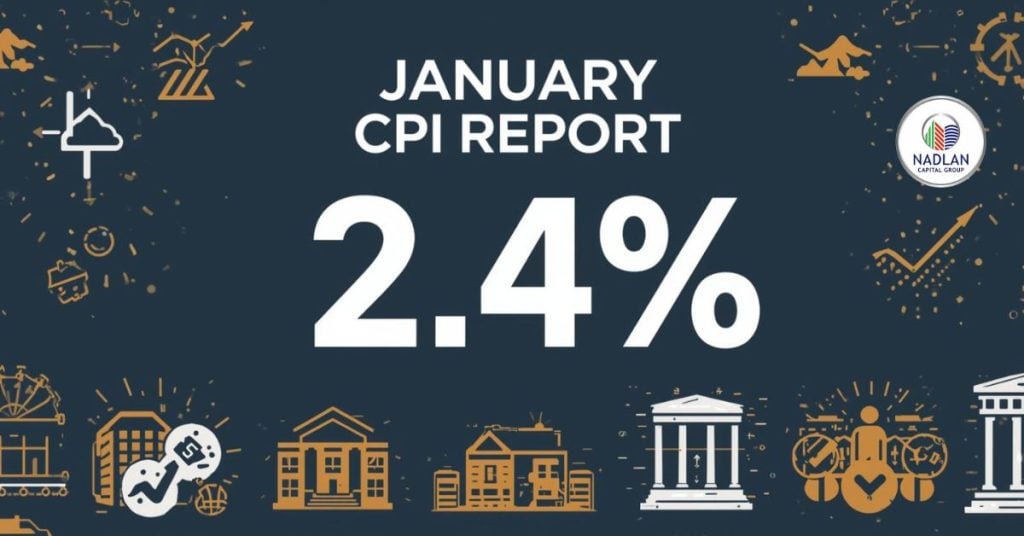
The Consumer Price Index (CPI) rose 0.3% for the month and 3.0% year-over-year, according to the Bureau of Labor Statistics (BLS) report released Friday. Both readings came in below economists’ forecasts of 0.4% and 3.1%, respectively. It marked a modest slowdown from August’s pace and reflected easing pressures across most categories of consumer spending.
When excluding volatile food and energy costs, the core CPI considered a more stable measure of underlying inflation rose just 0.2% on the month and 3.0% annually, also below expectations. Core inflation had previously posted back-to-back 0.3% monthly gains in July and August, making September’s moderation particularly notable.
This report was especially significant because it represented the only official government data released during the ongoing federal shutdown. The BLS was given special authorization to publish CPI figures since the Social Security Administration relies on them to calculate annual cost-of-living adjustments (COLA) for retirees and beneficiaries.
“Like an oasis in the desert, this CPI report finally gave investors some clarity,” said John Kerschner, Global Head of Securitized Products at Janus Henderson. “Inflation came in cooler than anticipated, sparking a mild bond rally and reinforcing the likelihood of a Fed rate cut next week.”
Energy and Food Prices Edge Higher, But Broad Pressures Ebb
A 4.1% jump in gasoline prices was the largest contributor to September’s overall increase. However, outside of energy, inflation pressures were relatively tame. Food prices ticked 0.2% higher, with the broader commodities index rising 0.5%.
Over the past year, energy prices have risen 2.8%, while food costs are up 3.1%. Within the food index, meat, poultry, fish, and eggs jumped 5.2%, and nonalcoholic beverages climbed 5.3%. Electricity and natural gas prices surged 5.1% and 11.7%, respectively, while gasoline actually declined 0.5% year-over-year, helping temper overall energy inflation.
Shelter costs, which account for nearly one-third of the CPI basket, increased just 0.2% in September, and 3.6% year-over-year a notable easing from earlier months when housing costs were a major inflation driver. Prices for services excluding shelter also rose 0.2%.
Meanwhile, new vehicle prices gained 0.8%, while used cars and trucks slipped 0.4%, continuing a trend of softening in the once-skyrocketing used car market.
Market Reaction: Relief and Renewed Optimism
Stocks moved higher following the release, while Treasury yields edged lower, reflecting renewed optimism that inflation is gradually coming under control. The report was viewed as another sign that price growth is stabilizing near the Fed’s 2% target, even if it remains slightly elevated.
“Inflation may not be falling rapidly, but at least it’s not surprising to the upside anymore,” said David Russell, Global Head of Market Strategy at TradeStation. “That consistency is what markets have been hoping for.”
The CPI data provided a rare glimpse into the state of the economy at a time when most other indicators like employment and retail sales remain paused due to the shutdown.
Economists noted that while President Donald Trump’s tariff increases have not yet fully filtered through the economy, the impact so far appears muted. According to James Knightley, Chief International Economist at ING, U.S. companies have already begun shifting supply chains to reduce exposure.
“We’re seeing strong substitution effects,” Knightley wrote. “Businesses are sourcing from lower-tariff countries, absorbing cost pressures, and preventing the kind of broad-based inflation many feared.”
He added that while tariffs could still drive some future price spikes, they are more likely to create “one-time adjustments” rather than a sustained inflation spiral.
What It Means for the Fed
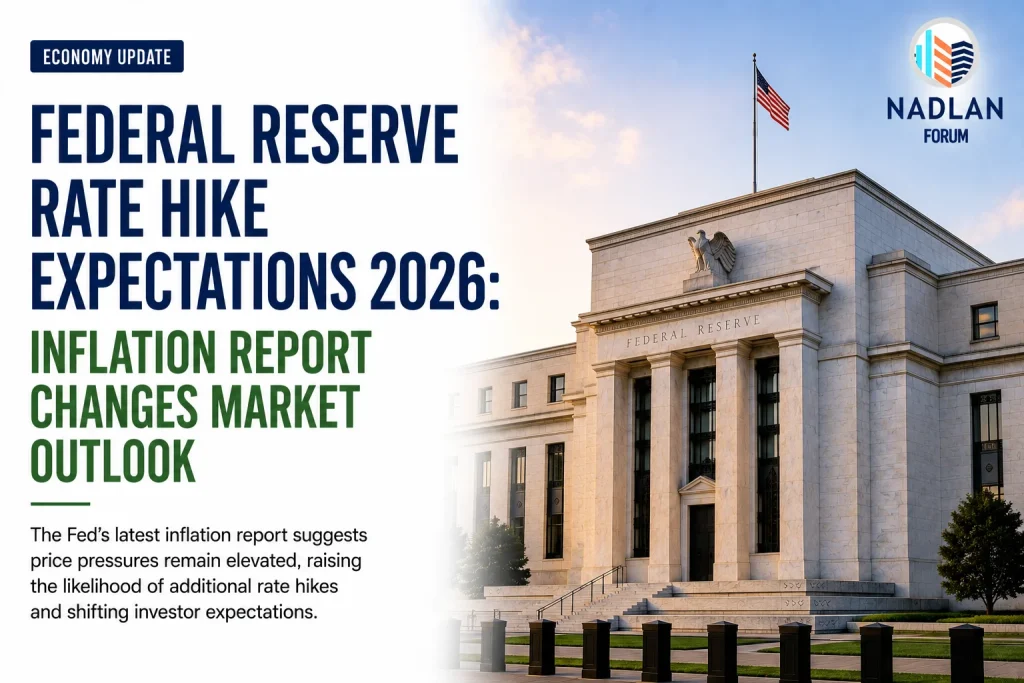
The Fed has long targeted 2% inflation as its benchmark for stable price growth. With headline inflation holding at 3%, policymakers see room to continue easing policy to support the labor market, which has shown signs of softening in recent months.
“This report will clearly keep the Fed on track to cut rates,” said Art Hogan, Chief Market Strategist at B. Riley Wealth. “The central bank has been signaling concern about weakening job growth, and this softer inflation print gives them even more flexibility.”
Markets are pricing in a near-100% chance of a 25-basis-point rate cut next week, which would bring the Fed’s benchmark range down from 4%–4.25% to 3.75%–4.0%. Another cut in December is also widely anticipated.
Still, uncertainty looms. Some Fed officials remain cautious about cutting too aggressively amid the risk that tariffs and wage growth could reaccelerate inflation later in the year. Chair Jerome Powell and other policymakers have emphasized a “data-dependent” approach, balancing inflation control with the goal of maintaining full employment.
Meanwhile, Trump continues to pressure the Fed to move faster, arguing that inflation is “no longer a problem” and that lower interest rates are needed to boost economic growth.
A Temporary Calm, But Not Mission Accomplished
September’s CPI report suggests that inflation is cooling, but not completely subdued. Key categories like shelter and food remain sticky, and potential energy price volatility or new tariffs could reignite upward pressure in the months ahead.
For now, however, the combination of easing inflation and softening economic indicators gives the Fed breathing room to lower rates without fear of reigniting runaway price growth.
As one analyst put it, “We’re not out of the woods yet—but for the first time in months, there’s a clear path through the trees.” For direct financing consultations or mortgage options for you visit 👉 Nadlan Capital Group.




















Responses