
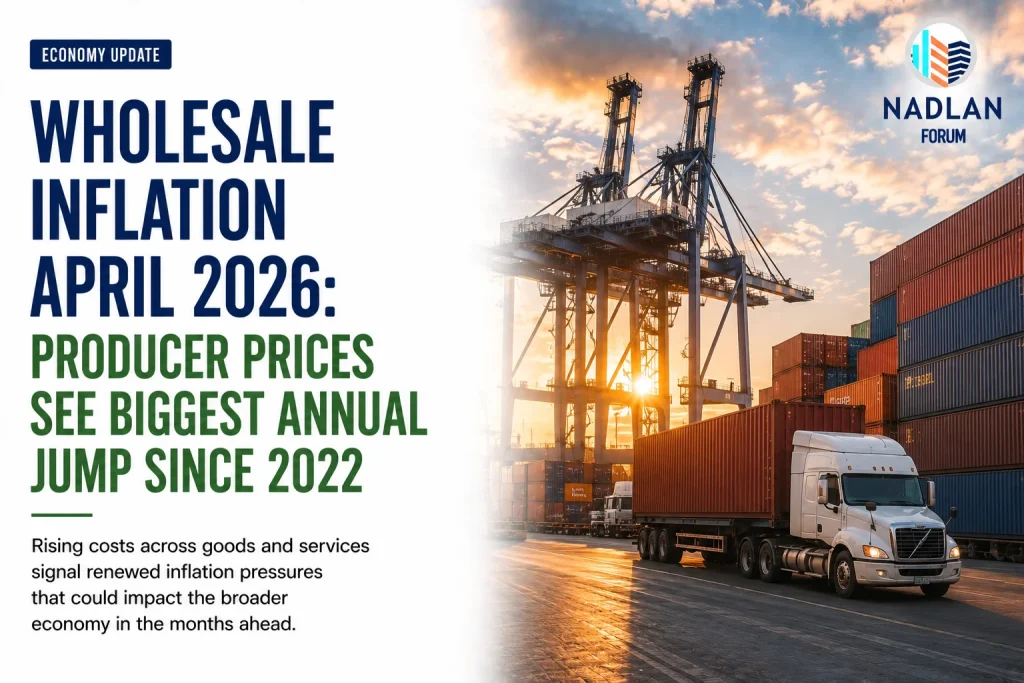
Wholesale Inflation April 2026: Producer Prices See Biggest Annual Jump Since 2022

Wholesale Inflation Accelerates Sharply
Wholesale inflation in the United States rose much faster than expected in April, adding new concerns about persistent price pressures across the economy.
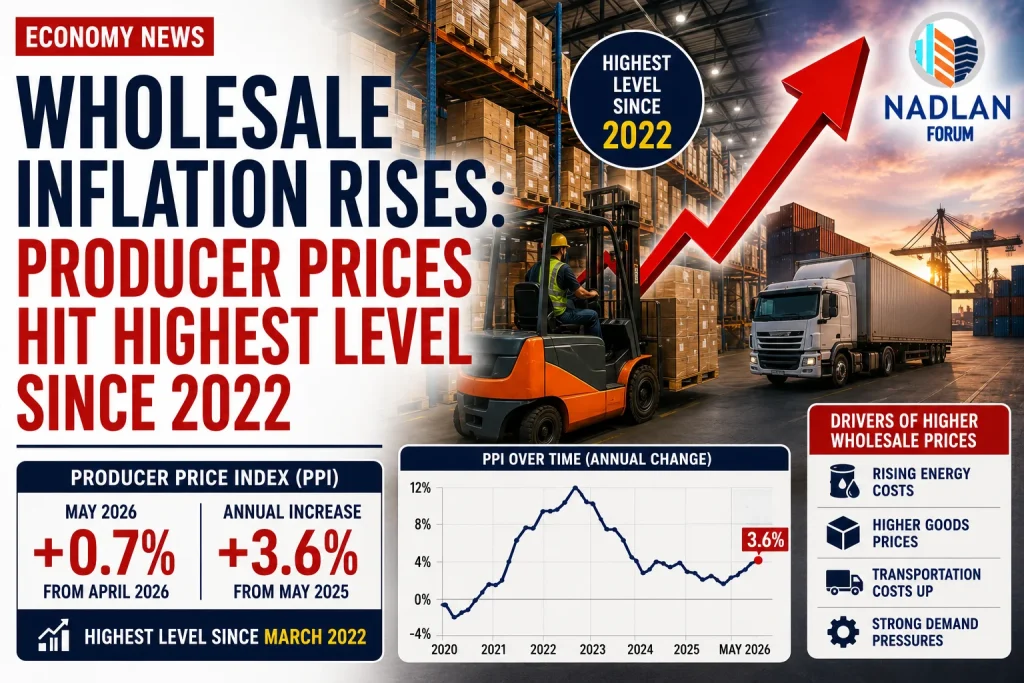
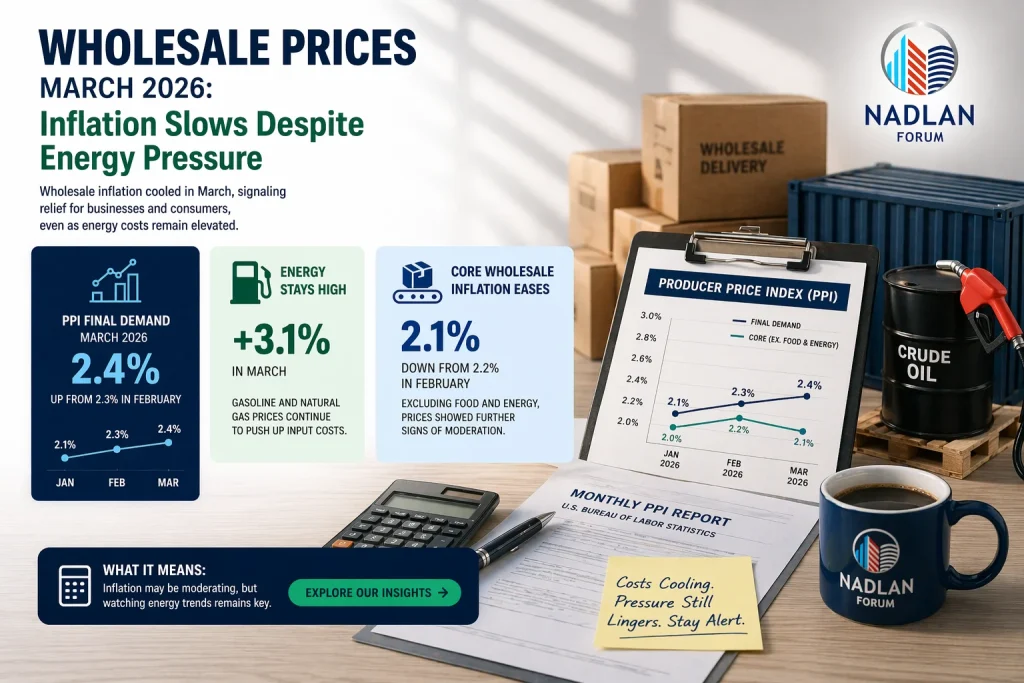
According to the latest report from the Bureau of Labor Statistics, the Producer Price Index (PPI) increased 1.4% during the month, marking the largest monthly increase since March 2022.
On an annual basis, wholesale prices climbed 6%, representing the biggest yearly increase in more than three years.
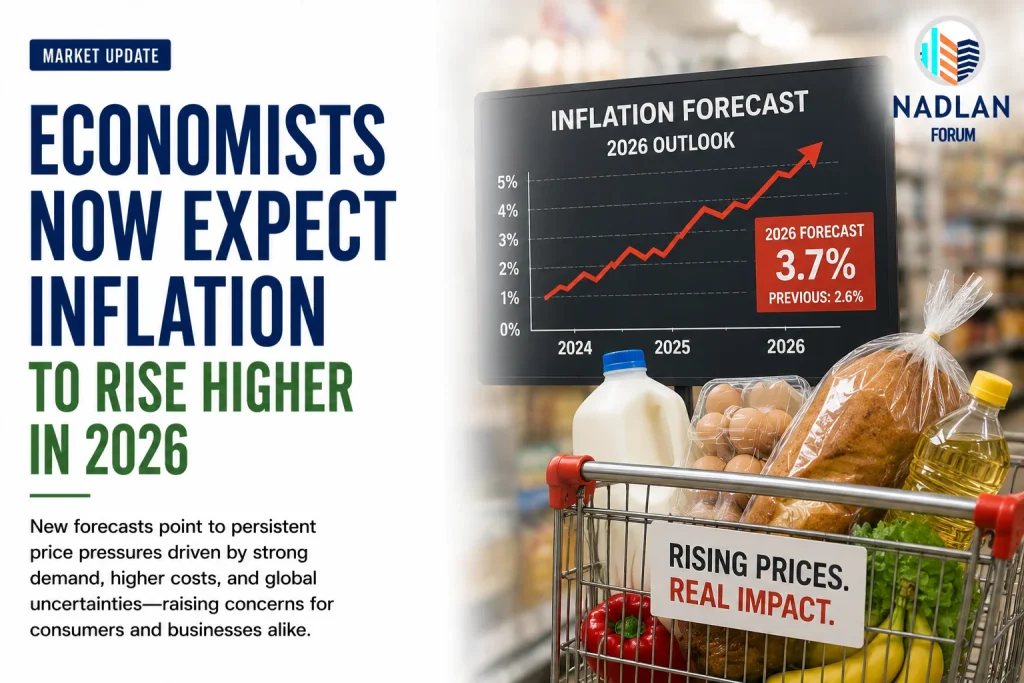
The report adds to growing concerns that inflation may remain elevated longer than expected.
Energy Prices Drove Much of the Increase
A major reason behind the inflation surge was higher energy prices.
The report showed final demand energy prices jumped 7.8% during April. Gasoline prices alone surged more than 15% as global energy markets remained under pressure.
Rising fuel costs linked to tensions in the Middle East have continued affecting transportation, manufacturing, and distribution expenses across the economy.
Higher oil prices have also pushed gasoline prices above $4 per gallon in many parts of the country.
Inflation Pressure Expands Beyond Energy
Although energy played a major role, the report also showed inflation pressures spreading into other sectors.
The services index rose 1.2%, the largest monthly increase since early 2022.
Trade services increased 2.7%, which economists say may reflect growing tariff-related costs affecting businesses and wholesalers.
Machinery and equipment wholesaling margins also climbed sharply during the month.
This suggests inflation is no longer limited to fuel costs alone.
Core Inflation Also Remains Elevated
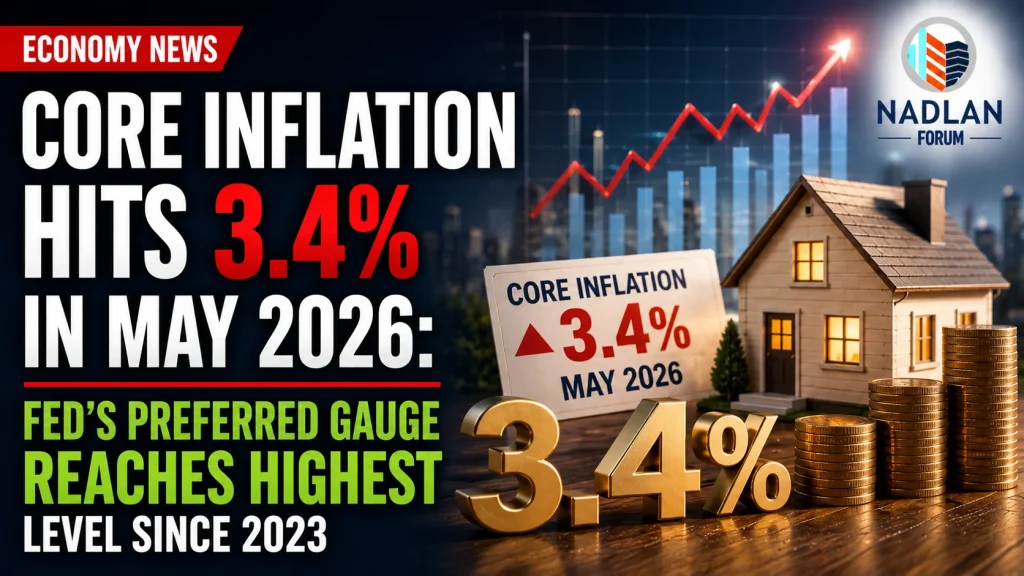
Core producer inflation, which excludes food and energy, increased 1% during the month. That was significantly above market expectations.
Another closely watched measure that excludes food, energy, and trade services also rose 0.6%.
These figures indicate broader inflation trends remain strong even after removing some of the most volatile categories.
Consumer Inflation Also Recently Increased
The wholesale inflation report follows another strong inflation reading released earlier in the week.
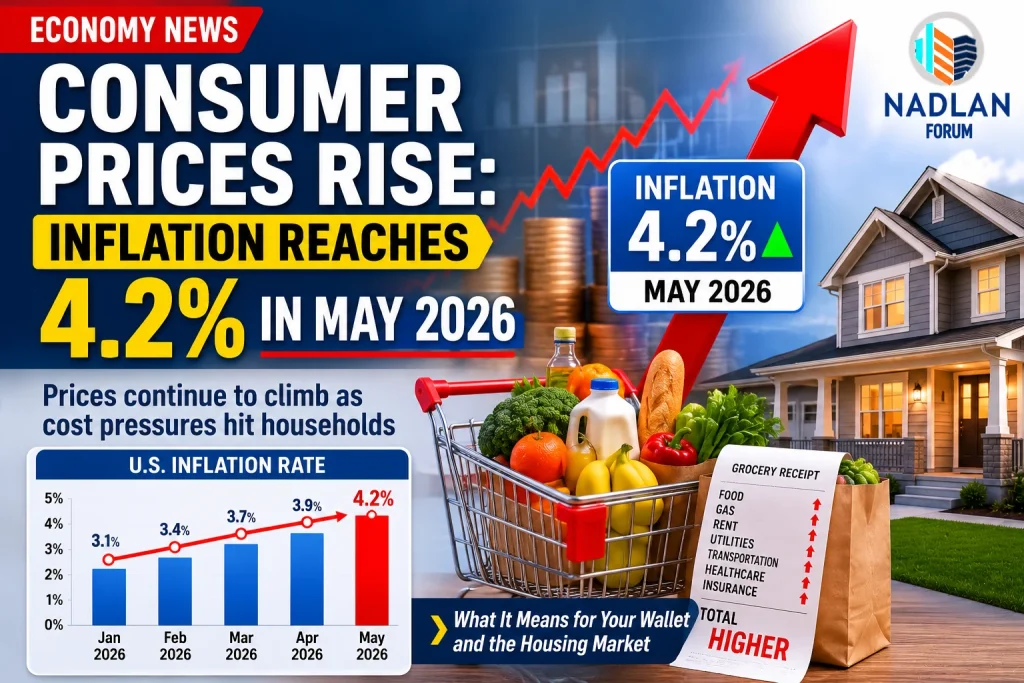
Recent consumer price data showed annual inflation near 3.8%, driven by higher energy and housing costs.
Core consumer inflation remained lower but still above the Federal Reserve target of 2%.
Together, the CPI and PPI reports suggest inflation pressures continue affecting multiple areas of the economy.
Markets React to Stronger Inflation Data
Financial markets reacted quickly to the hotter-than-expected inflation report.
Stock futures moved lower after the data release, while Treasury yields increased slightly as investors adjusted expectations for future interest rate policy.
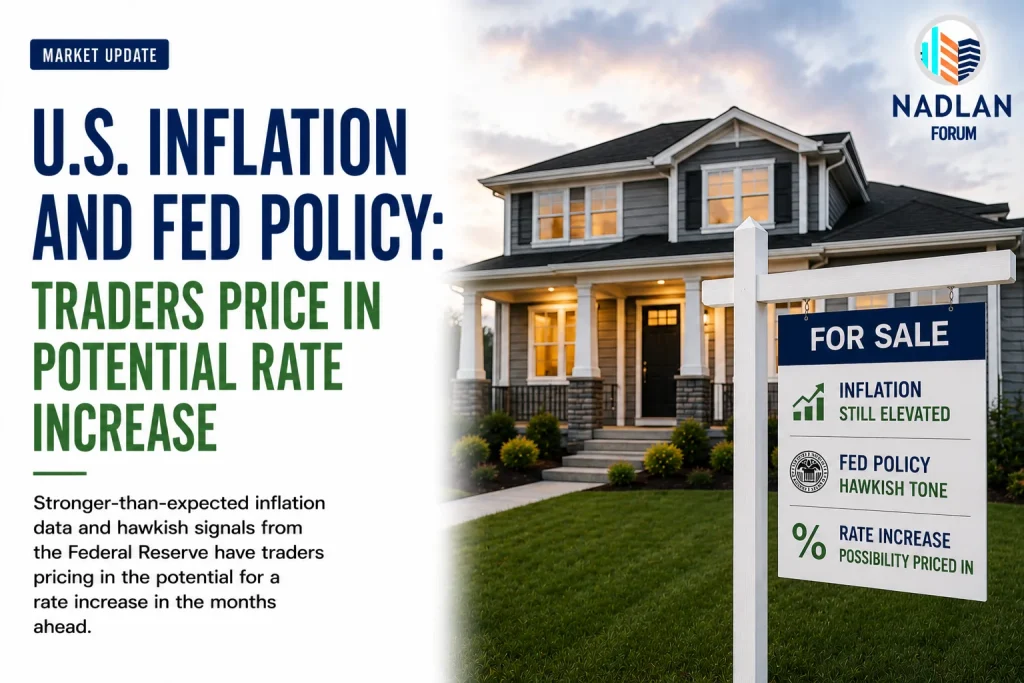
Markets are now assigning higher odds to the possibility that the Fed may need to keep interest rates elevated for longer—or potentially raise them again.
Rate Cut Expectations Continue to Fade
The latest inflation numbers further reduced expectations for interest rate cuts in 2026.
Market pricing now suggests little chance of rate reductions during the remainder of the year.
Some investors are even beginning to price in the possibility of another rate hike if inflation continues moving higher.
The Fed has kept benchmark interest rates within a range of approximately 3.5% to 3.75% while monitoring inflation and labor market conditions.
Tariffs and Global Risks Add Pressure
Economists say inflation is being influenced by several overlapping factors, including:
- Higher energy costs
- Ongoing geopolitical tensions
- Tariff-related price increases
- Strong services inflation
The combination of these pressures has made inflation more difficult to control compared to earlier expectations.
Businesses Continue Facing Higher Costs
Wholesale inflation often matters because it can eventually affect consumers directly.
When businesses pay more for fuel, transportation, supplies, or labor, they often pass those costs along through higher retail prices.
This means sustained increases in producer prices could continue putting upward pressure on everyday consumer expenses in coming months.
Fed Faces Difficult Policy Decisions
The inflation data places the Federal Reserve in a difficult position.
The labor market remains relatively stable, while inflation continues exceeding targets. This reduces pressure for immediate rate cuts and may force policymakers to maintain restrictive monetary policy longer than previously expected.
Officials are expected to continue closely monitoring:
- Inflation expectations
- Energy markets
- Consumer spending
- Employment data
before making additional policy changes.
Final Thoughts
Wholesale inflation in April 2026 rose much faster than expected, reaching its highest annual level since 2022.
While rising energy prices played a major role, the latest data also showed broader inflation pressures building across services and business sectors, increasing the likelihood that interest rates may remain elevated for longer. For direct financing consultations or mortgage options for you visit 👉 Nadlan Capital Group.


















Responses