
How The Property Improvement Model Finds Income Opportunities That Are Not Always Priced Into The Purchase Price

#EntrepreneurOfTheWeek – Omer Matityahu
#Post 2
When we evaluate real estate deals, on paper many projects look similar: a conservative pro forma, expected returns based on the business plan, the same basic KPIs.
Otherwise, we simply wouldn’t buy.
But real value is sometimes created in the places the pro forma doesn’t account for.
In an income-and-value-add model, we look for unique gaps—things that aren’t always priced into the purchase, because they require operational understanding, creativity, and a willingness to do the work.
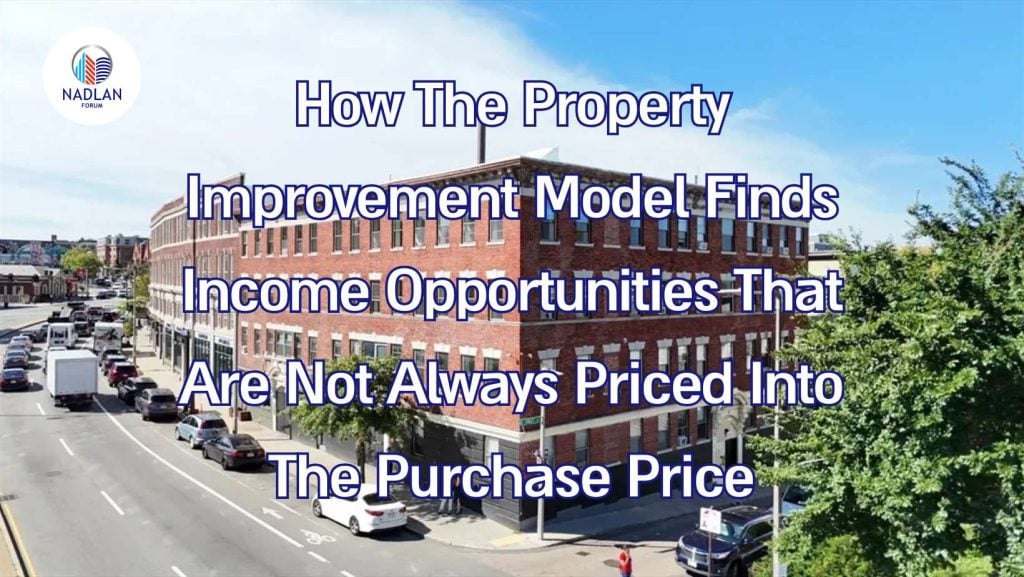
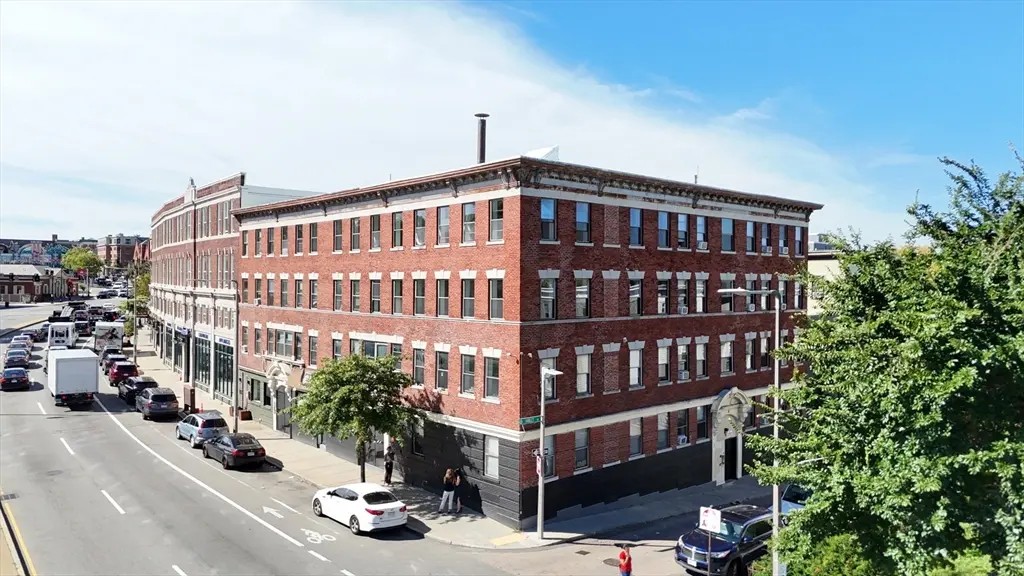
In a property we bought in Boston two weeks ago (by the way, we’re currently raising investors for this project 🙂), we identified several of these opportunities:
1) Smart renovation
The seller had already replaced all the major building systems in the past—electrical, heating, etc.—but those upgrades are often “invisible” to tenants.
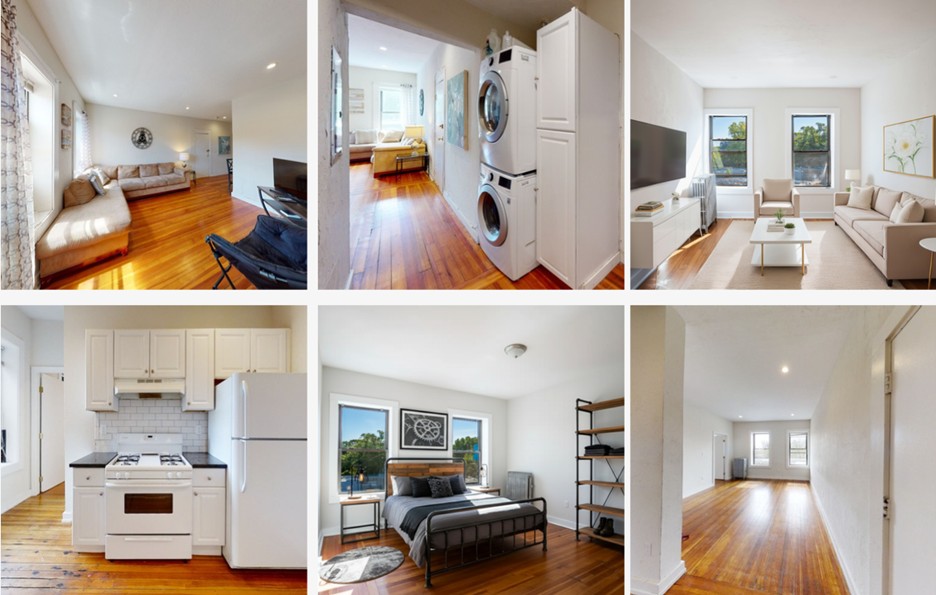
On the other hand, the apartments themselves are large, but some are laid out in a suboptimal way. With a relatively low cost, we can significantly improve the internal layout—even in units that were already “renovated” in the past—and bring them to a level that creates a real jump in rent and demand.
That’s why we asked the bank for a larger-than-usual renovation budget as part of the mortgage. Not to spend more—but to earn more.
2) Rental potential that isn’t fully captured
Most of the units in the building are currently priced about 8–10% below market.
But beyond that, there are also tenants in a government assistance program (Section 8) whose rents haven’t been updated in years.
The seller never worked with the state to adjust those rents, and the gap versus the market is significant.
A relatively straightforward opportunity—submitting a proper request—can double the rent on those units. One operational move, achievable within the first year, that alone adds roughly ~6% annually to the total rent roll—pushing us beyond our annual rent-growth target.
3) Side income not reflected in the pro forma
The property has a fenced parking area with 7–12 parking spots (depending on whether one car blocks another), but it’s barely used—only two spots are currently occupied.
We’re exploring the option to rent at least 5 spaces to tenants or neighbors. If demand exists, this income stream could add another ~3% to the annual rent roll.
It’s not something you underwrite as a must-have, but it’s real upside that comes from site visits, opportunity analysis, and solid operations.
4) A location that works for you
The property is located within Boston itself, with a view of downtown.
That’s not a line item in Excel, but it heavily impacts demand, stability, and value-add potential.
If you operate in a value-add / NOI-growth model, you’re not just trying to “buy right.”
You’re trying to understand deeply:
How the asset operates today
Where it’s under-optimized
And how smart operations turn it into a better business
That’s where the difference is made between a decent deal and a truly great real estate deal.
























Responses