
Investment Properties in Florida Guide: Insider Strategies 2026

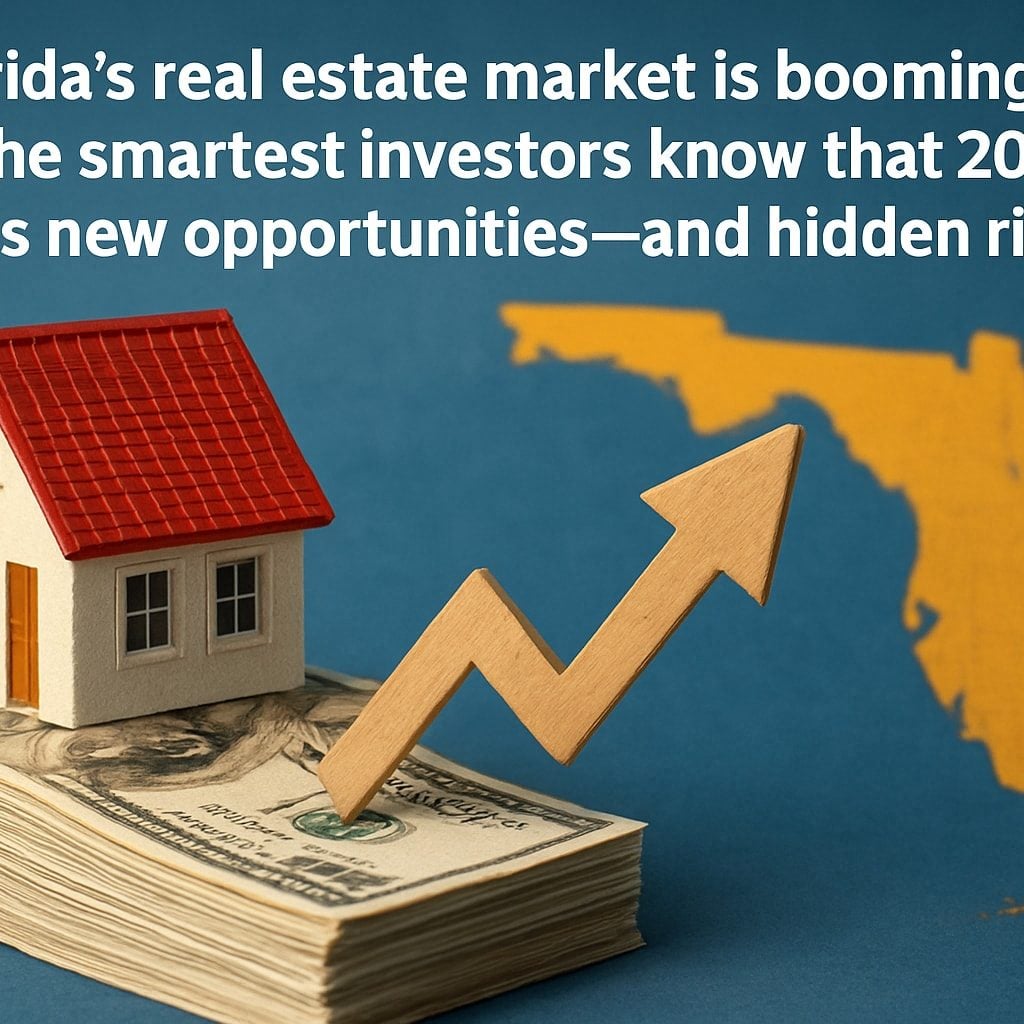
Florida’s real estate market is booming, drawing national attention as investors seek new opportunities in 2026. Migration trends, a thriving tourism sector, and strong economic growth continue to fuel demand for investment properties in Florida.
For savvy investors, the potential for high ROI, significant tax advantages, and increased portfolio diversification is hard to ignore. However, success in this market requires more than luck.
This guide will show you proven strategies to navigate the evolving landscape of investment properties in Florida.
You will discover a step-by-step approach to identifying, evaluating, and maximizing returns using up-to-date data and expert insights.
We will cover everything from market trends and property types to location analysis, financing, legal considerations, and advanced investment techniques—ensuring you are prepared for every opportunity and challenge in 2026.
Florida Real Estate Market Overview 2026
Florida’s real estate landscape continues to attract attention from investors seeking high-potential returns. Anyone considering investment properties in florida for 2026 must understand the state’s unique market drivers, performance trends, and evolving risks. Here’s a data-driven look at what’s shaping opportunity in the Sunshine State.

Key Trends and Economic Drivers
Florida’s population surge remains a defining force. Recent years have seen more than 1,000 new residents arriving daily, fueling demand for investment properties in florida. This growth is driven by strong migration from other states, favorable weather, and no state income tax.
Remote work trends and digital nomads have further increased housing demand, especially in cities like Miami and Tampa. Tourism, a historic pillar, is rebounding, boosting short-term rental needs in hotspots such as Orlando and Destin. The expanding tech, healthcare, and logistics sectors are creating new jobs, attracting both workers and investors.
State-level incentives, including tax breaks and grants, make the environment even more attractive for those looking to diversify with investment properties in florida.
Market Performance and Forecasts
Median home prices in Florida reached $410,000 in 2024 and are projected to rise as inventory stays tight. Rental yields vary by region, with Tampa offering a strong 7.1% in 2024, while Miami and Orlando also report above-average returns for investment properties in florida.
Vacancy rates remain below the national average, supporting steady rental income. Compared to national trends, Florida’s real estate market is more resilient, thanks to sustained demand and limited new supply. For 2026, experts predict ongoing supply constraints, moderate price growth, and a favorable lending environment as mortgage rates begin to ease. According to the Florida housing market stabilizing in 2026, buyer demand is expected to remain robust, supporting long-term investment strategies.
Risks and Challenges
Despite strong fundamentals, investors face rising insurance costs tied to climate risks like hurricanes and flooding. Regulatory changes are impacting landlords, particularly in the short-term rental segment, where cities such as Miami Beach have introduced strict enforcement.
Property taxes are climbing in some counties, affecting the cash flow of investment properties in florida. There is also increased competition from institutional investors, especially in fast-growing cities. Miami and Tampa illustrate contrasting dynamics: while Miami’s luxury market is cooling, Tampa’s mid-market remains hot, underscoring the need for careful location analysis.
Choosing the Right Investment Property Type
Selecting the ideal property type is a crucial step for anyone exploring investment properties in florida. Each option offers unique benefits and risks, directly impacting your long-term returns and strategy.
Single-Family vs. Multi-Family Properties
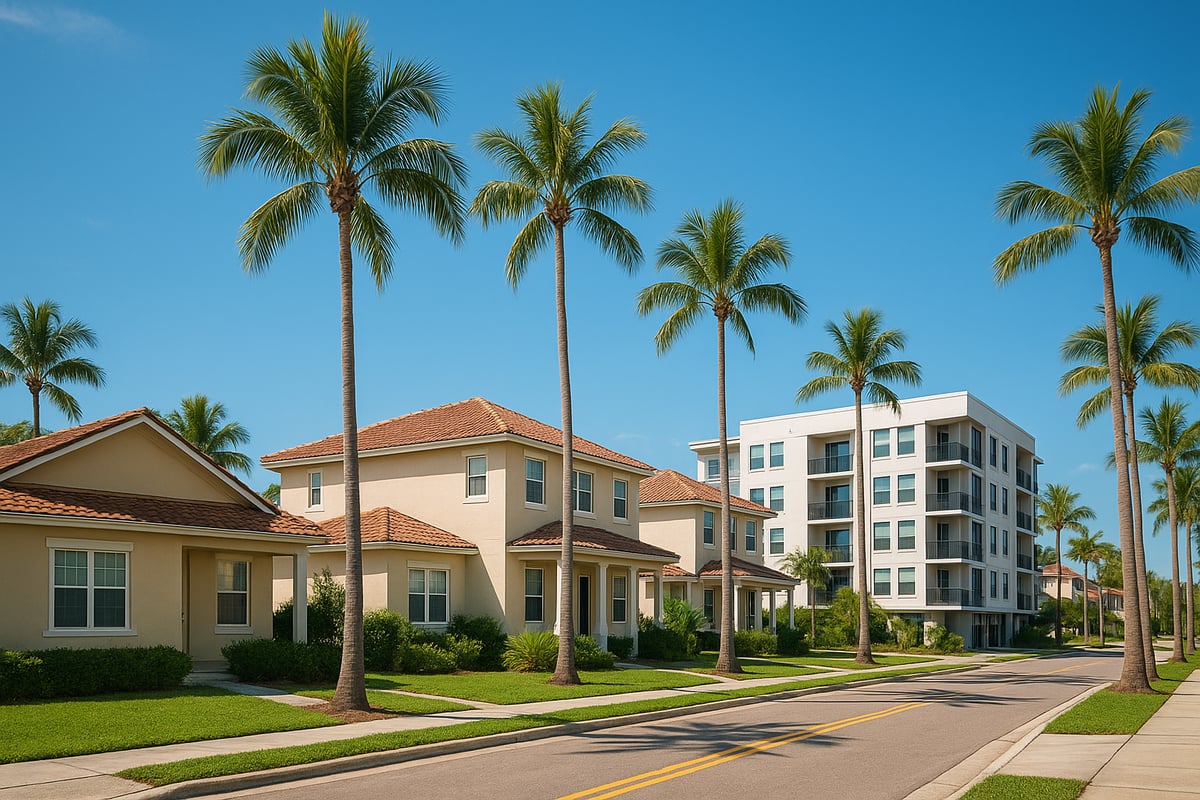
When considering investment properties in florida, understanding the differences between single-family and multi-family assets is essential. Single-family homes typically attract stable, long-term tenants and require lower day-to-day oversight. Multi-family properties, such as duplexes or small apartment buildings, often deliver higher cash flow and lower per-unit maintenance costs.
| Property Type | Typical ROI | Maintenance | Example Location |
|---|---|---|---|
| Single-Family | 5-7% | Lower | Jacksonville |
| Multi-Family | 6-9% | Moderate | Orlando (duplexes) |
Multi-family units also allow for easier scaling of your portfolio. For a comprehensive breakdown of these options, the Florida property investment guide offers further insights.
Short-Term Vacation Rentals
Short-term rentals are a popular choice for those seeking investment properties in florida, especially in tourist hotspots like Orlando, Miami Beach, and Destin. Platforms such as Airbnb and Vrbo have revolutionized revenue potential, with average nightly rates ranging from $180 to $350 and occupancy rates often topping 70% during peak seasons.
However, investors must navigate local ordinances and licensing requirements, which can vary widely by city. For instance, Miami Beach enforces strict limits on short-term rentals, and compliance is crucial to avoid fines. Success in this market depends on location, seasonality, and the ability to adapt to shifting tourism trends.
New Construction vs. Existing Homes
Many investors weigh the pros and cons of new construction versus existing homes when selecting investment properties in florida. New builds offer modern amenities, energy efficiency, and builder warranties, reducing initial repair costs. However, risks include construction delays and possible supply chain disruptions.
Pre-construction condo projects in Miami have gained popularity, promising strong appreciation and low maintenance in the initial years. Existing homes, on the other hand, can provide immediate rental income and established neighborhood data, but may require renovations or upgrades to stay competitive.
Niche Opportunities
Beyond traditional options, niche investment properties in florida can generate high returns and serve specific market needs:
- Student housing near major universities (e.g., Gainesville, Tallahassee)
- Senior living communities in popular retirement areas
- Waterfront properties designed with hurricane resilience in mind
These specialized markets may require additional research, but can offer stable occupancy and attractive appreciation for savvy investors.
Location Analysis: Best Places to Invest in Florida
Choosing where to buy investment properties in florida is critical for maximizing returns. The state offers diverse markets, each with unique drivers and challenges. Let’s break down the top locations, emerging neighborhoods, and factors that set each region apart.

Top Cities and Regions for Investment
Florida's leading cities continue to attract investors seeking strong returns on investment properties in florida. Miami, Tampa, Orlando, Jacksonville, and Fort Lauderdale each offer robust population growth, expanding job markets, and high rental demand. For example, Tampa posted a 7.1% rental yield in 2024, reflecting strong tenant activity and rising rents.
According to the Florida real estate market report Q1 2026, Miami’s luxury condo market is rebounding, while Orlando’s tech and healthcare sectors support long-term rental demand. Jacksonville’s affordability and job growth make it a favorite for first-time investors. Each metro area brings distinct opportunities for investment properties in florida.
Up-and-Coming Neighborhoods
Spotting the next hot spot is key for those investing in investment properties in florida. Gentrification trends are reshaping areas like St. Petersburg, where new developments and infrastructure upgrades are driving appreciation.
Early-stage growth neighborhoods often feature renovated historic homes, new restaurants, and improved transit access. Urban areas near downtowns attract young professionals, while some suburban pockets offer value and future upside. Comparing these options can reveal which investment properties in florida will outperform as neighborhoods mature.
Coastal vs. Inland Markets
Both coastal and inland markets offer unique pros and cons for investment properties in florida. Coastal cities like Fort Myers deliver higher appreciation rates but come with increased climate risk and higher insurance costs. Inland markets, such as Gainesville, typically offer greater affordability and lower vacancy rates.
Choosing between these options depends on your risk tolerance and investment horizon. Coastal investments may yield greater long-term gains, while inland options provide stability and steady cash flow for investment properties in florida.
Local Amenities and Infrastructure
Access to top schools, major transit lines, and employment hubs significantly boosts the performance of investment properties in florida. Proximity to universities, airports, or business districts increases tenant demand and reduces vacancy periods.
Ongoing infrastructure projects, like the Brightline rail expansion, are reshaping connectivity across the state. Properties located near these improvements tend to see value appreciation, making location analysis essential for successful investment properties in florida.
Financing Investment Properties in Florida
Securing the right financing is a cornerstone of success for those seeking investment properties in florida. Understanding your options, requirements, and market timing can set you apart in a competitive landscape.

Mortgage Options and Lending Requirements
When purchasing investment properties in florida, buyers face a range of mortgage products. The two most common are conventional and portfolio loans, each with distinct features:
| Mortgage Type | Down Payment | Credit Score | Typical Use Case |
|---|---|---|---|
| Conventional Loan | 20-25% | 680+ | Single-family, duplexes |
| Portfolio Loan | 20-30% | 620+ | Multi-family, unique deals |
Conventional loans often suit single-family or duplex purchases, with clear documentation and competitive rates. Portfolio loans, held by the lender, offer flexibility for properties that may not fit standard criteria. Expect to provide proof of income, assets, and a strong credit history. Lenders in florida generally require higher down payments for investment properties, reflecting the increased risk profile.
Creative Financing Strategies
In addition to traditional loans, investors in florida utilize creative strategies to fund acquisitions. Here are several approaches:
- Seller financing: Negotiate directly with the seller for loan terms.
- Partnerships: Pool resources with other investors to increase buying power.
- Syndications: Join groups to invest in larger properties.
- 1031 exchanges: Defer taxes by reinvesting proceeds from one property into another.
- HELOCs: Use home equity lines of credit for down payments.
These methods can lower your upfront capital requirements for investment properties in florida and open doors to deals that may not be accessible through standard lending. Always consult a financial advisor to ensure compliance with relevant regulations.
Navigating Interest Rates and Market Timing
Interest rates play a pivotal role in the affordability of investment properties in florida. Forecasts for 2026 suggest that mortgage rates may fluctuate as the Federal Reserve adjusts policy. Investors should weigh the benefits of locking in rates early versus waiting for potential decreases.
For a deeper perspective on what to expect, review this analysis of Mortgage rate trends for 2026. Fixed-rate mortgages offer stability, while adjustable-rate options can be attractive if you anticipate lower rates or a shorter holding period. Monitoring local trends and lender offerings is essential for timing your purchase to maximize returns.
Legal, Tax, and Regulatory Considerations
Understanding legal, tax, and regulatory factors is essential for anyone investing in investment properties in florida. These elements directly impact profitability, compliance, and long-term success. Let's break down the most important considerations for 2026.
Landlord-Tenant Laws and Short-Term Rental Regulations
Florida’s landlord-tenant laws are investor-friendly, but compliance is critical. The eviction process is relatively swift compared to other states, yet strict adherence to notice and documentation is required. For investment properties in florida, understanding tenant protections, such as security deposit limits and lease termination rules, is vital.
Short-term rental regulations vary by city. Miami Beach, for example, enforces strict licensing and zoning requirements, with significant fines for violations. Local governments may limit the number of rental days or require inspections. Always verify city ordinances before listing properties on platforms like Airbnb or Vrbo to avoid legal complications.
Property Taxes and Homestead Exemptions
Property taxes can significantly affect the cash flow of investment properties in florida. Average tax rates differ by county, with some areas seeing recent increases. Investors should research local rates and factor them into ROI calculations.
Florida offers a Homestead Exemption for primary residences, which lowers taxable value and provides creditor protection. While this does not apply to most investment properties, understanding the exemption helps when converting a property to a primary home. Always consult a tax advisor to optimize deductions and ensure compliance with state laws.
Insurance and Risk Management
Insurance is a crucial consideration for investment properties in florida due to climate risks like hurricanes and flooding. Most lenders require windstorm and flood insurance, especially in FEMA-designated flood zones. Premiums have risen sharply in recent years, impacting operating costs.
Mitigation strategies include elevating structures, installing hurricane-resistant windows, and maintaining updated roof systems. Investors should review FEMA flood maps regularly, as zone changes can affect coverage requirements and premiums. Partnering with a knowledgeable insurance broker helps ensure adequate protection against evolving risks.
Insider Strategies for Maximizing ROI in 2026
To outperform in investment properties in florida, investors must adopt advanced strategies tailored for 2026’s evolving market. The following insider approaches can help you maximize returns while managing risk.
Value-Add Renovations and Upgrades
Renovating investment properties in florida is one of the most effective ways to boost ROI. Focus on high-impact upgrades such as modernizing kitchens, updating bathrooms, and improving energy efficiency. These improvements not only increase property value, but also attract quality tenants and higher rental rates.
When planning renovations, always check local permitting requirements and vet contractors carefully. Seeking multiple bids and verifying licenses can prevent costly mistakes. For example, short-term rental owners in Orlando have seen substantial gains by installing smart home features and luxury finishes, leading to premium nightly rates and improved occupancy.
Leveraging Technology and Data Analytics
Harnessing technology is crucial for maximizing returns on investment properties in florida. Use real estate analytics platforms to identify emerging trends, forecast rental demand, and set optimal pricing. Automate property management tasks such as tenant screening, rent collection, and maintenance scheduling, which saves time and reduces human error.
Dynamic pricing tools, used by vacation rental hosts, adjust nightly rates based on demand and competition. Staying informed about market timing is equally important; recent insights into the mortgage lock-in effect 2026 can help investors anticipate shifts and act strategically.
Networking and Community Resources for Investors
Building a strong local network is essential for those investing in investment properties in florida. Join real estate investment groups, attend seminars, and participate in Florida-specific meetups to stay updated on market trends and regulations. These connections often provide access to off-market deals and trusted service providers.
Developing a reliable team—including agents, attorneys, and property managers—streamlines every aspect of property ownership. Active networking also fosters knowledge-sharing, helping you adapt to regulatory changes and capitalize on new opportunities as they arise.
Now that you have a clear understanding of Florida’s real estate landscape and the insider strategies for 2026, you’re ready to take the next step toward building your investment portfolio. Securing the right financing is key to maximizing your returns and seizing opportunities as the market evolves. Whether you’re new to property investment or looking to expand, you don’t have to navigate the mortgage process alone. If you’re serious about investing in Florida, explore your financing options and Get a mortgage in the US today to put your strategy into action.























Responses