
Kevin Warsh Sees AI Fueling Rate Cuts, Fed Governor Signals Caution

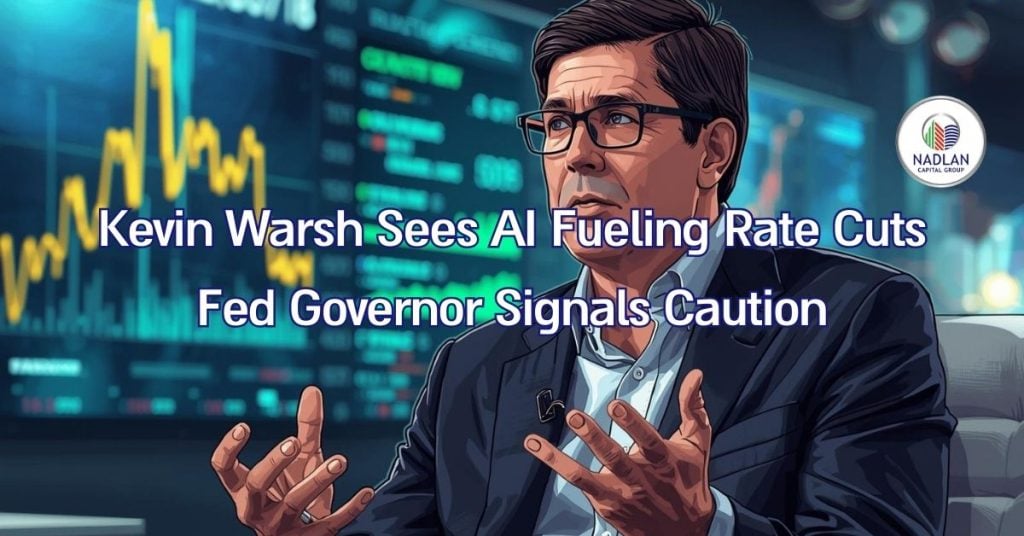
Debate is building inside the Federal Reserve over how artificial intelligence could shape the future of interest rates.
Kevin Warsh, President Donald Trump’s nominee to lead the Federal Reserve when Jerome Powell’s term ends, has argued that AI could boost productivity and help justify lower borrowing costs. But a current Fed official is pushing back.
In recent remarks, Michael Barr said the AI boom is unlikely to be a reason for cutting interest rates anytime soon. His comments contrast with Warsh’s more optimistic view on how technology could reshape the economy.
Warsh: AI Could Support Lower Rates
In December, Kevin Warsh suggested that widespread business adoption of artificial intelligence could bring the strongest productivity growth in decades.
Warsh has pointed to history for support. During the rise of the internet in the 1990s, then-Fed Chair Alan Greenspan allowed the economy to run with lower borrowing costs as productivity improved. Warsh believes a similar approach could apply in the AI era.
His argument centers on this idea:
If AI boosts productivity, it may reduce inflation pressure over time. Higher productivity means businesses can produce more goods and services at lower cost. In theory, that could create room for rate cuts.
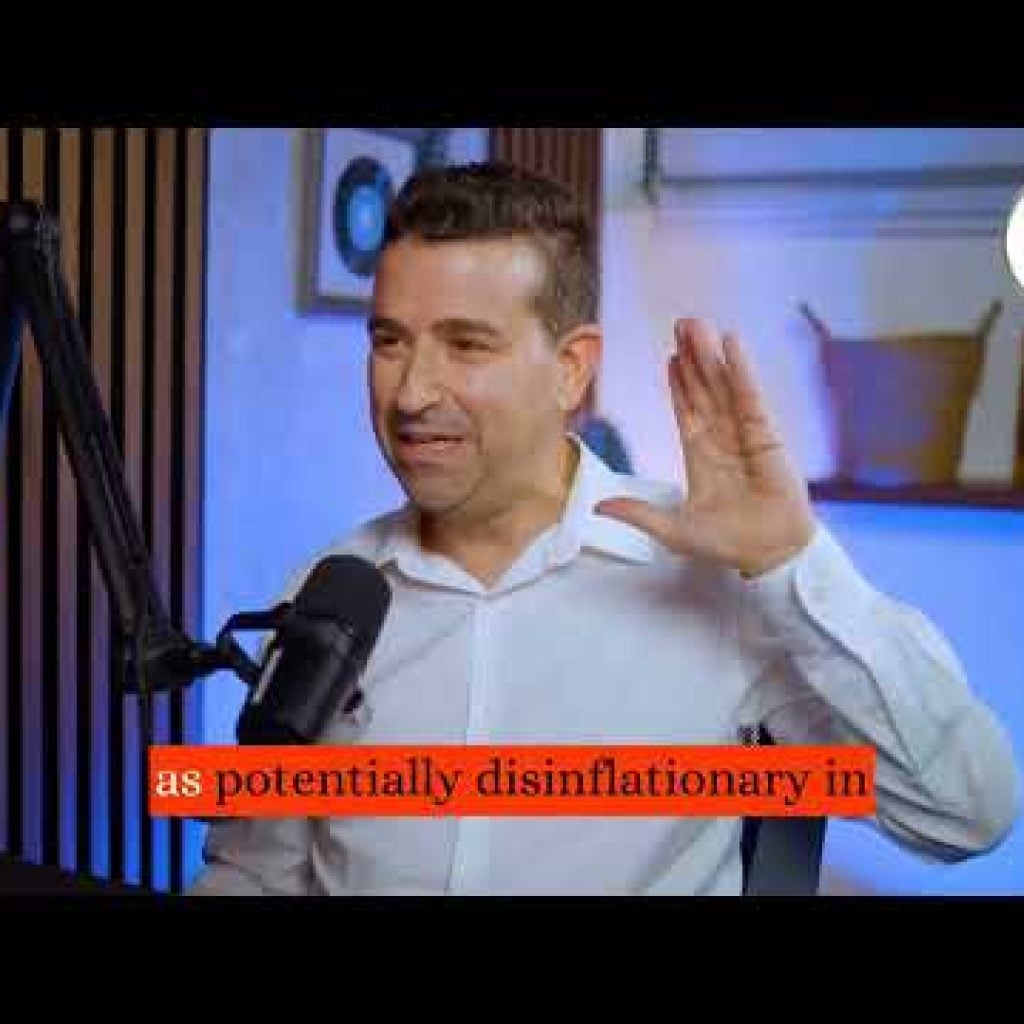
Warsh has described AI as potentially “structurally disinflationary,” meaning it could lower inflation in a lasting way.
Barr: Productivity Gains May Not Lower Rates
Governor Barr sees the situation differently.
While he agrees that AI could transform the economy, he does not believe it automatically leads to lower interest rates. According to Barr, stronger productivity could actually raise what economists call the “neutral rate” of interest.
The neutral rate is the level of borrowing costs that keeps the economy balanced — neither too hot nor too cold.
Barr explained that if AI increases productivity, businesses may invest more. Workers may expect higher lifetime earnings. Savings behavior could change. All of this could push demand higher, which in turn could justify higher interest rates rather than lower ones.
In short, faster growth does not always mean lower inflation.
What This Means for Fed Policy
The Federal Reserve’s rate-setting committee has 12 voting members, and each official holds one vote — including the chair.
If Warsh becomes chair, he would still need support from other members to move policy toward lower rates. Barr’s comments suggest that consensus may not come easily.
Other officials have also signaled caution. For example, Beth Hammack has noted that AI-driven productivity could push the neutral rate higher, meaning the economy could handle higher rates without slowing.
This debate matters because markets are closely watching when the Fed may cut rates again. Inflation has eased from its peak, but it remains above the Fed’s 2% target. At the same time, economic growth remains steady.
AI’s Broader Economic Impact
Central bankers around the world are studying how AI might affect:
- Employment patterns
- Wage growth
- Productivity
- Business investment
Barr said AI adoption is likely to displace some jobs while creating new roles. He expects changes to happen gradually enough to avoid widespread job losses. However, short-term disruptions are possible.
If AI boosts wages and profits, it could increase overall demand in the economy. That demand may offset any cost savings from improved productivity.
The timing of AI’s full economic impact remains uncertain. Technology shifts often take years to spread across industries.
Markets Watching Closely
Investors are paying attention because rate expectations affect everything from mortgage costs to stock valuations.
If AI truly lowers inflation over time, it could support rate cuts. But if productivity growth lifts economic demand and investment, rates could stay higher for longer.
Recent inflation data shows consumer prices rising more slowly, but the economy continues to expand at a healthy pace. That mix complicates decisions for policymakers.
The Bigger Picture
The discussion about AI and interest rates reflects a larger question:
How should the Fed respond to major technological shifts?
Warsh sees AI as an opportunity for policy flexibility and possibly lower borrowing costs. Barr and others argue that the relationship between productivity and inflation is not that simple.
For now, the Federal Reserve is expected to move cautiously. While artificial intelligence may reshape the economy over time, policymakers are unlikely to base near-term rate decisions on technology forecasts alone.
The AI impact on interest rates will depend not just on innovation, but on how it changes wages, spending, investment, and inflation in the real world. For direct financing consultations or mortgage options for you visit 👉 Nadlan Capital Group.



















Responses