
Homebuyer Trends 2026: Costs Rise and Buyers Adjust Expectations

Modern Buyers Face More Pressure Than Ever
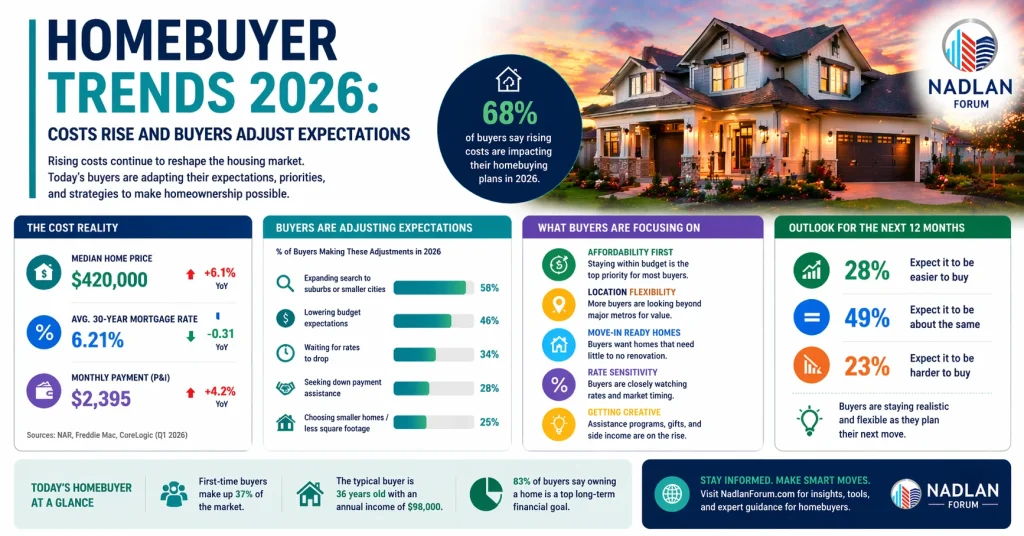
The latest housing data from ServiceLink highlights how much the homebuying experience has changed in 2026. Buyers today are dealing with higher costs, more complex decisions, and growing uncertainty about the economy.
For many, buying a home is still a major life goal, but the path to get there is becoming harder. Rising home prices and elevated mortgage rates have made affordability a key concern, especially for younger buyers entering the market for the first time.
Affordability Remains the Biggest Challenge
One of the clearest trends is the financial pressure facing buyers. Data from the National Association of Realtors shows that the average monthly mortgage payment is now around $2,057.
At the same time, home prices have increased sharply over the past six years, rising by about 60%. Even though mortgage rates are lower than their peak in 2023, they are still high enough to impact monthly budgets.
This pressure is especially visible among younger generations:
- 50% of Gen Z buyers say they were at risk of missing a payment
- 44% of millennials reported similar concerns
These numbers show that many buyers are stretching their finances just to secure a home.
Buyers Are Making More Compromises
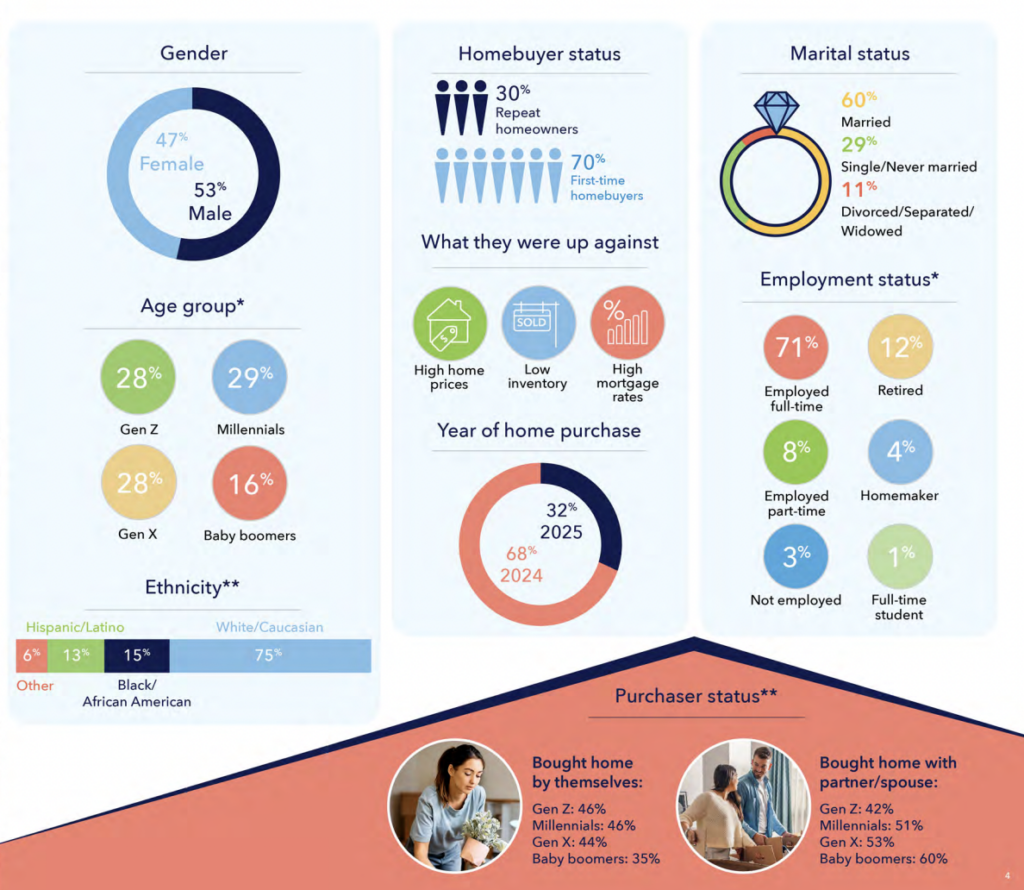
Because of affordability issues, more buyers are adjusting their expectations. Instead of getting everything on their wish list, many are choosing homes that meet basic needs rather than ideal preferences.
Common compromises include:
- Smaller homes or fewer features
- Less preferred locations
- Higher monthly payments than planned
Even lifestyle factors are being considered carefully. Interestingly, nearly 90% of buyers say their pets play a role in choosing a home, showing how personal priorities still matter despite financial pressure.
Faster Closings Are Becoming More Important
Speed is another growing priority in today’s housing market. Many buyers expect the process to move quickly once they find a home.
- 43% of buyers expect to close within two weeks
- Industry averages are still closer to 30–40 days
Younger buyers, especially Gen Z and millennials, are more likely to expect faster timelines. This reflects a broader demand for efficiency and convenience in the buying process.
Digital Tools Are Changing the Experience
Technology is playing a larger role in how people buy homes. From searching listings to completing paperwork, digital platforms are helping streamline the process.
Buyers today expect:
- Online applications and approvals
- Clear cost breakdowns
- Easy communication with lenders and agents
This shift toward digital tools is helping reduce some of the stress, but it also raises expectations for speed and transparency.
Younger Buyers Are Adapting Their Strategies
Despite financial challenges, younger buyers are not stepping away from the market. Instead, they are finding new ways to make homeownership possible.
Some of the strategies include:
- Saving aggressively for down payments
- Using financial help from family
- Exploring alternative loan programs
- Accepting smaller or less expensive homes
Many buyers understand there are trade-offs, but they are willing to take calculated risks to enter the market sooner.
Emotional Factors Still Drive Decisions
Buying a home is not just a financial decision—it’s also emotional. Many buyers are motivated by:
- The desire for long-term stability
- Building personal wealth
- Having control over their living space
Even in a challenging market, these goals continue to push buyers forward.
However, the process itself can feel overwhelming. From paperwork to negotiations and understanding total costs, many buyers report high levels of stress during the journey.
What Buyers Want from the Housing Market
Across all age groups, buyers are asking for similar improvements in the homebuying process:
- Clear and simple steps
- Lower upfront and monthly costs
- Better transparency in pricing
- Reliable and predictable outcomes
Lenders and real estate professionals who focus on these areas are more likely to meet the needs of today’s buyers.
Final Thoughts
The housing market in 2026 is shaped by rising costs and changing expectations. Buyers are still motivated to own homes, but they are approaching the process with more caution and flexibility.
Younger generations, in particular, are leading the shift by adapting their strategies, using digital tools, and accepting trade-offs to achieve their goals.
As affordability remains a challenge, the future of homebuying will likely depend on how well the industry responds to these evolving needs. For direct financing consultations or mortgage options for you visit 👉 Nadlan Capital Group.




























Responses