
Mortgage Rates Mixed in Late May 23,2026: 30-Year Fixed Loan Moves Lower

Mortgage rates moved in different directions this week as financial markets continued reacting to inflation concerns, Treasury yield volatility, and uncertainty surrounding future Federal Reserve policy decisions.
According to the latest Zillow lender marketplace data, the average 30-year fixed mortgage rate declined slightly compared to last week, while some shorter-term loan products moved higher. Adjustable-rate mortgages also saw noticeable declines after recent spikes earlier this month.
Although rates remain elevated compared to the ultra-low levels seen during the pandemic years, some borrowers may welcome signs of stabilization after weeks of sharp increases across the mortgage market.
Current Mortgage Rates for May 24, 2026
Here are the latest national average mortgage rates:
- 30-year fixed: 6.34%
- 20-year fixed: 6.26%
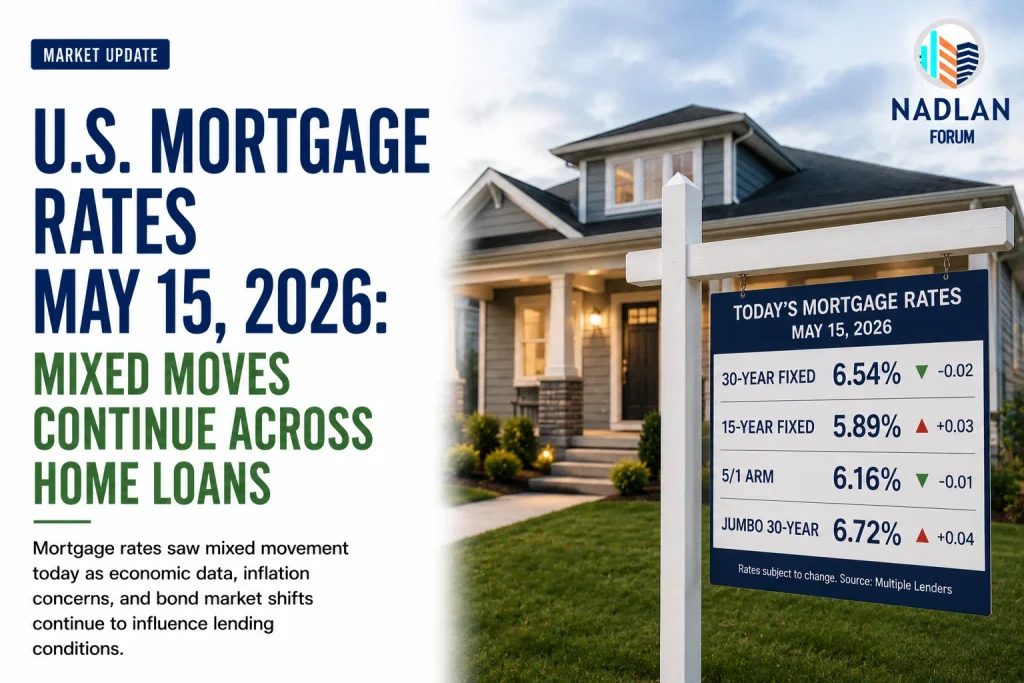
- 15-year fixed: 5.90%
- 5/1 ARM: 6.29%
- 7/1 ARM: 6.46%
- 30-year VA: 5.98%
- 15-year VA: 5.65%
- 5/1 VA: 5.68%
Most rates remain above 6%, continuing affordability pressure for many homebuyers across the country.
Refinance Rates Also Remain Elevated
Mortgage refinance rates remain close to purchase loan rates, limiting refinance opportunities for many homeowners who locked in lower rates during previous years.
Current refinance averages include:
- 30-year fixed refinance: 6.38%
- 20-year fixed refinance: 6.06%
- 15-year fixed refinance: 5.84%
- 5/1 ARM refinance: 6.29%
- 7/1 ARM refinance: 6.22%
- 30-year VA refinance: 5.89%
- 15-year VA refinance: 5.58%
While refinance activity has slowed significantly from pandemic highs, some homeowners are still exploring refinancing options to consolidate debt, shorten loan terms, or tap home equity.
30-Year Fixed Mortgage Rates Decline Slightly
The average 30-year fixed mortgage rate fell modestly from last week, offering some relief after recent increases tied to rising Treasury yields and inflation concerns.
The 30-year fixed mortgage remains the most common home loan option because it offers:
- Stable monthly payments
- Long repayment periods
- Easier budgeting for households
- Protection from future rate increases
However, the tradeoff continues to be higher total interest costs over the life of the loan.
Example Monthly Payment
For a $300,000 mortgage at a 6.34% interest rate over 30 years:
- Estimated monthly principal and interest payment: about $1,860
- Total interest paid over the life of the loan: well above $350,000
Property taxes, insurance, HOA fees, and mortgage insurance can push actual monthly housing costs much higher.
15-Year Mortgage Rates Remain Lower Than 30-Year Loans
The average 15-year fixed mortgage rate rose slightly to 5.90%, though it still remains below most 30-year loan rates.
Shorter-term mortgages continue attracting borrowers who want to:
- Build home equity faster
- Pay less total interest
- Eliminate mortgage debt sooner
The downside is significantly higher monthly payments.
For many households, affordability remains the biggest challenge when considering a 15-year mortgage.
Adjustable-Rate Mortgages See Larger Drops
Adjustable-rate mortgages, commonly called ARMs, showed some of the largest declines this week.
The average 5/1 ARM dropped to 6.29%, falling more sharply than many fixed-rate products.
ARMs generally offer:
- Lower initial rates
- Reduced early monthly payments
- Short-term savings opportunities
However, they also carry future interest-rate risk once the introductory fixed-rate period expires.
Some buyers continue considering ARMs because elevated fixed mortgage rates are making traditional financing harder to afford.
Still, financial experts caution borrowers to carefully understand future payment risks before choosing an adjustable-rate loan.
Mortgage Rates Continue Following Treasury Yields
Mortgage rates are heavily influenced by movements in the bond market, particularly the 10-year U.S. Treasury yield.
Recent market volatility has been driven by several major factors:
- Persistent inflation concerns
- Rising energy prices
- Global geopolitical tensions
- Uncertainty surrounding Federal Reserve policy
- Investor concerns about long-term government debt levels
When Treasury yields rise, mortgage rates usually follow.
Although rates eased slightly this week, borrowing costs remain significantly higher than levels many buyers became accustomed to during 2020 and 2021.
Housing Affordability Remains a Major Challenge
Even with small weekly declines, affordability pressures continue weighing heavily on the housing market.
Higher mortgage rates have increased monthly payments substantially over the past few years, especially when combined with elevated home prices.
For many buyers, affordability challenges include:
- Higher monthly mortgage payments
- Rising insurance costs
- Increasing property taxes
- Limited inventory in some markets
- Larger down payment requirements
Many first-time buyers continue delaying purchases or expanding searches into more affordable areas.
Should Buyers Wait for Lower Mortgage Rates?
Some potential homebuyers continue hoping mortgage rates will fall later this year.
However, economists remain divided on where rates are heading next.
Recent forecasts from major housing groups suggest:
- Mortgage rates could remain near current levels throughout much of 2026
- Inflation trends will continue influencing borrowing costs
- Federal Reserve decisions remain uncertain
- Economic data could create additional market swings
Some analysts believe rates may gradually ease later this year if inflation cools. Others warn that persistent inflation and global instability could keep rates elevated longer than expected.
Improving Personal Finances May Matter More Than Timing the Market
Housing experts increasingly say buyers may benefit more from strengthening personal finances than trying to perfectly time rate movements.
Borrowers can often improve mortgage offers by:
- Raising credit scores
- Lowering debt-to-income ratios
- Increasing down payments
- Comparing multiple lenders
- Shopping for lower fees and APRs
Even small improvements in credit or loan structure can significantly impact long-term borrowing costs.
Buyers Continue Adjusting to a New Mortgage Environment
The housing market in 2026 continues adjusting to a higher-rate environment compared to the record-low borrowing conditions seen just a few years ago.
While mortgage rates remain elevated historically, some buyers are slowly returning to the market as they adapt to current pricing conditions.
For now, both buyers and homeowners continue closely watching inflation data, Federal Reserve signals, and bond market trends for clues about where mortgage rates may head next. For direct financing consultations or mortgage options for you visit 👉 Nadlan Capital Group.






















Responses