
Millennials Drive Luxury Home Sales: More Buyers Purchase $5 Million Homes in 2026

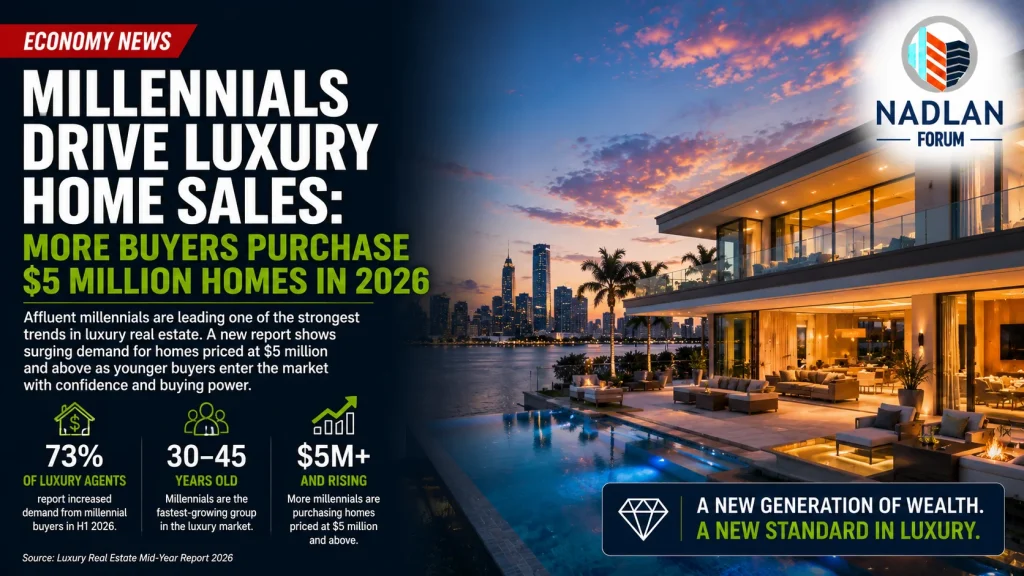
The luxury housing market continues to outperform many other segments of U.S. real estate, and millennials are becoming one of the biggest reasons why.
While many first-time buyers continue struggling with high mortgage rates and record home prices, a growing number of affluent millennials are purchasing luxury homes worth more than $5 million. Industry experts say the trend is being driven by a combination of successful careers, growing wealth in the technology sector, strong investment gains, and one of the largest intergenerational wealth transfers in U.S. history.
As younger high-net-worth buyers enter the luxury market earlier than previous generations, developers, real estate agents, and investors are seeing noticeable changes in the types of homes buyers want and where they are choosing to live.
Millennials Become the Fastest-Growing Luxury Buyer Group
According to a recent mid-year luxury real estate market analysis, millennials are now the fastest-growing group of buyers in the high-end housing market.
The generation, generally ranging from 30 to 45 years old, is becoming increasingly active in purchasing homes priced above $5 million.
Nearly 73% of luxury real estate professionals surveyed reported seeing increased demand from millennial buyers during the first half of 2026.
Many agents also noted a growing number of transactions involving properties valued between $7 million and $25 million, reflecting how quickly younger affluent buyers are entering the luxury market.
Unlike previous generations that often purchased luxury properties later in life, many millennials are reaching this segment while still in the early or middle stages of their careers.
The Great Wealth Transfer Is Changing the Market
One of the biggest forces behind this shift is the ongoing transfer of wealth between generations.
Financial experts estimate that approximately $124 trillion in assets will be passed from older generations to younger family members over the coming decades, making it one of the largest wealth transfers in history.
Many affluent families are choosing to transfer portions of their wealth earlier rather than waiting until inheritance occurs.
Changes to federal lifetime gift tax limits have also encouraged some high-net-worth households to provide substantial financial assistance to their children while they are still alive.
Earlier access to family wealth allows many younger buyers to purchase luxury homes years before they otherwise could have afforded them independently.
For many families, these transfers are viewed as a long-term financial planning strategy while also helping younger generations establish financial stability through homeownership.
Technology Careers Continue Creating New Wealth
Although inherited wealth plays an important role, it is not the only reason millennials are entering the luxury market.
The rapid growth of technology companies, artificial intelligence, software development, private equity, and startup entrepreneurship has created a large number of younger high-income professionals.
Many individuals have accumulated substantial wealth through:
- Stock compensation
- Company equity
- Startup acquisitions
- Investment portfolios
- Executive leadership positions
- Business ownership
These financial gains have expanded the pool of younger buyers who can qualify for multimillion-dollar real estate purchases without relying entirely on family wealth.
Luxury Buyers Are Focusing on Lifestyle
Today’s luxury buyers are purchasing homes differently than previous generations.
Rather than viewing high-end real estate solely as a financial investment, many millennials see luxury homes as long-term lifestyle assets.
They are searching for properties where they can live, work, entertain, and raise families over many years.
As remote and hybrid work arrangements continue, buyers place greater value on homes that support everyday living rather than simply serving as vacation properties or investment holdings.
This shift has influenced both home design and purchasing priorities across the luxury market.
Wellness Features Are Becoming Standard
One of the biggest trends shaping luxury construction is the growing demand for wellness-focused homes.
Many affluent buyers now prioritize features that promote physical health, mental well-being, and environmental comfort.
Popular amenities include:
- Advanced air purification systems
- Whole-home water filtration
- Dedicated fitness centers
- Cold plunge and ice bath facilities
- Spa-style bathrooms
- Smart home technology
- Biophilic design that incorporates natural light and greenery
- Outdoor wellness spaces
Developers increasingly include these features in new luxury homes because buyers now view them as essential rather than optional.
Social Media Is Influencing Luxury Home Design
Millennial buyers have also helped reshape how luxury homes are marketed and designed.
Unlike earlier generations, many younger affluent buyers are heavily influenced by digital content and social media.
Move-in-ready homes with high-quality architecture, modern interiors, designer finishes, and visually appealing outdoor spaces tend to receive stronger buyer interest.
Luxury properties that photograph well and provide flexible spaces for work, entertainment, and wellness often command premium prices.
Developers increasingly design homes that combine long-term functionality with contemporary aesthetics that appeal to younger buyers.
Luxury Market Remains Strong Despite Broader Housing Challenges
The strength of the luxury market contrasts sharply with conditions facing many middle-income buyers.
Across much of the United States, affordability remains one of the biggest obstacles to homeownership.
Higher mortgage rates, elevated home prices, rising insurance costs, and increased living expenses continue limiting purchasing opportunities for many households.
The average home price now exceeds several times the average annual household income, making it increasingly difficult for first-time buyers to enter the market without significant savings or financial assistance.
While luxury buyers often purchase homes with substantial cash reserves or larger down payments, many average-income households continue facing affordability challenges that have intensified over recent years.
Women Are Expected to Benefit From Future Wealth Transfers
Financial analysts also expect women to play an increasingly important role in future luxury housing demand.
As wealth continues transferring between generations, women are projected to receive a significant share of inherited assets over the coming decades.
This shift is expected to increase female participation in luxury homeownership, investment property purchases, and long-term real estate planning.
Greater financial independence and higher professional incomes are also contributing to changing buyer demographics across the luxury market.
What This Means for the Luxury Housing Market
The growing presence of younger affluent buyers is changing how developers, builders, and luxury real estate professionals approach the market.
Demand is increasingly centered on homes that combine:
- Modern architecture
- Smart home technology
- Flexible floor plans
- Energy efficiency
- Wellness amenities
- Privacy and security
- Long-term livability
Rather than focusing solely on prestige or square footage, many buyers are prioritizing homes that support changing lifestyles while preserving long-term value.
This evolution is likely to influence luxury housing development for years to come.
Final Thoughts
Millennials are rapidly becoming one of the most influential groups in the luxury real estate market. Supported by successful careers, expanding technology wealth, investment gains, and the largest intergenerational wealth transfer in U.S. history, more younger buyers are purchasing homes valued at $5 million and above.
At the same time, the broader housing market continues to tell a very different story. While affluent households are entering the luxury segment earlier than ever, many middle-income buyers still face significant affordability challenges due to high home prices and elevated borrowing costs.
As wealth continues shifting between generations and buyer preferences evolve, millennials are expected to play an even larger role in shaping the future of luxury real estate throughout the remainder of the decade. For direct financing consultations or mortgage options for you visit 👉 Nadlan Capital Group.























Responses