
Could Federal Land Be the Key to Solving the U.S. Housing Crisis? Experts Say It’s Only Part of the Puzzle


As the U.S. continues to struggle with a persistent housing shortage, a fresh debate is unfolding over whether federally owned land could provide a meaningful solution. A recent Realtor.com report digs into the issue and while there’s potential, the findings suggest that relying on federal land alone won’t fix the problem.
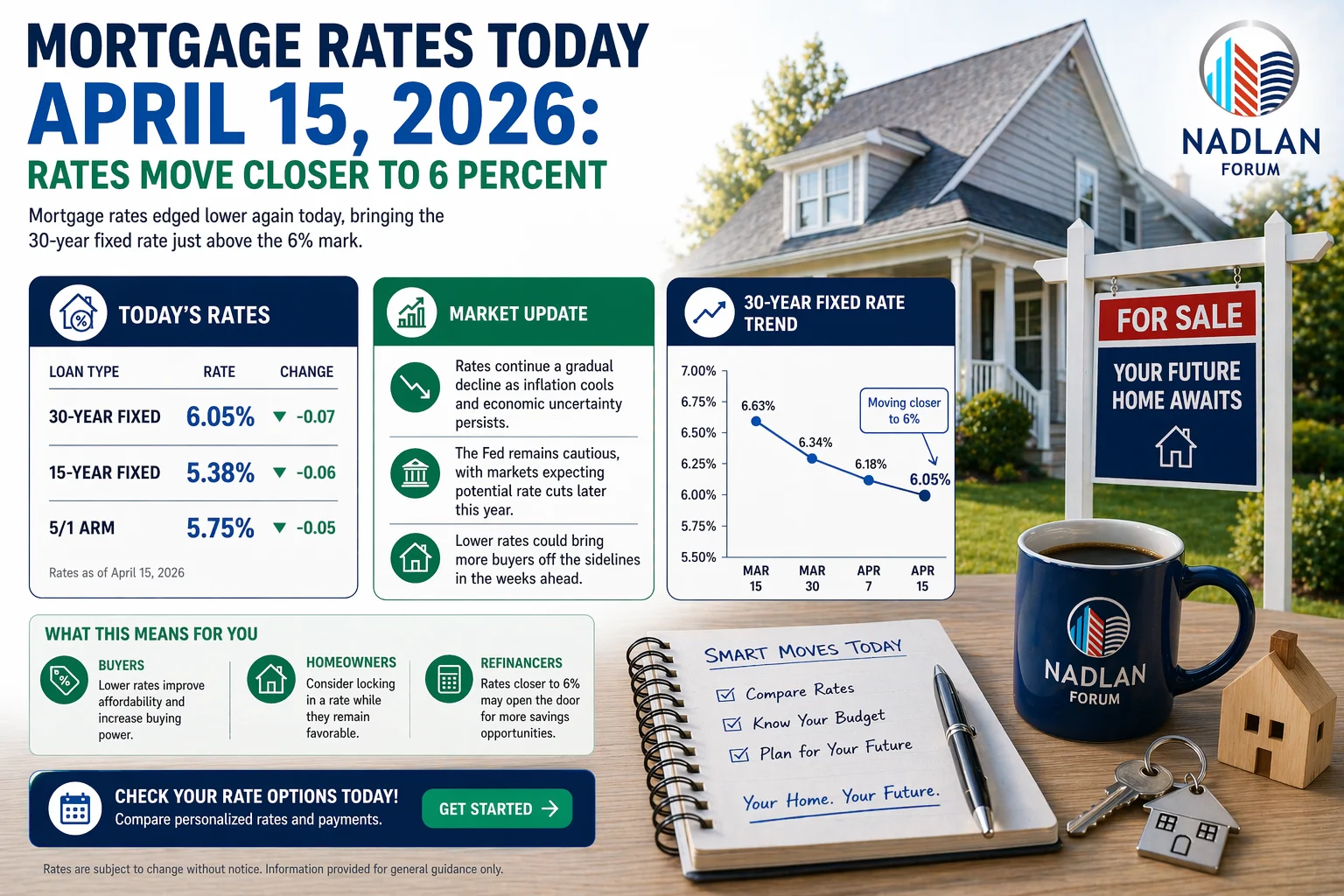
In June 2025, the housing market showed signs of movement, with overall inventory rising 12% year-over-year to just over 2 million homes. Still, the number of newly listed properties dipped 3.2%, and housing supply remains below pre-pandemic levels. With mortgage rates hovering near 7%, affordability remains a major barrier, especially for first-time buyers.
Against this backdrop, lawmakers and industry experts are considering whether unlocking federal land for residential development might ease the supply crunch. But geography, density, and infrastructure limitations suggest the approach has real constraints.
Geography Isn’t On Our Side
According to the Realtor.com study, using federal land to build four million new homes—the estimated national shortage would require about 10 million acres. But here’s the catch: most federally owned land is concentrated in the West and Alaska, far from the densely populated regions with the highest housing demand.
“In cities like New York, Boston, or D.C., where the need is greatest, there’s practically no developable federal land available,” explained Danielle Hale, Chief Economist at Realtor.com. “These areas need zoning reform and land-use policy changes more than anything else.”
The Northeast alone has a shortfall of over 800,000 homes, but lacks the public land needed for major housing development. That means that even if Congress opened up vast swaths of federal property, much of the new housing would be built far from jobs, transit, and schools—areas unlikely to attract enough buyers or renters without a broader economic shift.

It’s All About Density
How much housing could actually be built on federal land depends heavily on development density. The numbers vary wildly. Manhattan packs in 61 homes per acre, but in sprawling counties like Clark County, Nevada, densities are closer to one home every five acres.
At Manhattan-level density, 90 acres of land could support over 5,000 homes. But at the Las Vegas model? The same acreage would yield only 20 homes. To meet demand at the national median density, we’d still need nearly 10 million acres an area roughly the size of Massachusetts and New Hampshire combined.
Policy Tools Beyond Land Sales
Small-scale efforts are already underway. The Bureau of Land Management has auctioned off parcels near Las Vegas to developers. But experts stress that broader housing policy reforms are needed—particularly in regions where housing is expensive but developable land is scarce.
“Unlocking federal land is a good tool, but it needs to be part of a larger strategy,” Hale noted. “We need to fix zoning, increase infrastructure investments, and create incentives for ‘missing-middle’ housing like duplexes and triplexes in urban areas.”
A Political Push for Federal Land Sales
Meanwhile, Congress is actively exploring ways to convert federal land into revenue and real estate opportunities. The House Natural Resources Committee has advanced a “Land Disposal Amendment” as part of broader budget legislation. It proposes reducing federal holdings in Nevada and Utah to support affordable housing and increase fossil fuel production.
The proposed legislation would:
- Resume quarterly oil and gas lease sales, potentially generating $12 billion.
- Authorize 30 offshore lease sales in the Gulf of Mexico and six in the Cook Inlet.
- Reinstate leasing in the National Petroleum Reserve and Arctic National Wildlife Refuge.
- Increase timber sales and support long-term logging contracts.
- Allow geothermal and coal development.
- Invest in water infrastructure in the western U.S.
- Allocate funds to commemorate America’s 250th anniversary, including a new National Garden of American Heroes.
Supporters say this plan would generate billions in revenue while opening land for energy and housing uses. Critics warn it could trade long-term environmental value for short-term gains and won’t do much to address housing in the urban areas that need it most.
The Bottom Line
Opening up federal land for development can help but it won’t solve the housing crisis on its own. To make real progress, experts agree that a combination of zoning reform, infrastructure investment, and smarter land use policy is needed. Federal land may be part of the fix, but it’s not the magic bullet America’s housing market is looking for. For direct financing consultations or mortgage options for you visit 👉 Nadlan Capital Group.

























Responses