
What Americans Really Think About the Housing Market’s Future


The housing market remains a topic of uncertainty for many Americans, with consumer sentiment continuing to reflect a cautious outlook. According to Fannie Mae’s September 2025 National Housing Survey (NHS), the Home Purchase Sentiment Index (HPSI), a key gauge of public opinion on the housing market, has remained flat at 71.4. However, this figure represents a 2.5-point decrease from the previous year, signaling a cooling of confidence among prospective buyers and sellers alike.
The HPSI is made up of six components, including outlooks on buying and selling conditions, mortgage rates, job loss concerns, and income changes. This month, two important subcomponents the Buying Conditions and Mortgage Rate Outlook—saw declines, while an increase in Job Loss Concerns and a positive shift in household income helped offset these declines. Interestingly, despite the overall stagnation, home prices and selling conditions are expected to hold steady, showing little movement from previous surveys.
Key Findings from the HPSI

1. Is it a Good Time to Buy?
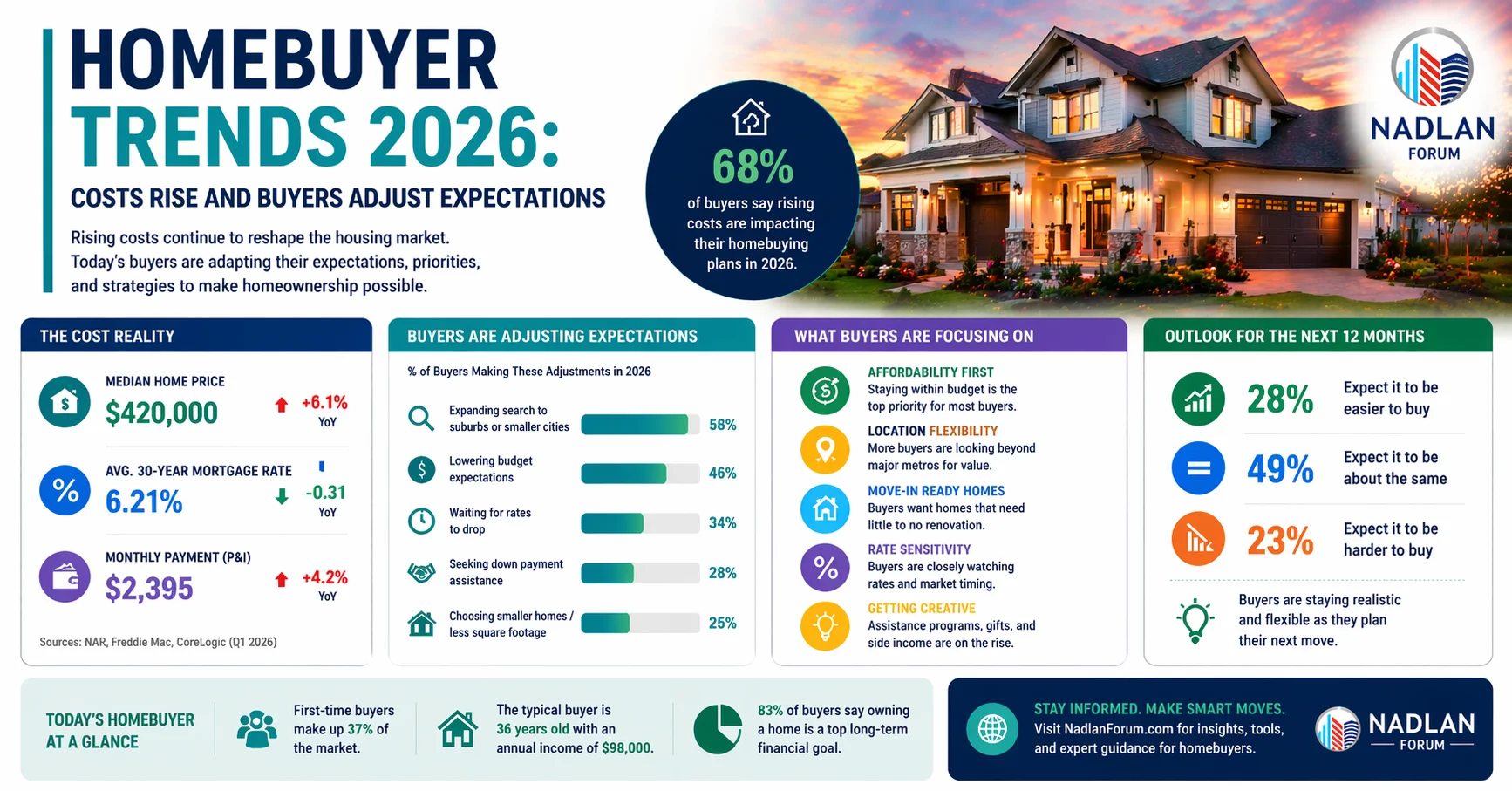
The net proportion of consumers who believe now is a good time to buy a home has dropped by two percentage points to -46%. This reflects a larger share (73%) of respondents who think now is a bad time to purchase, compared to only 27% who still view it as a good time. While this sentiment mirrors concerns over high mortgage rates and home prices, it also suggests that buyers are remaining cautious, even as affordability continues to erode for many.
2. Selling a Home: A Better Opportunity?
On the other hand, the market for sellers remains relatively favorable. The proportion of consumers who view the current market as a good time to sell has stayed unchanged at 57%. However, 41% disagree, indicating that while the demand for homes is steady, not everyone is convinced it’s the right time to take advantage of the market.
3. Home Prices: Stability or Growth?
Despite a subdued outlook on buying, most consumers still anticipate home prices to rise in the near future. The net percentage of those who believe home prices will increase remains unchanged at 18%, with 40% expecting prices to climb and only 22% predicting a decrease. This suggests that, while affordability challenges persist, the housing market is still seen as a place for long-term investment, with most people expecting continued upward momentum.
4. Mortgage Rates Outlook
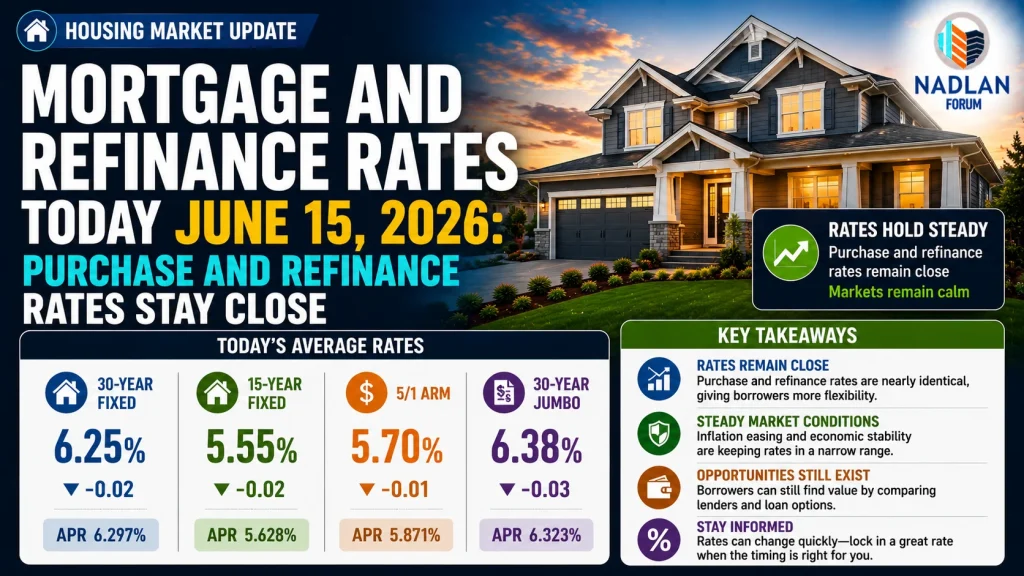
The outlook for mortgage rates has become slightly more pessimistic. In September, the net percentage of consumers who believe mortgage rates will drop in the next 12 months fell by five percentage points to just 2%. With rates remaining high by historical standards, many prospective buyers and homeowners are unsure when or if they will experience significant relief.

Consumers’ Perception of the Housing Market
5. Rising Rental Prices
Consumers are also feeling the heat in the rental market. The survey showed that 64% of respondents anticipate rising rental prices, which is a 1% increase from the previous month. A growing concern for renters, the expectation is that rental prices will rise 6% over the next year, a 1.1 percentage-point increase from August. With housing affordability challenges extending to the rental market, this signals growing pressure on household budgets.
6. Shifting Homeownership Preferences
The percentage of consumers who would choose to buy a home if they were moving dropped slightly to 67%, while those who would prefer to rent increased by 1% to 33%. This shift suggests that while buying remains a goal for many, renting is becoming an increasingly attractive option for those who are unable to take on the financial burden of homeownership in the current market.
Job Concerns and Household Income
7. Job Loss Concerns
The survey indicated a slight improvement in consumer job security. The percentage of employed individuals who are not worried about losing their jobs increased by 5%, reaching 50%. This is an encouraging sign for the overall economy, suggesting that more consumers feel stable in their employment, which could provide some relief for housing demand in the near term.
8. Household Income Trends
On the income side, more consumers report improved financial stability. Six percent more respondents indicated that their household income was higher than it was a year ago. With 77% saying their income has remained roughly the same, the steady income growth may encourage some to continue pursuing homeownership, though financial constraints remain a key hurdle.
Economic Outlook

9. The Economy’s Direction
Consumer sentiment on the overall state of the economy took a slight downturn, with 67% of respondents indicating they believe the economy is headed in the wrong direction, a 3% increase from last month. Conversely, only 32% are optimistic about the economy’s direction, down 3 percentage points from the previous month. This shift in perception may reflect broader concerns about economic instability, which can influence consumer confidence in making big financial decisions like purchasing a home.
Future Expectations: A Mixed Bag
10. Home Prices and Rent Increases
Looking ahead, consumers expect home prices to rise an average of 1.8% over the next year, which represents a slight increase from last month. This optimism is tempered by rising expectations for rental price hikes, which consumers expect to climb by 6% on average, signaling that affordability is tightening in both the homebuying and rental markets.
Conclusion
While the HPSI remains relatively stable, it highlights the ongoing challenges in the housing market, with concerns about high prices, interest rates, and affordability overshadowing the optimism for home price growth. Consumers are feeling uncertain about both buying and selling, with most opting for rental options or holding off on home purchases. Despite these concerns, the outlook for housing prices remains positive, albeit slower than previous years. Economic and job security improvements provide some optimism, but with home prices expected to rise and rental costs to increase, many households are feeling squeezed. It’s clear that more strategic, long-term planning will be required for potential homeowners in the coming months.For direct financing consultations or mortgage options for you visit 👉 Nadlan Capital Group.
























Responses