
Rate Cuts Expected in 2026, But Mortgage Relief Could Be Modest

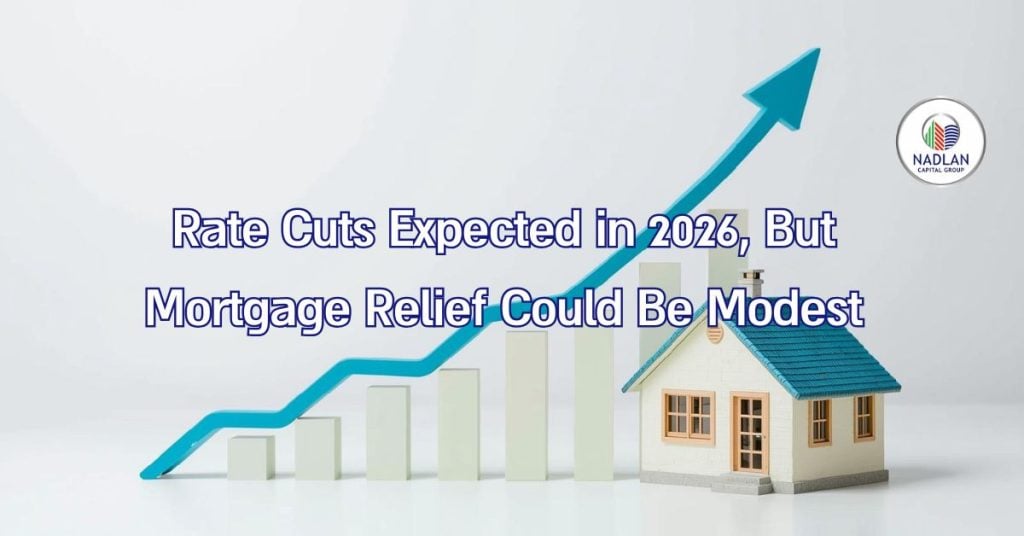
Interest rate cuts are widely expected in 2026, but lower mortgage rates are far from guaranteed. While borrowing costs tied to the Federal Reserve may ease, mortgage relief for homebuyers could be limited.
According to Bankrate, the Federal Reserve is likely to cut interest rates by another 75 basis points in 2026. That would extend the easing cycle that began in September 2024. Since then, the Fed has already reduced rates by a total of 175 basis points. Another cut could come as soon as the January meeting of the Federal Open Market Committee.
Still, not all forecasters agree the Fed will move that quickly.
Economists Divided on How Fast Rates Will Fall
Jan Hatzius, chief economist at Goldman Sachs, recently said the Fed may pause in January before resuming cuts later in the year. His outlook calls for reductions in March and June, bringing the federal funds rate down to about 3%–3.25%, from the current range near 3.75%–4%.
Other major banks are even more cautious. According to Reuters:
- JPMorgan Chase expects the Fed’s next move after 2026 could be a rate hike in 2027
- Barclays and Morgan Stanley both expect rate cuts to be delayed until later in 2026
This split shows just how uncertain the outlook remains.
Why Mortgage Rates May Not Drop Much
Even if the Fed cuts rates, mortgage rates may not follow closely. Fed policy directly affects short-term rates and products like home equity lines. Mortgage rates, however, are more closely tied to the 10-year Treasury yield.
Ted Rossman, senior industry analyst at Bankrate, warns that future rate cuts may come for the wrong reasons. If the Fed lowers rates because unemployment rises or the economy slows, lenders may become more cautious. That could limit how much mortgage rates fall, or even keep them elevated.
Bankrate also notes that some recent rate cuts were driven by job market weakness rather than easing inflation. That matters because investors worry about inflation returning if rates fall too quickly.
Politics and Market Confidence Add Risk
Another layer of uncertainty surfaced in January, when U.S. prosecutors began investigating current Fed Chair Jerome Powell. A report from The Wall Street Journal said the probe could also serve as a warning to Powell’s eventual successor.
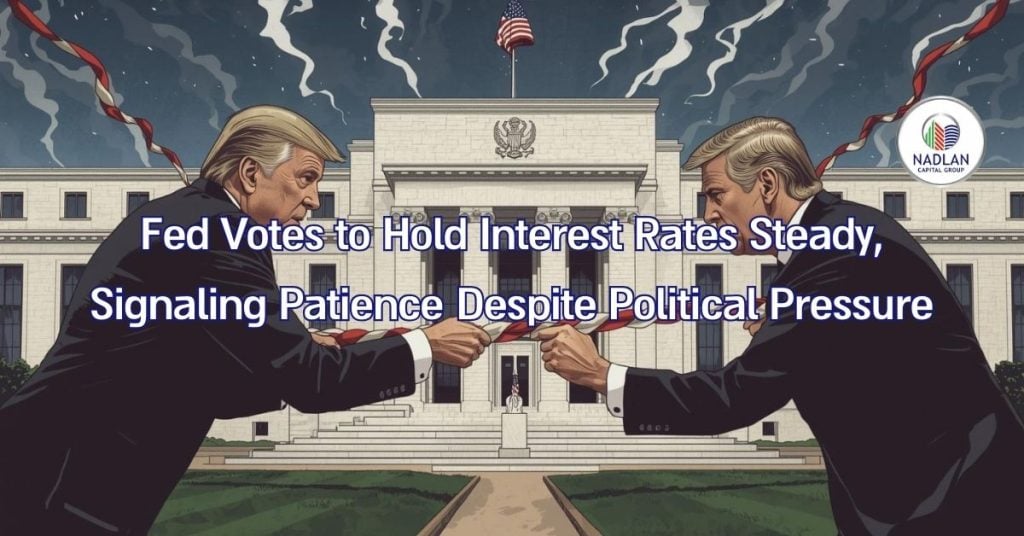
President Trump is expected to appoint a new Fed chair who favors lower interest rates. But if markets believe the central bank is cutting rates due to political pressure rather than economic data, long-term rates could move higher instead of lower.
As Bankrate explains, that concern could push mortgage rates up even as the Fed cuts its benchmark rate.
A Middle-Ground Outcome Is Most Likely
Rossman says the most realistic path is somewhere between aggressive cuts and a full pause. In that scenario, the Fed trims rates slowly to support a cooling labor market while inflation continues to drift toward the Fed’s 2% goal.
For homebuyers and homeowners, that likely means some relief, but not a return to ultra-low mortgage rates. Even with Fed cuts in 2026, mortgage rates may stay higher than many expect, shaped by inflation fears, economic data, and investor confidence rather than Fed policy alone. For direct financing consultations or mortgage options for you visit 👉 Nadlan Capital Group.

























Responses