
Affordable Housing Initiative in Illinois: Governor Pritzker’s New Budget Proposal for 2026

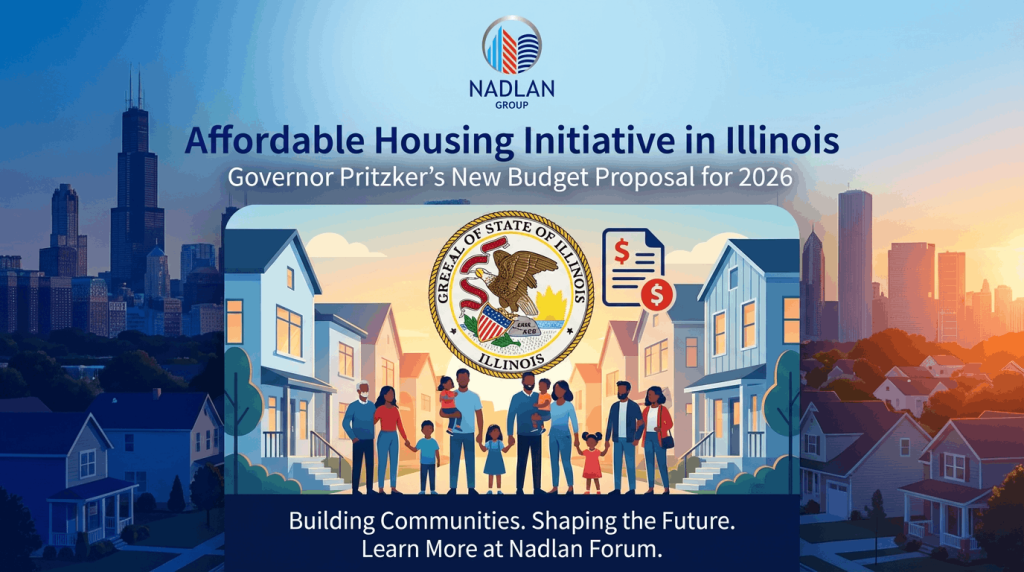
In a bid to address the housing affordability crisis in Illinois, Governor J.B. Pritzker has unveiled a proposal that includes at least $250 million in funding to support affordable housing development. The proposal, part of the 2026 state budget, is designed to address the state’s 142,000 housing shortage and to encourage more housing construction across Illinois.
The plan, which has been named “Building Up IL Developments” or BUILD, also includes significant reforms to zoning regulations, with the aim of increasing housing density and making it easier for developers to build new homes. This initiative is seen as a response to Illinois’ growing housing crisis, which has led to rising rents and a significant gap between demand and supply.
Key Elements of the BUILD Initiative
Governor Pritzker’s housing initiative includes several measures designed to boost construction and make homes more affordable. Among the key components are:
- Statewide Zoning Reform: The plan includes zoning changes that would allow multi-unit housing on residential lots, replacing the current restrictions that limit many areas to single-family homes. It includes a sliding scale for larger residential lots, potentially permitting up to eight units per property.
- Legalization of More Housing Types: The initiative seeks to legalize additional housing types such as duplexes, triplexes, townhomes, and accessory dwelling units (ADUs) like basement apartments or granny flats, increasing housing options in suburban and urban areas.
- Streamlining Development Processes: Pritzker’s plan calls for statewide timelines for permit reviews and inspections to reduce delays in construction. Additionally, the proposal suggests removing parking mandates, which have historically raised development costs for housing projects.
- $250M in State Funding: The plan allocates $250 million to fund infrastructure projects essential for new housing development. This includes funding for middle-income housing projects, first-time homebuyer assistance, and support for local initiatives to close financing gaps for smaller developments.
Pritzker emphasized that the goal of these measures is to make homeownership more accessible, tackle high rent prices, and increase housing supply, which is currently not meeting the growing demand in the state.
Opposition and Criticism
While Pritzker’s proposal has been met with support from some housing advocates, it has also faced opposition from local leaders and Republicans in Illinois.
Republican lawmakers have criticized the plan for what they see as excessive government spending, especially as the state faces budget concerns. They argue that a more cautious approach is needed, rather than large-scale investment in housing initiatives.
One of the strongest criticisms came from Peoria Mayor Rita Ali, who voiced her opposition to state-mandated zoning reforms. Ali argued that zoning and land use decisions should remain within the jurisdiction of local governments, not the state.
“Each community in Illinois has unique needs, and imposing a one-size-fits-all solution is not an effective way to address those needs,” Ali said. She represents the Illinois Municipal League, which has advocated for more localized control over housing and zoning policies.
Illinois’ Growing Housing Shortage
The housing crisis in Illinois has been well documented. According to a University of Illinois report, the state is facing a shortage of 142,000 homes, with many residents unable to afford the rising rents and home prices. The Illinois Policy Institute has stated that the state needs an estimated 227,000 new housing units in the next five years to meet demand.
This growing housing gap has driven up costs for both renters and potential homeowners, with many households struggling to find affordable options. The report also noted that Illinois ranked 30th in the nation for housing affordability, a stark contrast to neighboring states that have performed better in providing affordable housing.
Wages vs. Housing Costs
Despite these efforts, experts remain skeptical about whether the BUILD initiative can significantly address the affordability gap. One key issue is that rising home prices have outpaced wage growth in many parts of Illinois, making homeownership out of reach for many families.
While median rents have risen at a faster rate than home prices in 55% of counties, high property prices continue to weigh on potential buyers and investors. Furthermore, even with the introduction of new affordable housing initiatives, many experts worry that these incentives will not sufficiently boost supply or lower costs for lower- and middle-income households.
Addressing Regulatory and Fiscal Barriers
Some housing experts argue that regulatory burdens—including zoning laws and tax incentives—are among the root causes of Illinois’ housing crisis. The Illinois Policy Institute has called for reforms that would make it easier for developers to build homes, such as streamlining the permitting process and removing aesthetic restrictions that drive up construction costs.
While Pritzker’s initiative attempts to address some of these issues, critics believe it may only offset the regulatory costs without tackling the core problem of restrictive zoning laws and the high cost of land in many areas.
The Path Forward
Pritzker’s BUILD initiative is just one of many proposals aimed at addressing Illinois’ growing housing shortage. While the plan has been met with resistance, especially from local officials, it highlights the urgency of finding solutions to an ongoing problem that affects millions of Illinois residents.
With an estimated 227,000 new homes needed over the next five years and significant challenges around affordability, the state faces a tough road ahead. Whether statewide zoning reforms, funding for infrastructure, and homebuyer assistance can address the issue remains to be seen.
As Illinois lawmakers debate the future of the state’s housing policies, the importance of increasing housing supply and making homeownership more accessible continues to be a central issue for the state’s economic and social well-being. For direct financing consultations or mortgage options for you visit 👉 Nadlan Capital Group.


















Responses