
Mortgage Rates Rise Again: 30-Year Fixed Stays Above 6% for Fifth Week

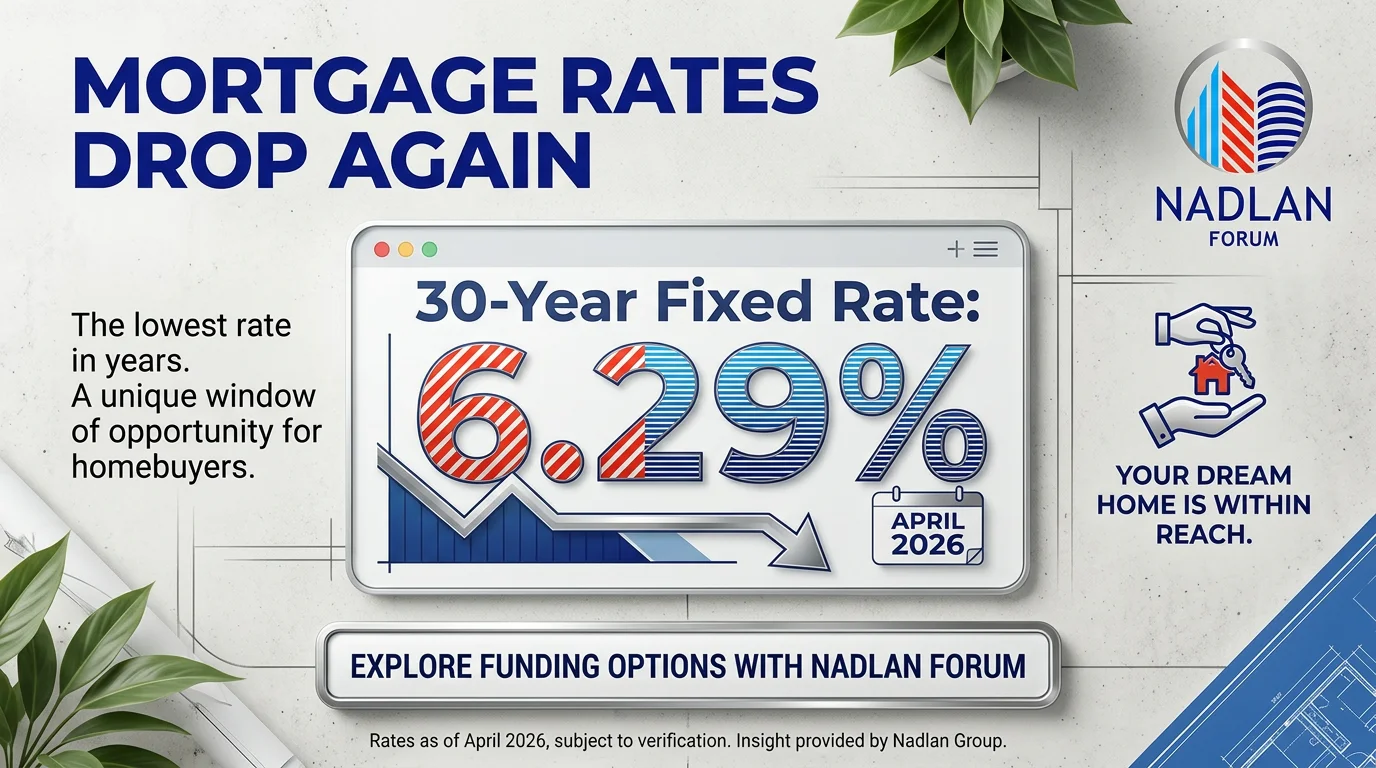
Mortgage rates continue to trend upward, marking the fifth consecutive week above the 6% level. According to Freddie Mac, the average 30-year fixed mortgage rate has climbed to 6.46%, its highest point since early September. Meanwhile, the 15-year fixed rate edged up to 5.77%.
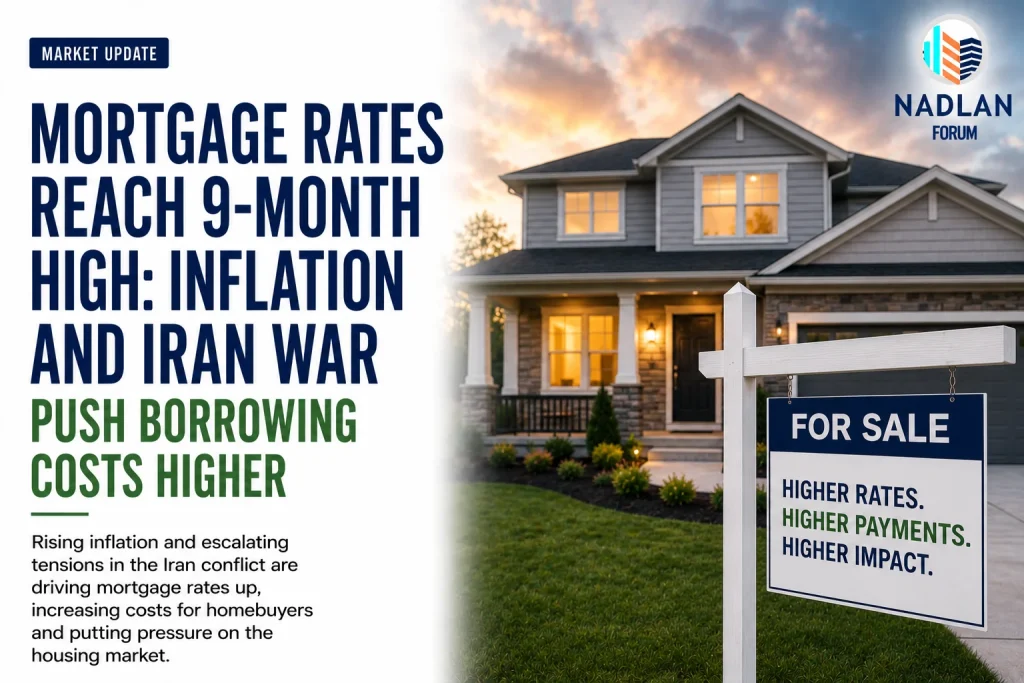
This steady rise comes after several weeks of volatility in financial markets, driven largely by geopolitical uncertainty and shifting expectations around inflation and economic growth.
Market Uncertainty Driving Rate Movements
Mortgage rates have been moving alongside broader financial markets. Stocks and bonds have reacted sharply to ongoing developments tied to global tensions, particularly events in the Middle East.
When investors shift between riskier assets like stocks and safer ones like bonds, mortgage rates tend to follow. In recent weeks, mixed signals have caused rates to move unevenly, but the overall direction has remained upward.
Even small increases in mortgage rates can have a noticeable effect on affordability, especially during the busy spring homebuying season.
Current Mortgage Rates Snapshot
Here are the latest national average mortgage rates:
- 30-year fixed: 6.30%
- 20-year fixed: 6.34%
- 15-year fixed: 5.67%
- 5/1 ARM: 6.26%
- 7/1 ARM: 6.28%
- 30-year VA: 5.84%
- 15-year VA: 5.51%
- 5/1 VA: 5.46%
These rates may vary depending on borrower profile, lender, and location, but they reflect the general trend of elevated borrowing costs.
Refinance Rates Remain Elevated
Refinancing activity continues to decline as rates rise. Here are the latest refinance averages:
- 30-year fixed refinance: 6.42%
- 20-year fixed refinance: 7.00%
- 15-year fixed refinance: 5.87%
- 5/1 ARM refinance: 6.37%
- 7/1 ARM refinance: 5.94%
- 30-year VA refinance: 5.81%
- 15-year VA refinance: 5.42%
- 5/1 VA refinance: 5.17%
Higher rates have made refinancing less attractive for many homeowners, especially those who secured lower rates in recent years.
Mortgage Applications Continue to Decline
According to the Mortgage Bankers Association, mortgage application activity has dropped again this week.
- Refinance applications fell sharply, down 17% week over week
- Overall refinance demand is down more than 40% compared to last month
- Purchase applications declined modestly by about 3%
While higher rates are clearly reducing refinancing demand, home purchase activity is holding up slightly better due to increased inventory and more favorable conditions for buyers.
Spring Housing Season Faces a Test
The spring season is typically the busiest time for home sales, but rising rates could limit momentum. According to economists at Realtor.com, new listings increased by more than 20% from February to March, signaling that sellers are still active.
However, whether buyers respond to this increased supply will depend heavily on borrowing costs and economic confidence.
If uncertainty continues, the market could see slower activity similar to what occurred last year.
Understanding Fixed vs Adjustable Rates
Mortgage borrowers generally choose between fixed-rate and adjustable-rate loans.
A fixed-rate mortgage keeps the same interest rate for the entire loan term, providing stability and predictable monthly payments.
An adjustable-rate mortgage (ARM) offers a fixed rate for an initial period, followed by periodic adjustments based on market conditions. While ARMs can start with lower rates, they carry the risk of higher payments later.
Given current market conditions, many borrowers are leaning toward fixed rates for stability.
What Impacts Mortgage Rates
Mortgage rates are influenced by a mix of personal and economic factors.
Factors borrowers can control:
- Credit score
- Debt-to-income ratio
- Down payment size
- Choice of lender
Factors outside borrower control:
- Inflation trends
- Economic growth
- Federal Reserve policy
- Global events
Right now, broader economic uncertainty is playing a major role in keeping rates elevated.
30-Year vs 15-Year Mortgage: What to Consider
A 30-year mortgage offers lower monthly payments, making it easier for buyers to manage short-term costs. However, it results in higher total interest paid over time.
A 15-year mortgage has higher monthly payments but allows borrowers to pay off their loan faster and save significantly on interest.
Choosing between the two depends on financial goals, income stability, and long-term plans.
The Bottom Line
Mortgage rates have now risen for five straight weeks, with the 30-year fixed rate holding above 6%. While the increases are not dramatic week to week, the trend is adding pressure to affordability.
For buyers, the current market offers both challenges and opportunities. Higher rates increase borrowing costs, but growing inventory and slower demand may provide more negotiating power.
As the spring housing season unfolds, the direction of mortgage rates will remain a key factor shaping market activity in 2026. For direct financing consultations or mortgage options for you visit 👉 Nadlan Capital Group.

















Responses