
Pending Home Sales Fall for Fourth Straight Week: Home Prices Reach New Record

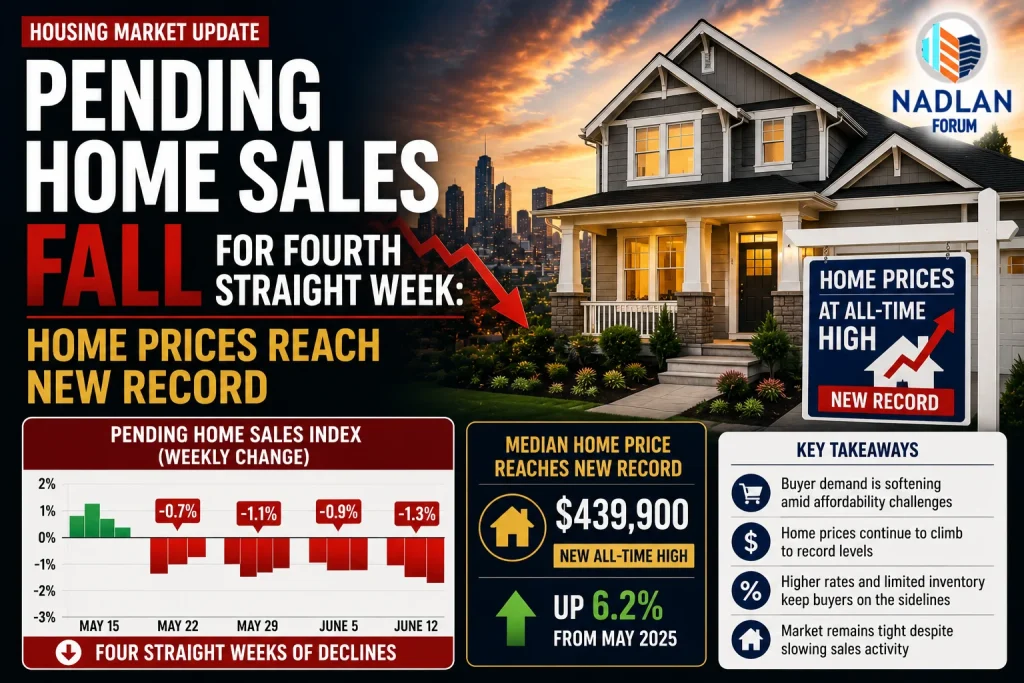
The U.S. housing market continues to send mixed signals as home prices reach new highs while buyer demand slows. Higher mortgage rates, elevated housing costs, and ongoing economic uncertainty are making many Americans think twice about purchasing a home.
Recent housing data shows that pending home sales have now declined for four consecutive weeks. At the same time, the median sale price of an existing home has climbed above $400,000 for the first time, highlighting the affordability challenges facing today’s buyers.
While the market has cooled compared with the frenzy of previous years, home prices remain surprisingly resilient.
Home Prices Reach a New Milestone
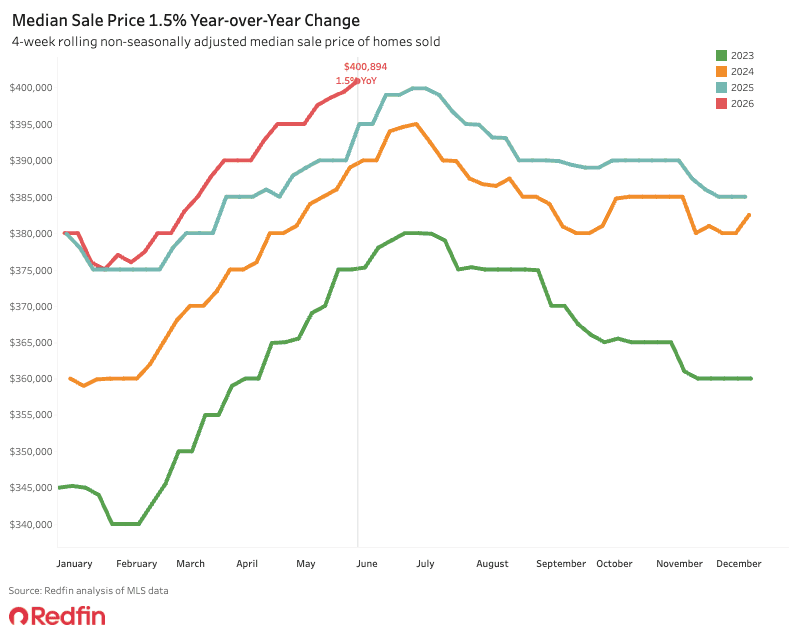
The median U.S. home sale price recently climbed to $400,894, marking a new record.
This milestone reflects a housing market where demand has softened but prices continue to hold up due to limited supply. Even though more homeowners are listing properties for sale, inventory remains below historical norms.
The median asking price also increased to more than $402,000, showing that sellers remain confident despite changing market conditions.
For many households, crossing the $400,000 threshold highlights how difficult homeownership has become, especially for first-time buyers.
High Monthly Payments Continue to Pressure Buyers
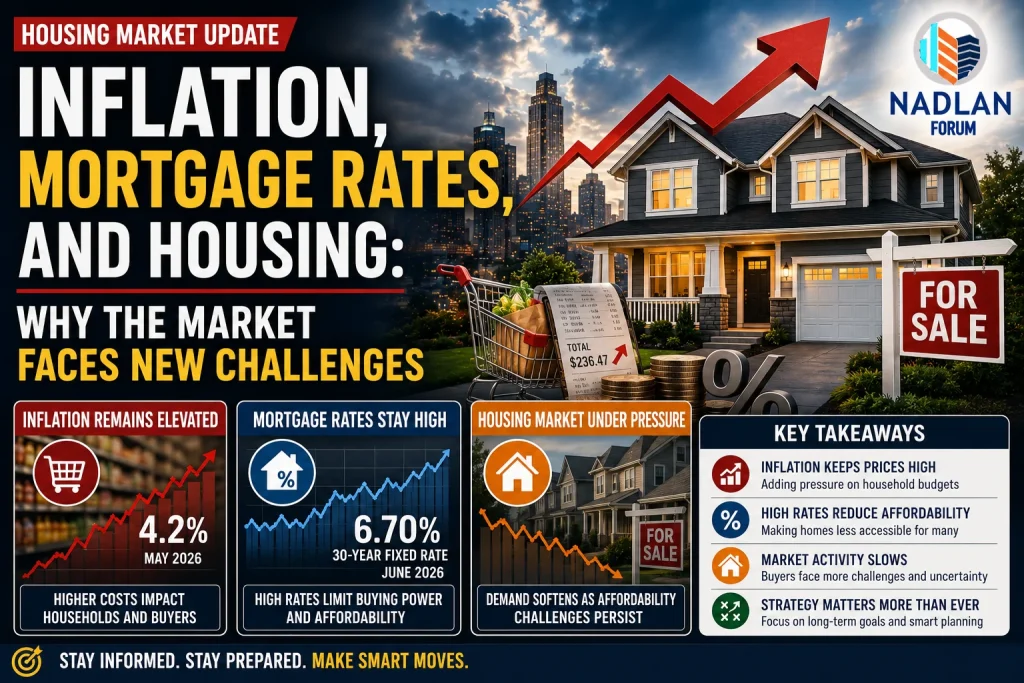
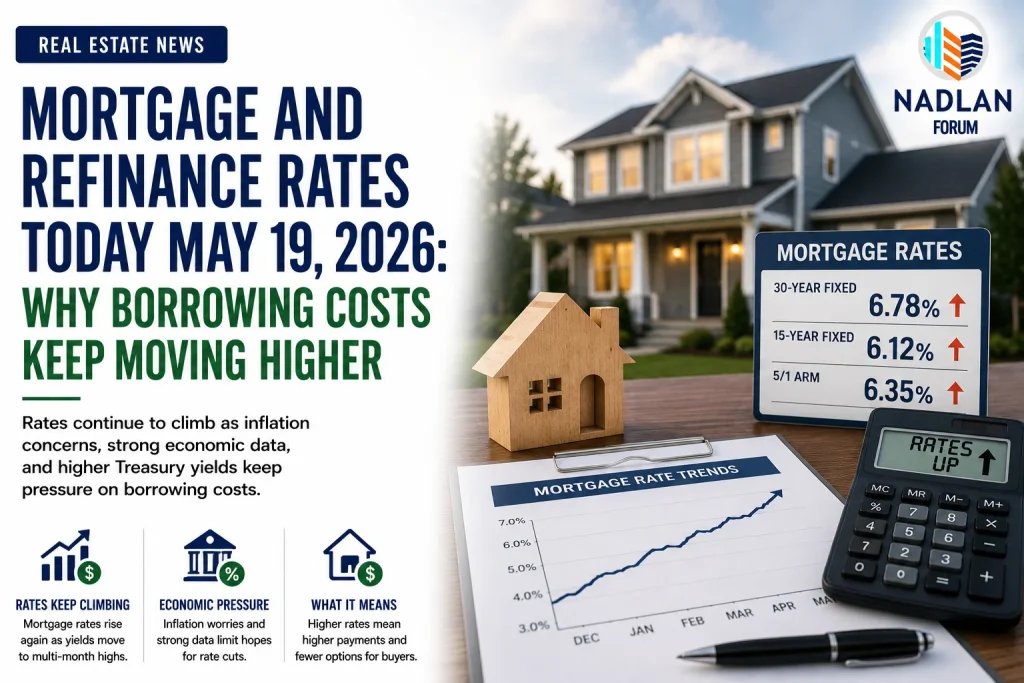
Mortgage rates in the mid-6% range are keeping monthly housing costs elevated.
The typical monthly mortgage payment remains near record levels at approximately $2,619. Although this is slightly below recent highs, it still represents a significant financial commitment for many families.
Higher borrowing costs combined with rising home prices have reduced affordability across much of the country.
Many buyers are delaying purchases, increasing savings, or looking at smaller and less expensive properties.
Pending Home Sales Continue to Decline
One of the clearest signs of a slowing market is the continued drop in pending home sales.
Pending sales have now fallen for four straight weeks as buyers remain cautious.
Several factors are contributing to weaker demand:
- Elevated mortgage rates.
- High home prices.
- Inflation concerns.
- Economic uncertainty.
- Global geopolitical tensions.
- Expectations of future Federal Reserve policy changes.
Many prospective buyers are waiting for improved affordability before entering the market.
Why Are Home Prices Still Rising?
At first glance, rising prices and weaker sales may seem contradictory.
However, several market forces are helping support home values.
Limited Housing Supply
Although more homes are being listed, overall inventory remains relatively tight compared with long-term averages.
Many homeowners who secured mortgage rates below 4% during recent years are choosing not to sell because replacing their existing loan would significantly increase their monthly payment.
Earlier Buyer Activity
Many of today’s completed home sales were negotiated during April and early May when mortgage rates were somewhat lower and buyer demand was stronger.
These earlier contracts continue to influence current pricing data.
Balanced Seller Behavior
Some potential sellers are postponing listings due to uncertain market conditions, limiting the number of available homes and helping prevent large price declines.
Inventory Shows Small Changes
Housing supply continues to improve gradually.
New listings increased modestly compared with a year ago, while active inventory also edged higher.
This slow increase in available homes is giving buyers more choices than they had during the highly competitive markets of previous years.
However, supply remains insufficient to create widespread downward pressure on prices.
Buyers Gain More Negotiating Power
Despite record home prices, conditions are becoming more favorable for buyers in many parts of the country.
As demand slows and inventory improves, buyers are gaining leverage during negotiations.
In many markets, purchasers can:
- Request seller concessions.
- Negotiate repair credits.
- Ask for closing cost assistance.
- Include inspection contingencies.
- Take more time making decisions.
This represents a significant shift from the intense bidding wars that characterized the housing market during 2021 and 2022.
Markets Seeing the Biggest Price Gains
Several metropolitan areas continue to experience strong price appreciation.
Among the strongest performing markets are:
- San Francisco.
- Pittsburgh.
- Newark.
- Nassau County.
- St. Louis.
These markets have benefited from local economic conditions, limited inventory, and steady buyer demand.
Markets Experiencing Price Declines
Not every city is seeing higher prices.
Some housing markets are adjusting after rapid growth during previous years.
Areas experiencing price declines include:
- San Antonio.
- San Jose.
- Orlando.
- Portland.
- Seattle.
Many of these markets saw significant price growth during the pandemic housing boom and are now experiencing more balanced conditions.
New Listings Vary Across the Country
Housing supply trends differ significantly by region.
Some cities have experienced notable increases in new listings, giving buyers more options.
Others have seen declining inventory as homeowners remain reluctant to sell.
These regional differences mean local market conditions can vary substantially from national averages.
Pending Sales Show Regional Differences
Buyer activity also varies across the country.
Several metropolitan areas posted strong gains in pending home sales, while others experienced significant declines.
Markets with improved affordability or stronger local economies have generally attracted more buyers.
Meanwhile, areas facing affordability challenges or slowing economic growth have seen weaker demand.
What This Means for Buyers
Today’s housing market presents both challenges and opportunities.
Higher prices and elevated mortgage rates continue to create affordability concerns.
At the same time, buyers have more negotiating power than they have enjoyed in several years.
For those with stable finances and long-term housing plans, today’s market may offer opportunities to secure better purchase terms than during the highly competitive pandemic years.
What This Means for Sellers
Sellers continue to benefit from relatively strong home prices.
However, pricing a property correctly has become increasingly important.
Homes that are overpriced may remain on the market longer as buyers become more selective.
Competitive pricing and realistic expectations are becoming essential for successful sales.
Housing Market Outlook
The direction of the housing market for the remainder of 2026 will depend largely on mortgage rates, inflation, employment conditions, and consumer confidence.
If borrowing costs ease, buyer demand could improve and support additional market activity.
If mortgage rates remain elevated, sales could continue to slow while home prices stabilize.
Many economists expect a more balanced housing market rather than a dramatic boom or collapse.
Bottom Line
Pending home sales have declined for four consecutive weeks as high home prices and elevated mortgage rates continue to challenge affordability. At the same time, the median U.S. home price has surpassed $400,000 for the first time, highlighting the financial hurdles many buyers face.
Despite slower demand, limited inventory continues to support home values. Buyers are gaining negotiating power in many markets, while sellers still benefit from relatively stable prices. As mortgage rates and economic conditions evolve, the housing market is expected to remain active but more balanced than in recent years. For direct financing consultations or mortgage options for you visit 👉 Nadlan Capital Group.





















Responses