
Mortgage Rates Rise Again in July 09, 2026: Global Uncertainty Pushes Borrowing Costs Higher


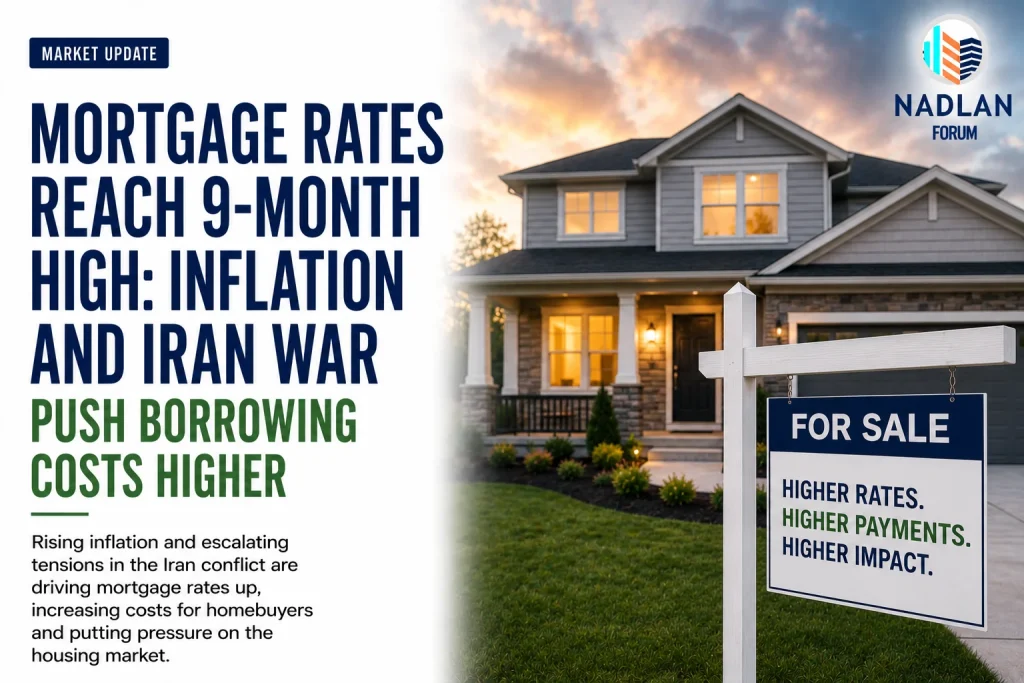
Mortgage rates moved higher this week as renewed tensions between the United States and Iran created new uncertainty in financial markets.
After showing signs of possible improvement in recent weeks, mortgage rates changed direction as investors reacted to rising oil prices, higher bond yields, and concerns that inflation could remain elevated for longer.
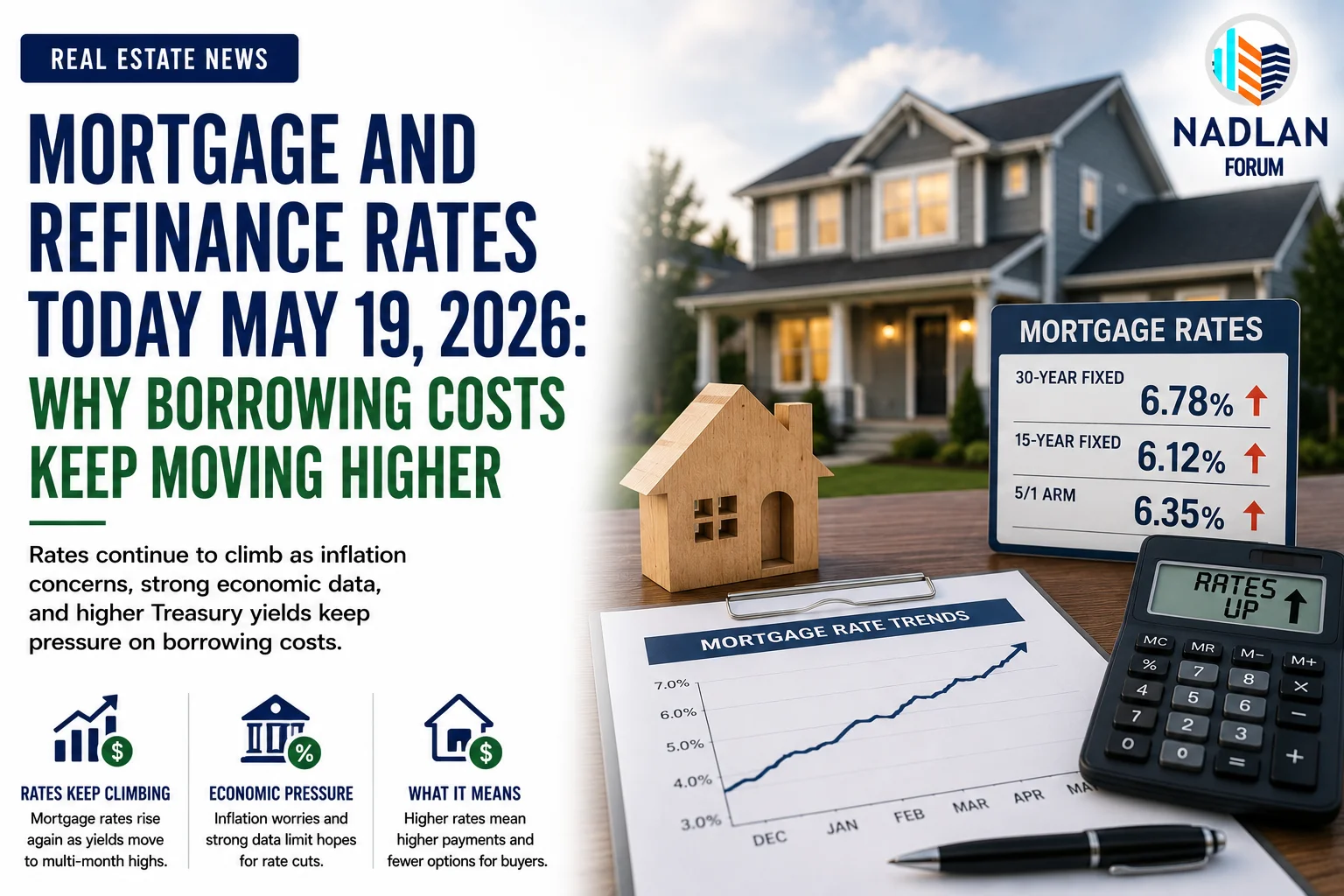
According to Freddie Mac data, the average 30-year fixed mortgage rate reached 6.49% for the week ending Wednesday, increasing from 6.43% the previous week.
The increase shows how quickly mortgage rates can respond to global events, even when the housing market is showing signs of stabilization.
For homebuyers and homeowners considering refinancing, the latest move highlights the continued importance of monitoring economic conditions before making major financial decisions.
Global Events Push Mortgage Rates Higher
Mortgage rates are closely connected to the bond market, especially the yield on 10-year Treasury bonds.
When investors become concerned about inflation or economic uncertainty, bond yields often rise. Higher yields typically lead to higher mortgage rates.
Recent market pressure came after a temporary US-Iran ceasefire collapsed, creating new concerns about:
- Rising oil prices
- Higher inflation
- Future Federal Reserve decisions
- Economic uncertainty
The increase in energy prices is especially important because higher fuel costs can affect the prices of goods and services throughout the economy.
If inflation remains persistent, investors may expect interest rates to stay higher for longer.
Current Mortgage Rates for July 9, 2026
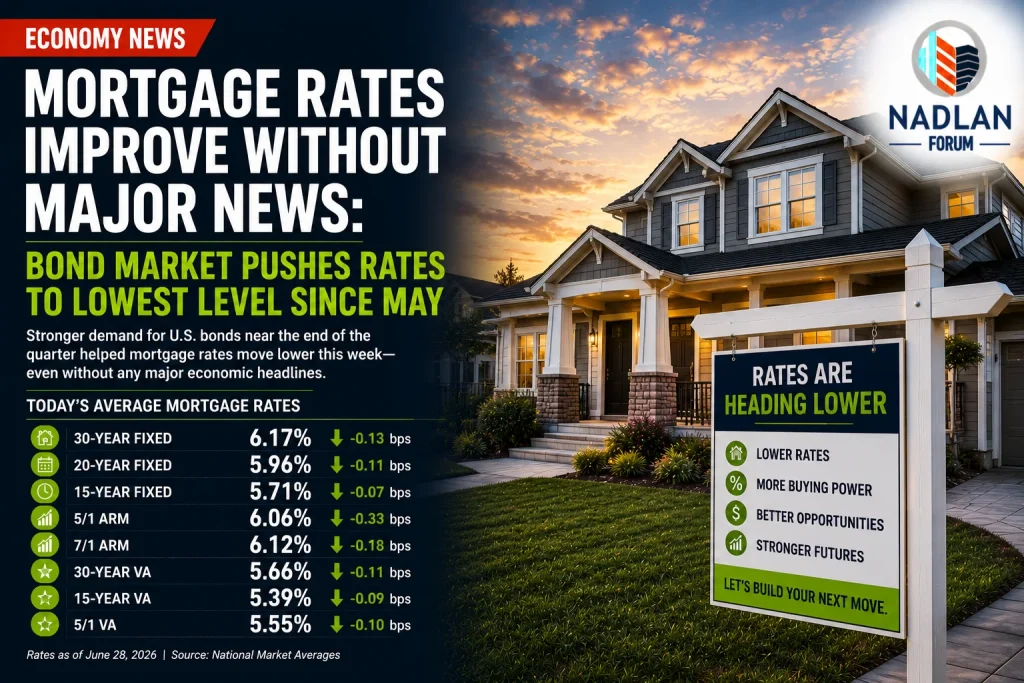
According to the latest market data, current national average purchase mortgage rates include:
- 30-year fixed mortgage: 6.35%
- 20-year fixed mortgage: 6.21%
- 15-year fixed mortgage: 5.94%
- 5/1 adjustable-rate mortgage: 6.35%
- 7/1 adjustable-rate mortgage: 6.27%
- 30-year VA mortgage: 5.93%
These rates represent national averages and individual borrowers may receive different offers depending on:
- Credit score
- Down payment
- Debt-to-income ratio
- Loan type
- Property location
- Financial profile
Refinance Rates Also Remain Elevated
Homeowners looking to refinance are also facing higher borrowing costs.
Current refinance rates include:
- 30-year fixed refinance: 6.44%
- 20-year fixed refinance: 6.46%
- 15-year fixed refinance: 5.91%
- 5/1 ARM refinance: 6.45%
- 7/1 ARM refinance: 6.00%
Refinance rates are often slightly different from purchase mortgage rates because lenders evaluate refinance loans differently.
Homeowners considering refinancing should compare the monthly savings with the upfront costs involved.
Higher Rates Increase Monthly Payments
Even small changes in mortgage rates can significantly affect monthly housing costs.
For example, a home priced at approximately $425,000 with a 20% down payment can result in a monthly payment of more than $2,600 when including estimated taxes and insurance.
Higher mortgage rates increase the cost of borrowing by raising the interest portion of monthly payments.
This is one reason many buyers continue searching for affordable homes, negotiating with sellers, or waiting for better financing conditions.
Why Mortgage Rates React to the Economy
Mortgage rates are influenced by several factors, including:
Inflation
When inflation remains high, investors often expect the Federal Reserve to maintain higher interest rates.
Employment Data
A strong labor market can keep rates elevated because it may encourage continued economic growth and spending.
A weaker labor market can sometimes push rates lower because investors expect easier monetary policy.
Federal Reserve Policy
Although the Federal Reserve does not directly set mortgage rates, its decisions influence financial markets and borrowing costs.
Bond Market Conditions
Mortgage lenders adjust pricing based on movements in financial markets, especially government bond yields.
Fixed-Rate vs Adjustable-Rate Mortgages
Homebuyers choosing between mortgage options must consider their financial goals.
30-Year Fixed Mortgage
A 30-year mortgage remains the most popular option because it offers:
- Lower monthly payments
- Predictable costs
- Protection from future rate increases
The disadvantage is paying interest over a longer period.
15-Year Fixed Mortgage
A 15-year mortgage usually offers:
- Lower interest rates
- Faster payoff
- Less total interest paid
However, monthly payments are higher because the loan is repaid in half the time.
Adjustable-Rate Mortgage
Adjustable-rate mortgages may offer a lower initial payment, but the rate can change after the fixed period ends.
These loans may work well for buyers who plan to sell or refinance before adjustments occur.
What Higher Mortgage Rates Mean for Buyers
Higher rates continue creating affordability challenges.
Many buyers are responding by:
- Looking at lower-priced homes
- Increasing down payments
- Negotiating seller concessions
- Considering different loan programs
- Expanding their search areas
The good news is that a slower housing market has created more negotiating opportunities compared with previous years.
What Homeowners Should Consider Before Refinancing
Refinancing only makes sense when the financial benefits outweigh the costs.
Homeowners should consider:
- Current mortgage rate
- New interest rate
- Closing costs
- How long they plan to stay in the home
- Monthly payment savings
Some homeowners refinance to lower payments, while others refinance to change loan terms or access home equity.
Will Mortgage Rates Fall Later in 2026?
The future direction of mortgage rates will depend on several factors:
- Inflation trends
- Energy prices
- Federal Reserve policy
- Labor market conditions
- Global economic developments
Current forecasts suggest mortgage rates may remain around the mid-6% range throughout 2026.
A significant decline would likely require continued improvement in inflation and a shift toward easier monetary policy.
Final Outlook
Mortgage rates remain one of the biggest factors shaping the 2026 housing market.
The recent increase to around 6.5% shows that global events can quickly change borrowing conditions.
While buyers continue facing affordability challenges, slower home price growth and improving inventory are providing some support.
For borrowers, the best strategy remains focusing on personal financial strength, comparing multiple loan options, and understanding how changing market conditions affect long-term housing costs. For direct financing consultations or mortgage options for you visit 👉 Nadlan Capital Group.




















Responses