
Rising Foreclosures Reflect Growing Economic Strain in U.S. Housing Market

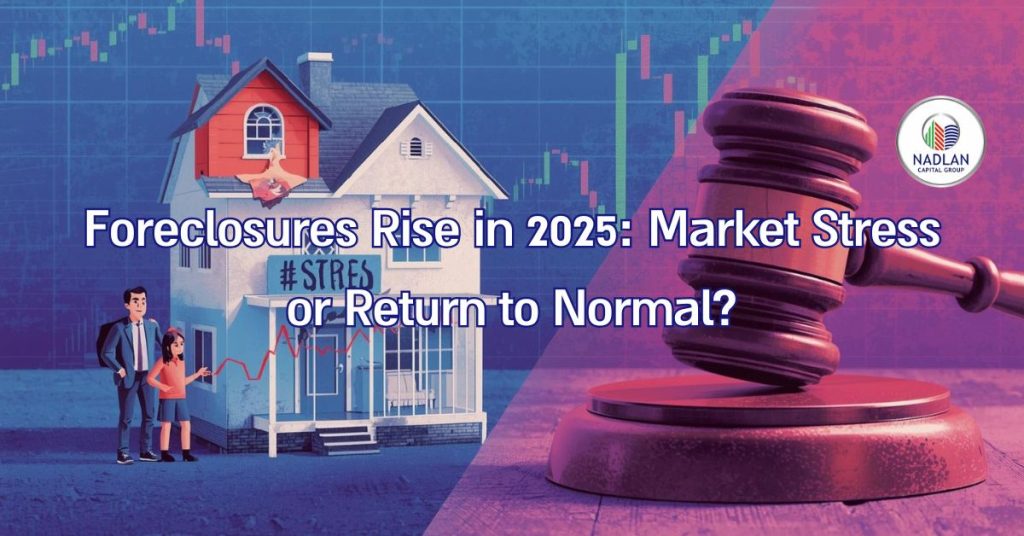
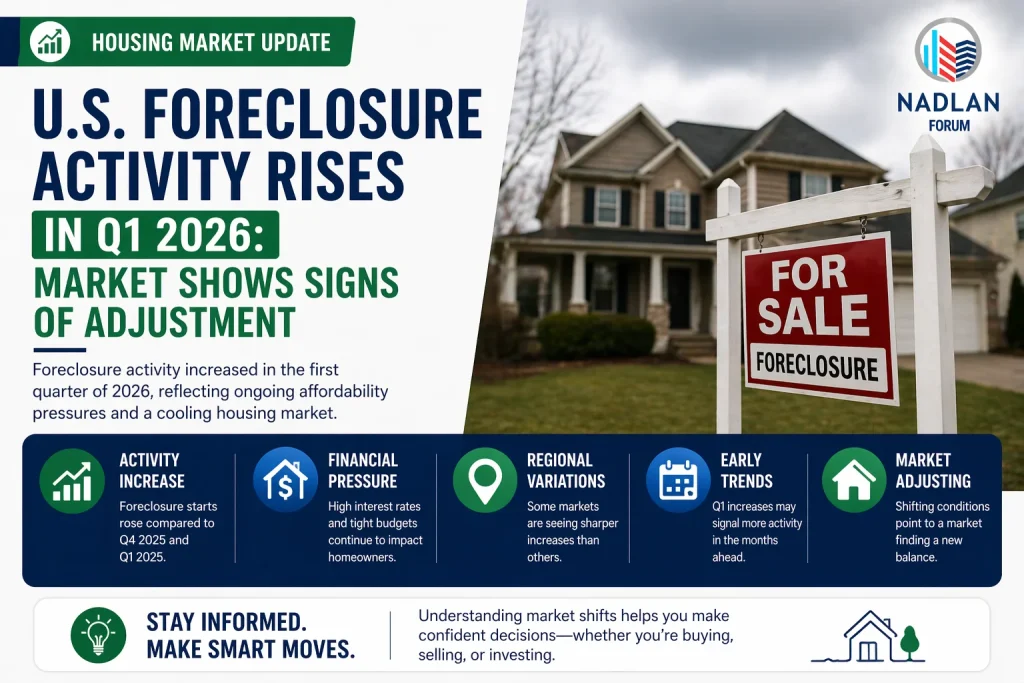
The latest data from the U.S. Foreclosure Market Report for August 2025, compiled by ATTOM, reveals a concerning trend in foreclosure filings, which continue to climb year-over-year. A total of 35,697 properties in the U.S. experienced foreclosure filings, encompassing default notices, scheduled auctions, or bank repossessions (REOs). This marks an 18% increase compared to August 2024, though it represents a slight 1% decline from July 2025. Despite this modest month-over-month decrease, the overall trajectory shows a persistent rise in foreclosure activity for the sixth consecutive month.
Foreclosures Surge: A Sign of Economic Pressure
Rob Barber, CEO of ATTOM, noted that this increase in foreclosure activity is the third consecutive month with double-digit growth, signaling that financial stress continues to weigh on homeowners. While foreclosure levels remain below the peaks seen before the pandemic, the increase in foreclosure starts and completions points to an ongoing strain for many homeowners, exacerbated by the current high-cost, high-interest-rate environment.
In August 2025, lenders completed 4,077 foreclosures, which represents a 5% increase from the prior month and a 41% jump compared to the same period last year. Some of the states with the most REOs in August included Texas (476), California (343), New York (319), Florida (276), and Illinois (232). These figures highlight the geographical distribution of foreclosures, with states like Texas, California, and New York seeing significant levels of bank repossessions.
Areas Seeing the Most Foreclosures
Among the major metro areas with populations exceeding 1 million, Chicago, New York, Houston, San Antonio, and Dallas saw the highest number of foreclosures in August 2025. Specifically, Chicago experienced 159 REOs, New York saw 137, and Houston had 109. These metropolitan areas are facing increased pressure from foreclosures, with many homeowners unable to keep up with rising costs and financial instability.
States with the Worst Foreclosure Rates
The report also highlights states with the highest foreclosure rates, with Nevada leading the pack, experiencing one foreclosure for every 2,069 housing units. South Carolina followed closely with one foreclosure for every 2,152 units, and Florida saw one in every 2,512 units facing foreclosure filings.
In addition to these statewide figures, several metro areas across the U.S. are grappling with particularly high foreclosure rates. Lakeland, FL, had one foreclosure for every 1,212 housing units, making it the area with the worst foreclosure rate in August. Other metro areas with troubling foreclosure rates included Columbia, SC, Chico, CA, and Cleveland, OH. In larger metros, Las Vegas, Jacksonville, Houston, and Orlando also reported high foreclosure rates.
Foreclosure Starts Continue to Climb
Foreclosure starts, or the initiation of the foreclosure process, also saw a significant rise in August 2025. A total of 24,254 U.S. properties entered foreclosure, reflecting a 16.9% increase compared to the same time last year. The states with the highest number of foreclosure starts in August included Texas, Florida, California, New York, and Illinois, further reinforcing the geographic spread of foreclosure activity.
Among large metropolitan areas, New York (1,431), Houston (1,178), and Chicago (1,009) led the nation in foreclosure starts. These figures indicate that many households are finding themselves at the beginning stages of the foreclosure process, with financial distress continuing to mount.
A Glimpse into the Future of Foreclosure Trends
Despite slight monthly fluctuations, ATTOM’s data shows a continued rise in foreclosure activity, with an 18% increase in filings compared to the previous year. The upward trend in both foreclosure starts and REOs underscores the growing economic strain on homeowners. With inflationary pressures, high-interest rates, and economic uncertainty persisting, more households are struggling to maintain homeownership, leading to increased foreclosure activity.
Looking ahead, the outlook for foreclosures will depend heavily on the overall economic situation. The August Consumer Price Index (CPI) report revealed a 2.9% year-over-year increase in inflation, driven in part by higher energy and food prices, which could exacerbate financial difficulties for homeowners. The ongoing impact of tariffs is also contributing to price hikes, adding to the financial strain felt by many families.
Inflation and Tariffs Affect Housing Affordability
The persistent inflationary pressures are influencing both consumer purchasing power and mortgage rates. As inflation erodes affordability, potential homebuyers are finding it more challenging to save for down payments, further straining the housing market. Additionally, inflationary pressures could keep borrowing costs elevated, especially if the recent drop in mortgage rates is simply a result of the anticipated September Federal Reserve rate cut. With market uncertainty surrounding interest rates, housing affordability is likely to remain a significant challenge for prospective buyers.
Jake Krimmel, Senior Economist at Realtor.com, pointed out that inflationary pressures are contributing to a lack of consumer purchasing power, which not only affects the affordability of homes but also results in higher borrowing costs. This, in turn, leads to reduced demand and weaker market sentiment. As Krimmel explains, “Higher inflation means less money for saving toward a down payment, further straining affordability and reducing demand for homes.”
Looking Toward the September Fed Meeting
With inflationary pressures showing signs of persistence, the Federal Reserve’s next move remains a key point of focus for the housing market. Next week’s Federal Open Market Committee (FOMC) meeting will provide more clarity on whether the Fed will opt for another rate cut, potentially alleviating some of the economic strain homeowners are facing.
The future trajectory of the housing market hinges on the interplay between economic data, interest rates, and inflation. As the fall housing market unfolds, both buyers and sellers will have to navigate an unpredictable landscape, shaped by shifting economic conditions and ongoing financial strain.
Conclusion: The Housing Market in Flux
The rise in foreclosure activity and the growing number of REOs signal a turbulent period for the U.S. housing market. Economic pressures, high inflation, and rising interest rates are exacerbating the situation, leaving many homeowners at risk. As the Fed prepares to meet again in September, the future of the housing market and foreclosure trends remains uncertain, with challenges ahead for both homeowners and potential buyers. For direct financing consultations or mortgage options for you visit 👉 Nadlan Capital Group.



















Responses