
Mortgage Refinance Demand Plummets as Interest Rates Reach 3-Week High


Mortgage rates recently experienced a brief uptick, leading to a significant shift in refinancing demand. After falling to a three-year low just two weeks ago, mortgage rates surged back up, hitting a three-week high and cooling off refinance activity. According to the latest data from the Mortgage Bankers Association (MBA), the total volume of mortgage applications dropped by 12.7% in the last week, primarily driven by a sharp decline in refinancing applications.
Refinance Applications See Sharp Decline
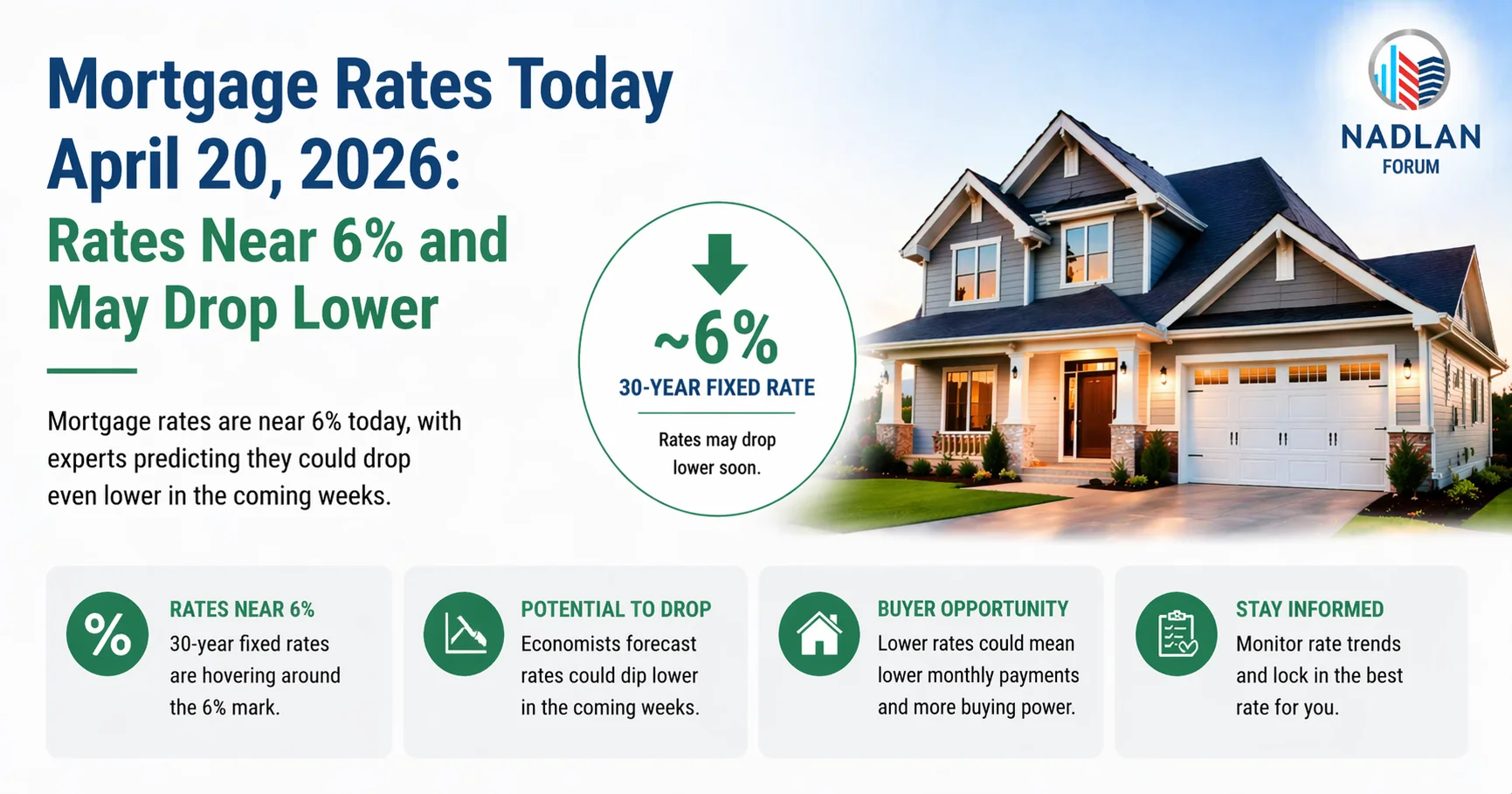
Applications to refinance a home loan plummeted by 21% last week, despite being 16% higher than the same week in 2024. This sharp drop in refinance demand came as the average contract interest rate for 30-year fixed-rate mortgages with conforming loan balances (up to $806,500) rose to 6.46%, up from 6.34% the previous week. This increase in rates, which saw points rise from 0.57 to 0.61 (including the origination fee for loans with a 20% down payment), had a cooling effect on refinancing activity.
The refinance share of total mortgage applications dropped to 55%, down from 60% the week before. The recent surge in refinance activity seen over the past month has now reversed, showing how sensitive refinancing demand is to fluctuations in mortgage rates. Joel Kan, vice president and deputy chief economist at the MBA, stated that the higher rates pushed by recent stronger-than-expected economic data have significantly reduced refinance opportunities, a trend that is likely to be short-lived throughout 2025.
Conventional and VA Refinances Also Take a Hit
The decline in refinancing wasn’t limited to one type of loan; it affected all loan types. Refinancing in conventional loans dropped by 22%, and VA refinance applications saw a more significant decline of 27%. The average loan size for refinances also shrank from $461,300 to $380,100 in just two weeks. This reduction in loan size indicates that many borrowers with larger loans, who may have previously considered refinancing, are now priced out of the market due to the higher rates.
Home Purchase Demand Shows Modest Decline
In contrast to refinancing, mortgage applications for home purchases dropped by 1% last week. However, when compared to the same week in 2024, purchase applications were still 16% higher. This drop in purchase demand follows three consecutive weeks of gains. While the overall demand for home purchases remains strong compared to last year, Joel Kan pointed out that other factors such as economic conditions, job market health, and housing inventory are beginning to impact the strength of the purchase market.
Housing Inventory Challenges Persist
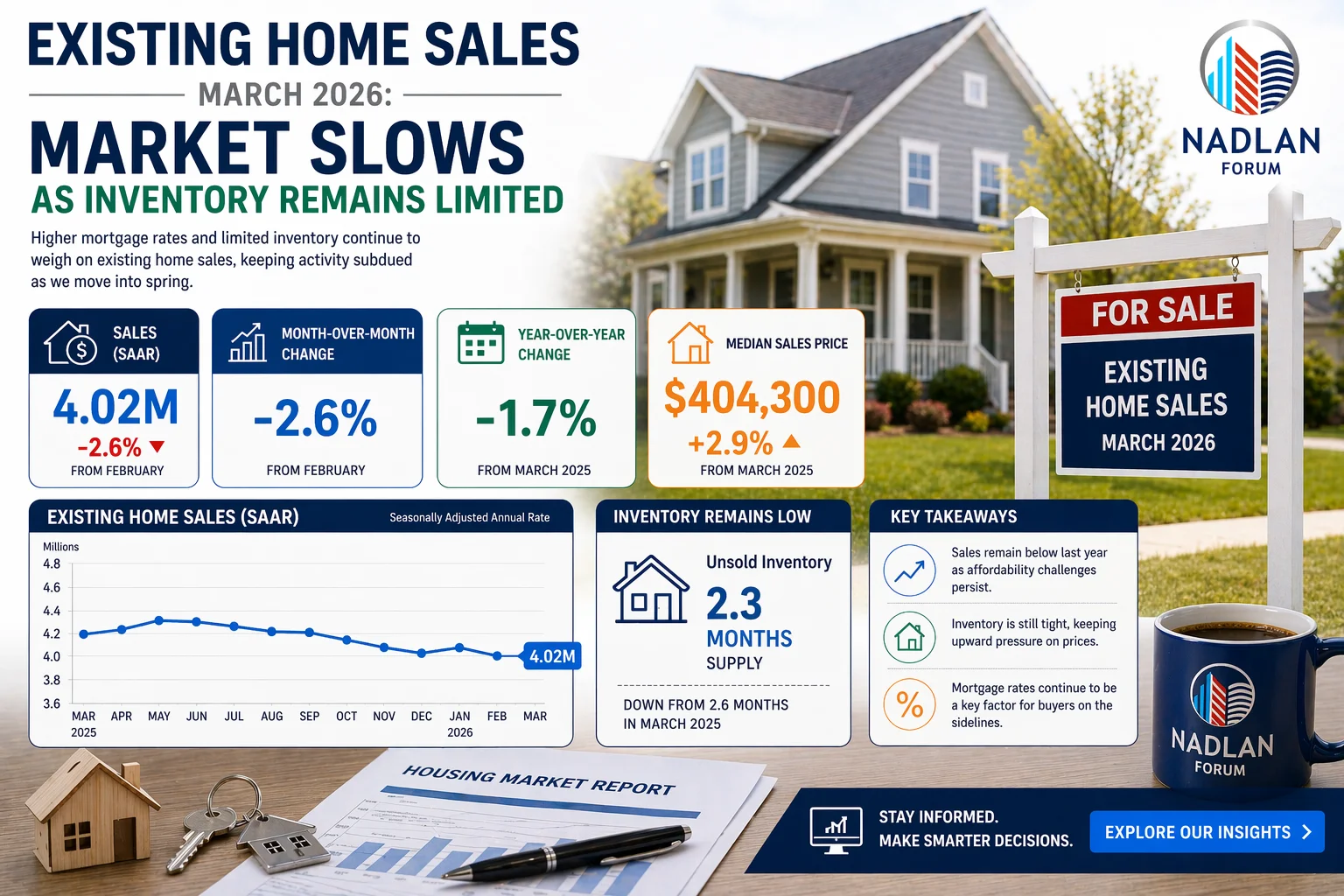
A recent report from the National Association of Realtors (NAR) confirmed that housing inventory in August fell for the first time this year, as more potential sellers are choosing to delay listing their homes or have taken them off the market altogether. While homes are sitting longer than before, keeping the supply somewhat higher than it was a year ago, the inventory rebound seems to be losing momentum. This means that even though inventory is still improving on a year-over-year basis, it may not be enough to address the growing demand for homes.
The Uncertainty of the Government Shutdown
Mortgage rates remained steady at the start of this week, with no immediate movement in sight. However, the pending release of the monthly employment report on Friday was expected to provide more clarity on the direction of rates. But with the ongoing government shutdown, the timing of that report is now uncertain. The lack of reliable economic data amid the shutdown adds an additional layer of uncertainty to the housing and mortgage markets, which were already grappling with the impact of rising rates.
Outlook for the Future
As the year progresses, the housing market is expected to face continued pressure from rising mortgage rates. While rates have shown a tendency to fluctuate, recent data suggests that rates could stay elevated in the short term, making it harder for homeowners to refinance and impacting homebuyers’ purchasing power. For buyers and homeowners looking to refinance, the current market conditions underscore the importance of timing and flexibility.
With inventory levels still constrained and the refinance market cooling off, many buyers may need to wait for more favorable conditions. Similarly, those looking to sell may need to adjust expectations regarding prices and timelines, especially in the higher-end market, where affordability issues are particularly pronounced. As we move into fall, the demand for both purchases and refinances may remain muted unless there are significant shifts in the economic landscape or mortgage rates. For direct financing consultations or mortgage options for you visit 👉 Nadlan Capital Group.
























Responses