
Housing Bill Passed Without Trump’s Signature: What It Means for Homebuyers


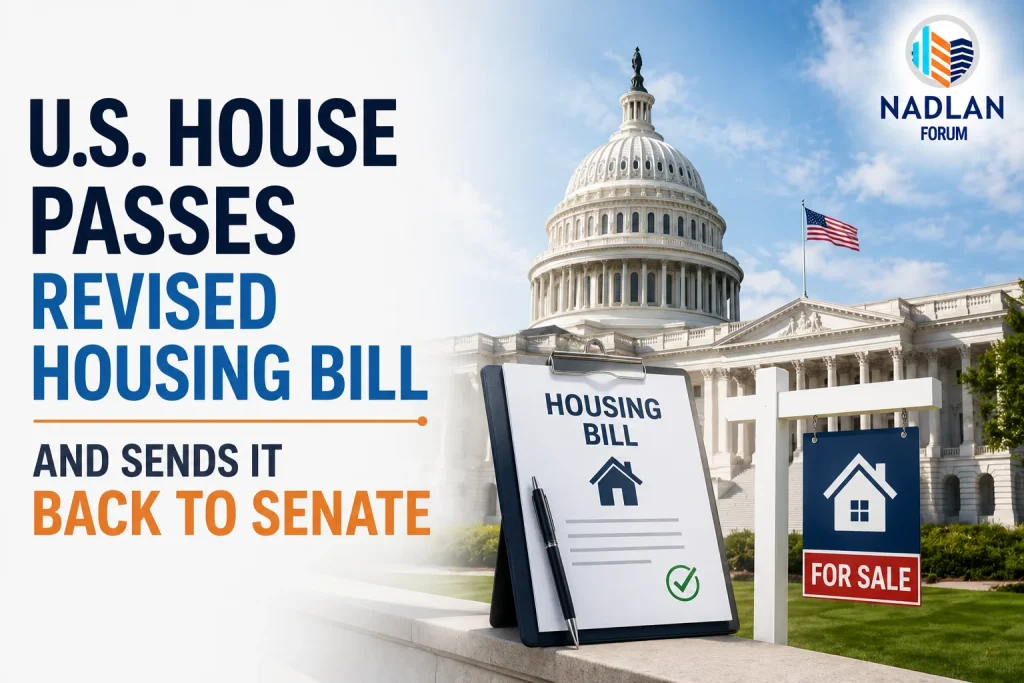
The landmark 21st Century Road to Housing Act officially became law on July 10, 2026, without the signature of President Donald Trump. Despite the absence of his endorsement, the legislation marks one of the most comprehensive housing reform packages in three decades, addressing affordability challenges faced by American households.
The bill’s enactment comes amid widespread concern over rising housing costs and limited supply. Its passage followed months of negotiation in Congress, during which lawmakers balanced competing priorities and integrated provisions aimed at expanding housing production, easing regulatory bottlenecks, and curbing institutional investor influence.
Legislative Journey and Bipartisan Support
The bill experienced delays, including a 10-day hold at the White House after Trump canceled the signing ceremony. Despite this, both the Senate and House passed the final version with overwhelming support:
- Senate: 85-5 vote on June 22, 2026
- House: 358-32 vote on June 23, 2026
President Trump’s refusal to sign stemmed from his preference to prioritize unrelated election legislation, specifically the SAVE America Act. However, the bill automatically became law, reflecting the strong bipartisan commitment to housing reform.
Joel Berner, Senior Economist at Realtor.com, noted that immediate impacts on housing affordability will likely be limited. “It could take years for a meaningful increase in homebuilding to materialize,” he said. “The law is a long-term tool for addressing supply constraints, particularly in areas with restrictive regulations.”
Key Provisions of the 21st Century Road to Housing Act
The legislation spans 381 pages and contains 45 provisions designed to address multiple aspects of housing supply and affordability. Notable measures include:
- Restricting Institutional Investors
- Blocks large corporate buyers and Wall Street firms from bulk purchasing single-family homes
- Implements financial penalties for violations, aiming to preserve homes for owner-occupiers
- Zoning and Land Use Reform
- Establishes a $200 million grant program to reward cities eliminating restrictive zoning
- Penalizes slow-growth communities by reducing Community Development Block Grant funding by 10%
- Regulatory Streamlining
- Accelerates construction timelines by waiving long NEPA environmental reviews for low-impact HUD projects
- Streamlines repetitive property inspections to reduce delays
- Mortgage Access Expansion
- Launches a HUD pilot for small-dollar mortgages under $100,000
- Encourages private bank capital to fund local affordable housing initiatives
- Modernizing Factory-Built Housing
- Updates FHA lending standards to provide parity for manufactured and modular homes with traditional site-built housing
- Disaster Recovery Enhancements
- Permanently authorizes Community Development Block Grant-Disaster Recovery framework
- Protects low-income tenants from losing rental assistance when mortgages mature
Expected Market Impacts
Economists estimate that the U.S. faces a shortage of over 4 million homes due to more than a decade of insufficient construction. By incentivizing homebuilding and streamlining approvals, the legislation aims to gradually increase supply and stabilize affordability.
Danielle Hale, Chief Economist at Realtor.com, explained, “This bill ties federal resources to measurable housing outcomes, helping overcome local regulatory hurdles that have limited development.”
Developers, homebuyers, and communities are encouraged to closely monitor implementation. Some provisions, such as the institutional investor restrictions, require further clarity and funding approvals before full impact is realized.
Trump’s Response
President Trump publicly rejected the legislation, posting on Truth Social:
“I will not sign the Housing Bill… in PROTEST over the Senate’s inability to pass the SAVE AMERICA ACT. THE SAVE AMERICA ACT’S non-passage is CRAZY…”
Despite the president’s protest, the bill’s passage underscores bipartisan concern over the nation’s housing affordability crisis. Many Americans support measures that limit speculative purchases and encourage more supply for homebuyers.
Looking Ahead
While the immediate effect of the 21st Century Road to Housing Act will likely be modest, the long-term goal is to increase housing supply, reduce regulatory barriers, and make homeownership more attainable.
Key areas to watch in the coming months:
- Implementation of investor restrictions
- Distribution of zoning reform grants
- Launch of small-dollar mortgage pilot programs
- Updates to factory-built housing financing
With a structured approach to expanding supply and encouraging affordable development, this legislation has the potential to reshape the housing market over the next decade.
Summary: The 21st Century Road to Housing Act has become law without President Trump’s signature. The bill focuses on expanding housing supply, curbing institutional buying, streamlining construction approvals, and improving affordability. While immediate impacts are limited, the long-term effects could provide meaningful relief for buyers and communities facing housing shortages. For direct financing consultations or mortgage options for you visit 👉 Nadlan Capital Group.























Responses