
US Consumer Price Index February 2026: Monthly Inflation Edges Higher


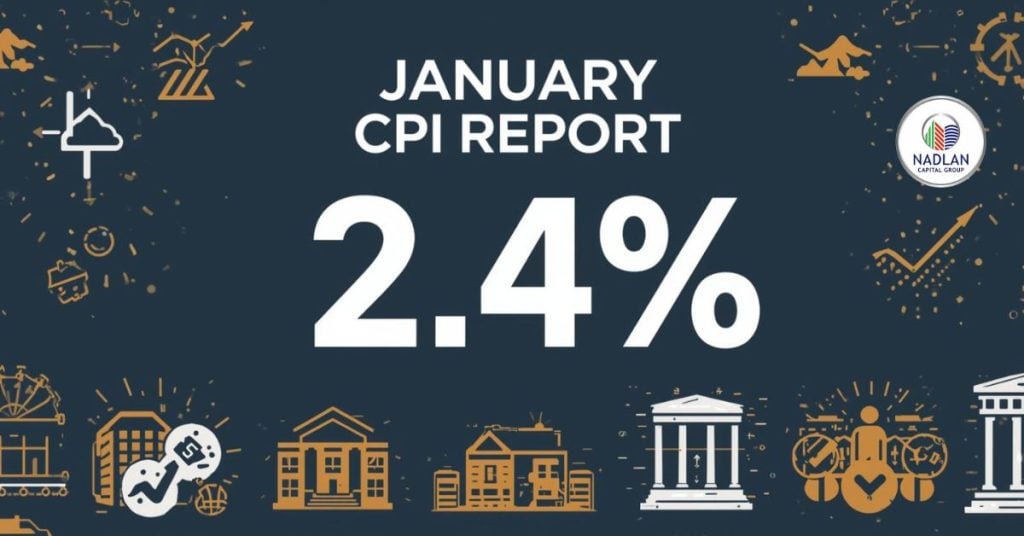
Inflation in the United States showed little change in February 2026, according to the latest data from the Bureau of Labor Statistics (BLS). The Consumer Price Index (CPI), a key measure of inflation, rose 0.3% for the month and remained at 2.4% on an annual basis.
While the reading suggests that inflation pressures are not accelerating significantly, price growth remains above the Federal Reserve’s long-term target of 2%, meaning policymakers may continue to move cautiously when considering interest rate decisions.
Economists say the latest data reflects a complex economic environment where inflation has slowed compared with previous years but still remains influenced by housing costs, food prices, and energy markets.
Monthly CPI Shows Slight Increase
The 0.3% monthly increase in consumer prices was slightly higher than January’s 0.2% gain but matched economists’ expectations.
The Consumer Price Index measures changes in the cost of everyday goods and services, including housing, food, transportation, and medical care. Because it tracks a wide range of consumer expenses, it is one of the most closely watched indicators of inflation.
The February report suggests that inflation pressures remain moderate but persistent across several parts of the economy.
Core Inflation Remains Stable
Economists often focus on core CPI, which excludes food and energy prices because they can fluctuate widely from month to month.
In February:
- Core CPI rose 0.2% compared with the previous month
- Core prices increased 2.5% compared with one year earlier
The monthly core inflation reading was slightly lower than January’s 0.3% increase, suggesting some gradual easing in underlying inflation pressures.
Even so, the annual core inflation rate continues to remain above the Federal Reserve’s target.
Food Prices Continue to Rise
Food costs remained one of the areas contributing to higher prices.
According to the BLS report:
- Food prices increased 0.4% in February
- Food prices rose 3.1% compared with the previous year
Breaking down the food categories:
- Food at home (groceries): up 0.4% for the month and 2.4% annually
- Food away from home (restaurants): up 0.3% for the month and 3.9% annually
For many households, especially lower-income families, rising food costs remain a major concern because groceries and dining represent a significant share of everyday spending.
Housing Costs Continue to Influence Inflation
Housing expenses continue to play a major role in overall inflation.
The shelter index increased 0.2% in February and rose 3% over the past year, making it one of the largest contributors to the monthly CPI increase.
Housing costs include rent, homeowner insurance, and other related expenses.
Insurance costs have also been rising steadily. Household insurance prices were nearly unchanged in February but have increased 6.2% over the past year.
Because housing costs make up a large portion of the CPI calculation, even modest increases in shelter prices can significantly influence overall inflation.
Household Goods and Appliance Prices
Prices for household items also showed mixed changes in the latest report.
- Household furnishings increased 0.2% in February and 3.9% over the past year
- Furniture and bedding prices were unchanged for the month but up 4.2% annually
- Appliance prices increased 3.1% in February and 2.9% year over year
These increases reflect ongoing supply chain adjustments and production costs that continue to affect consumer goods pricing.
Gas Prices and Global Events Could Influence Future Inflation
Economists say energy prices could play a major role in shaping inflation trends in the months ahead.
Rising geopolitical tensions have pushed gasoline prices higher, which may add upward pressure on overall inflation.
Some analysts believe the recent rise in fuel prices could slow the progress toward lower inflation.
Higher energy costs can influence multiple parts of the economy because transportation and shipping expenses affect the price of many goods and services.
Data Collection Issues Affecting Inflation Reports
Another factor affecting recent inflation reports is the disruption in federal data collection.
Economists note that inflation data from December 2025 through April 2026 may be affected by earlier government shutdown disruptions, which interrupted certain data gathering processes.
While the CPI report still provides a reliable overall picture of inflation trends, some analysts caution that certain details could be adjusted as data collection returns to normal.
Why Inflation Matters for Households
Inflation directly impacts the purchasing power of consumers.
When prices rise faster than wages, households may find it harder to afford basic goods and services. This is particularly challenging for lower-income families who spend a larger share of their income on necessities such as food, housing, and transportation.
Although inflation has slowed compared with the peaks seen earlier in the decade, many households are still adjusting to higher prices for everyday items.
What the Inflation Report Means for Interest Rates
The Federal Reserve closely monitors inflation data when making decisions about interest rates.
If inflation remains above the Fed’s 2% target, policymakers may delay rate cuts or keep interest rates higher for longer.
At the same time, if inflation continues to cool gradually, it could provide the central bank with more flexibility to adjust monetary policy.
However, rising energy prices and global economic uncertainty could complicate that outlook.
Outlook for Inflation in 2026
The latest US inflation February 2026 report shows that price growth has slowed compared with previous years but remains slightly above the Federal Reserve’s goal.
Looking ahead, several factors could influence inflation trends:
- Energy and oil prices
- Housing and rent costs
- Wage growth and labor market conditions
- Supply chain stability
- Global economic developments
For now, inflation appears to be moving gradually toward the Federal Reserve’s target, though the process may take time.
Economists expect inflation to continue easing slowly, but ongoing geopolitical events and economic conditions could affect how quickly prices stabilize in the coming months. For direct financing consultations or mortgage options for you visit 👉 Nadlan Capital Group.























Responses