
Job Openings Surge in April as Labor Demand Reaches Highest Level in Nearly Two Years

The U.S. labor market delivered a surprising signal of strength in April as job openings climbed sharply, reaching their highest level in nearly two years. At the same time, hiring activity slowed, highlighting a labor market that continues to face an unusual mix of strong demand and cautious employer behavior.
According to the latest Job Openings and Labor Turnover Survey (JOLTS), employers posted 7.6 million available positions in April, significantly exceeding expectations and marking the strongest reading since May 2024.
The increase suggests that businesses continue searching for workers despite economic uncertainty, elevated inflation, and concerns about future growth.
Job Openings Rise Well Above Expectations
Available jobs increased by 731,000 from the previous month, far exceeding economists’ forecasts.
Many analysts had expected openings to remain closer to 6.8 million, making April’s report one of the largest upside surprises in recent months.
The rise pushed total job openings above the number of unemployed workers, indicating that labor demand remains relatively healthy despite higher borrowing costs and slowing economic growth.
The job openings rate increased to 4.6% of the labor force, reflecting stronger employer demand for workers across several sectors.
Professional Services Lead the Growth
The majority of new openings came from the professional and business services sector.
Employers in this category added approximately 668,000 open positions during April, accounting for most of the national increase.
Many economists believe growing investment in technology, automation, and artificial intelligence may be contributing to stronger hiring needs in professional services.
Healthcare and social assistance also remained a major source of labor demand, adding roughly 89,000 openings during the month.
Meanwhile, financial activities experienced a decline in available positions, while most other sectors showed relatively limited movement.
Hiring Activity Moves in the Opposite Direction
Although job openings increased substantially, actual hiring moved lower.
Employers hired approximately 5.12 million workers during April, a decline of 419,000 from March.
The hiring rate fell to 3.2%, suggesting that businesses are becoming more selective when filling positions despite advertising more jobs.
This disconnect between job openings and hiring has become an increasingly common feature of the labor market over the past year.
Many companies continue posting positions while delaying final hiring decisions due to economic uncertainty and rising operating costs.
Layoffs Remain Low
Despite slower hiring, layoffs remain relatively limited.
Layoffs and discharges fell slightly to 1.7 million during April, indicating that employers are still reluctant to reduce headcount significantly.
The data continues to support the view that businesses are holding onto workers even as growth slows.
Many employers experienced labor shortages during recent years and may be hesitant to cut staffing levels aggressively for fear of facing recruitment challenges again when economic conditions improve.
Worker Confidence Softens
One area of concern within the report was the decline in voluntary quits.
The number of workers leaving jobs voluntarily fell below 3 million, reaching its lowest level since August 2020.
The quits rate is often viewed as a measure of worker confidence because employees are generally more willing to leave a position when they believe better opportunities are readily available.
The decline suggests that workers may be becoming more cautious about changing jobs amid ongoing economic uncertainty.
A Low-Hire, Low-Fire Labor Market
The April report reinforces a pattern that has defined much of the labor market since early 2025.
Economists frequently describe current conditions as a “low-hire, low-fire” environment.
Employers are not hiring aggressively, but they also are not conducting widespread layoffs.
As a result, the unemployment rate has remained relatively stable near 4.3%, while jobless claims have stayed historically low.
This balance has helped support overall labor market stability despite broader economic challenges.
Economic Uncertainty Still a Risk
While the labor market remains resilient, several risks continue to cloud the outlook.
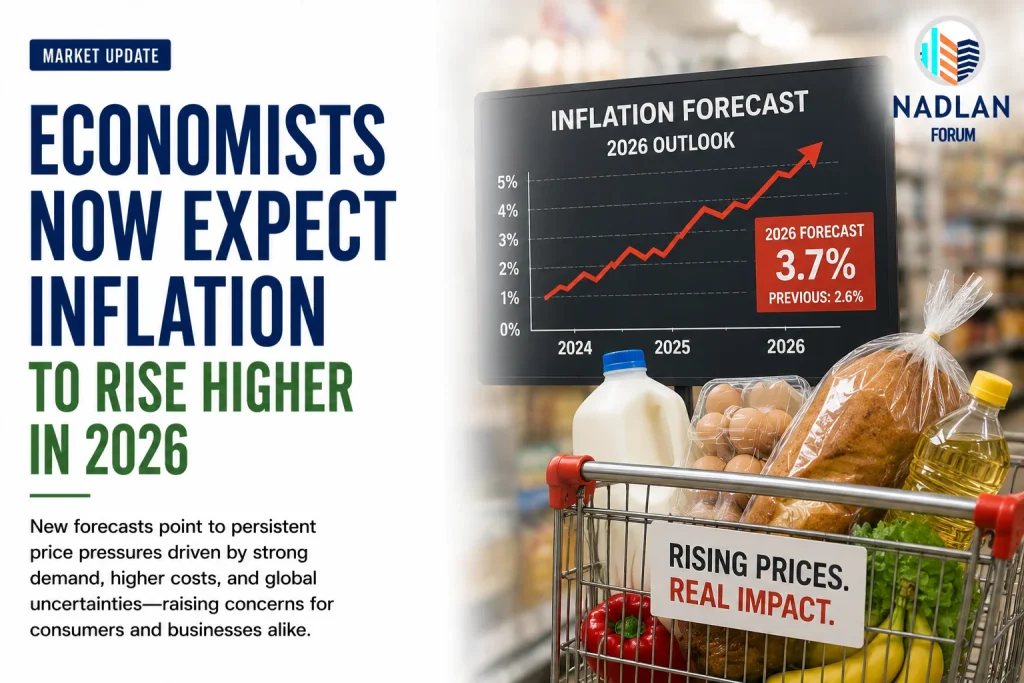
Businesses are navigating persistent inflation pressures, elevated energy costs, geopolitical tensions, and uncertainty regarding future economic growth.
These factors could eventually influence hiring decisions if corporate confidence weakens further.
Some economists believe ongoing global tensions and slowing consumer spending could lead employers to become more cautious during the second half of 2026.
However, current data does not yet suggest a significant deterioration in labor conditions.
Federal Reserve Watching Labor Trends Closely
Labor market data remains an important factor for Federal Reserve policymakers.
Throughout much of last year, Federal Reserve officials focused heavily on signs of labor market weakness. More recently, attention has shifted toward inflation concerns and rising energy prices.
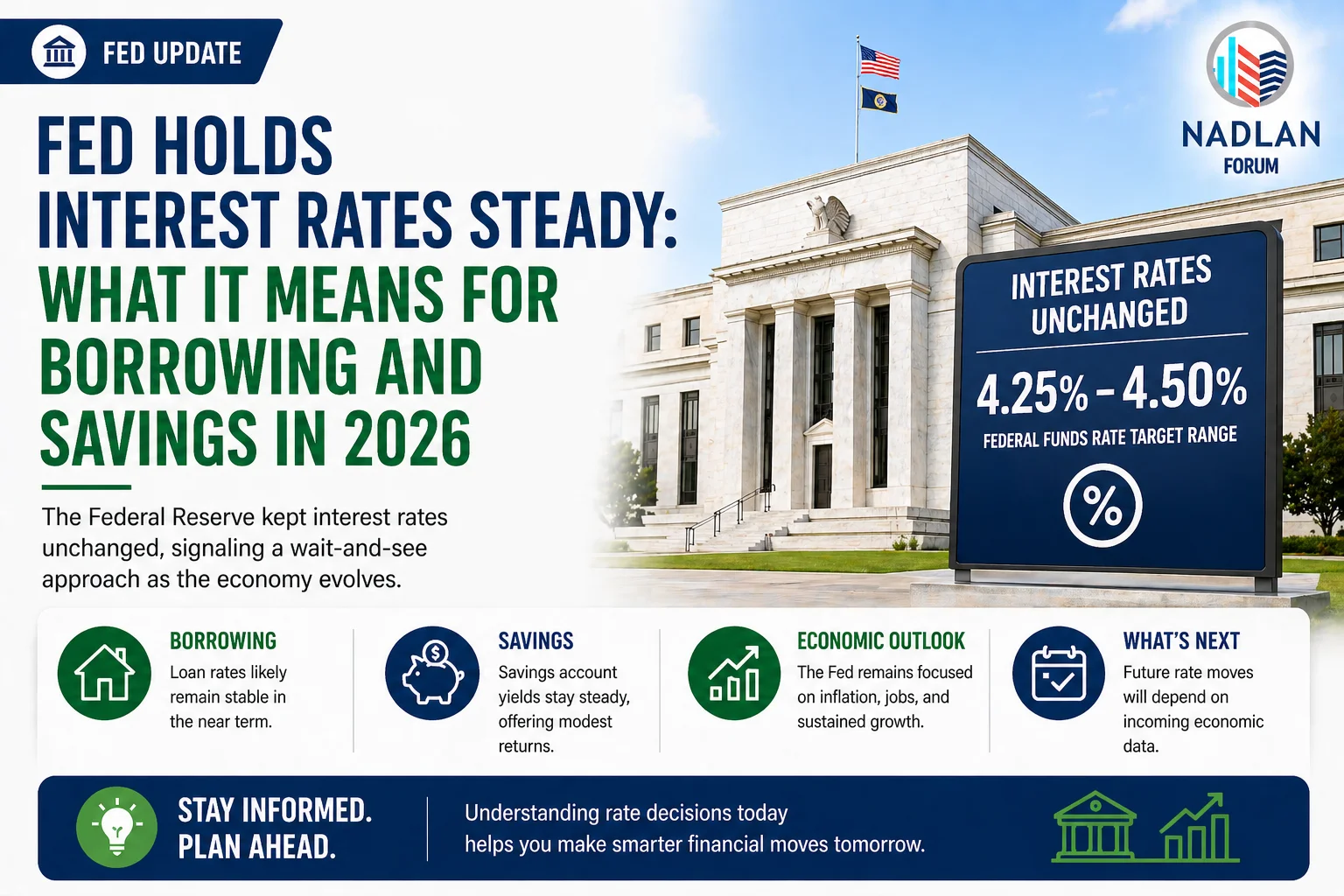
Strong job openings data may reinforce the view that the labor market remains resilient enough for policymakers to maintain current interest rate levels.
Most analysts expect the Federal Reserve to leave rates unchanged at its upcoming meeting while continuing to monitor inflation and employment trends.
What the April Data Means
The April labor market report presents a mixed but generally positive picture.
On one hand, job openings surged to their highest level in nearly two years, demonstrating that demand for workers remains strong.
On the other hand, slower hiring and declining worker mobility suggest that both employers and employees are becoming more cautious.
The result is a labor market that remains stable but is no longer expanding at the rapid pace seen during the post-pandemic recovery.
As the economy moves through the second half of 2026, labor market performance will remain one of the most closely watched indicators for businesses, investors, policymakers, and consumers alike.
For now, the data suggests that demand for workers continues to exceed supply, even as employers become increasingly careful about how quickly they expand their workforce. For direct financing consultations or mortgage options for you visit 👉 Nadlan Capital Group.




















Responses